-
Repair in Practice: Shared Challenges & Shared Solutions. An Online Peer Learning Series
As part of Reuse & Repair Week 2026, CRNI is hosting Repair in Practice: Shared Challenges & Shared Solutions, a three-part online peer learning series bringing together repair initiatives from across the island of Ireland. Facilitated by CRNI members The... -
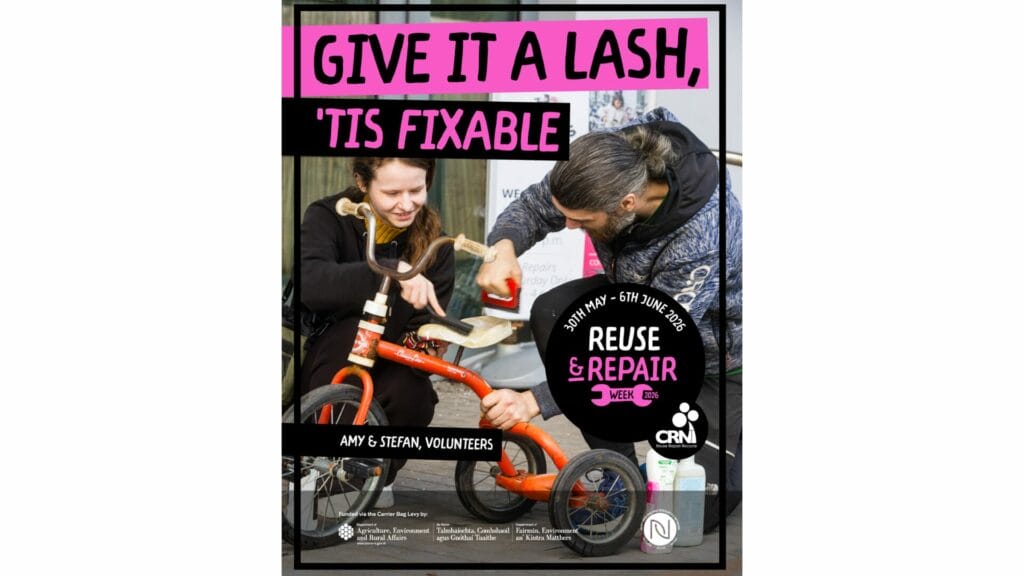
Upcoming Events Reuse & Repair Week 2026
Reuse & Repair Week 2026 will showcase a wide range of community-led activities taking place across the island of Ireland from May 30th – June 6th. From repair cafés and bike maintenance to clothing swaps and DIY workshops, CRNI members... -
CRNI welcomes the publication of the National Policy Statement and Roadmap on Circular Textiles
Community Resources Network Ireland (CRNI) welcomes the publication of the National Policy Statement and Roadmap on Circular Textiles 2026–2028, an important milestone in setting a clear national direction for reducing textile waste and building a more sustainable and circular textiles... -

Community Resources Network Ireland (CRNI) is delighted to announce the appointment of Dr Clodagh O’Reilly as its new Chairperson
CRNI is the national representative body for community-based social enterprises active in reuse, repair and recycling. Representing a growing network of circular social enterprises, CRNI works to ensure the sector’s contribution is recognised in national policy and that circular social... -
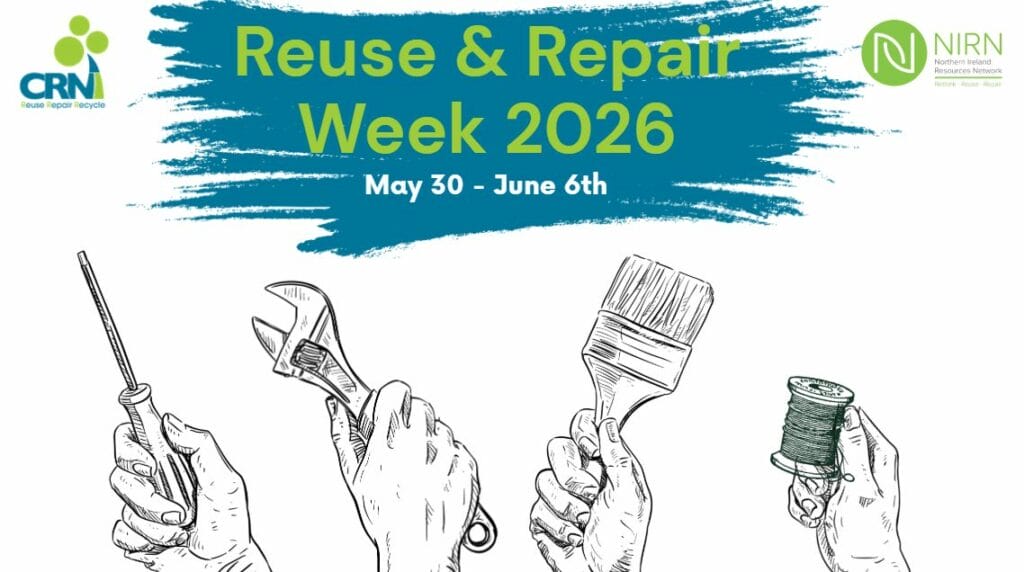
Reuse and Repair Week Saturday 30 May to Saturday 6 June 2026
Community Resources Network Ireland (CRNI) and our sister organisation Northern Ireland Resources Network (NIRN) are proud to co-host the inaugural Reuse and Repair Week from 30 May to 6 June 2026. This is a Shared Island celebration of reuse and... -

CRNI welcomes the publication of the Whole of Government Circular Economy Strategy 2026–2028.
As the national representative body for community-based social enterprises active in reuse, repair and recycling, CRNI welcomes the newly published Accelerating Action strategy. We are encouraged by its clear commitment to supporting Ireland’s transition to a more circular economy. We particularly... -
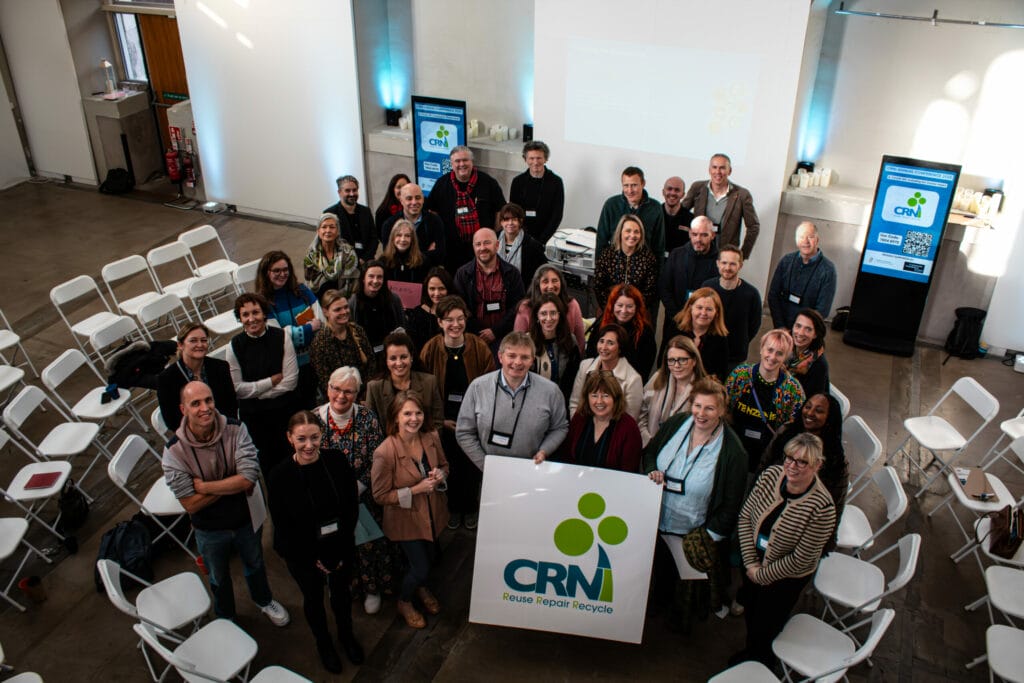
CRNI Annual Conference 2025. A Circular 360: Evaluating Our Circular Impact
CRNI Annual Conference 2025. A Circular 360: Evaluating Our Circular Impact CRNI recently brought together members, partners and stakeholders from across Ireland for our Annual Conference under the theme “A Circular 360: Evaluating Our Circular Impact.” The day offered a... -

Come work for us! CRNI Network Manager
Job Opportunity: Network Manager at Community Resources Network Ireland (CRNI) CRNI is seeking a dynamic and proactive Network Manager to drive the growth and impact of our network during an exciting phase of growth at the organisation. The ideal candidate... -
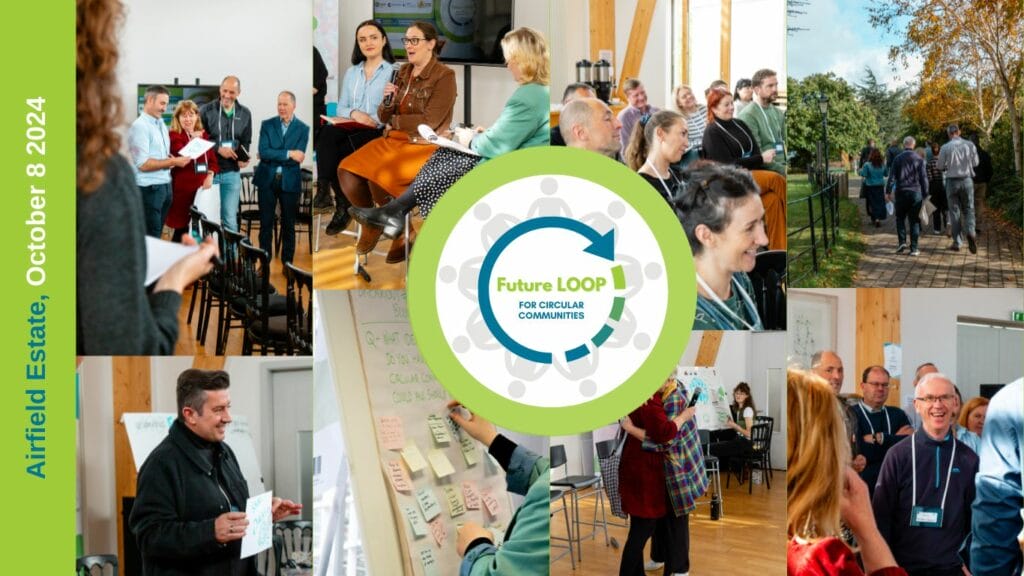
The Future LOOP: CRNI member conference 2024
Sincere thanks to everyone who attended this year’s CRNI member conference, Future Loop for Circular Communities. The conference was a uniquely valuable opportunity to hear from a range of voices involved in reuse, repair and recycling activities in our communities. ... -

CRNI Member News Round Up: August #2
Green Bubble: Diverting 10,000 Square Meters of Bubble Wrap from Waste! Green Bubble, in collaboration with Sunflower Recycling, has reached an impressive milestone: diverting over 10,000 square meters of bubble wrap away from incineration and export. This achievement is equivalent... -
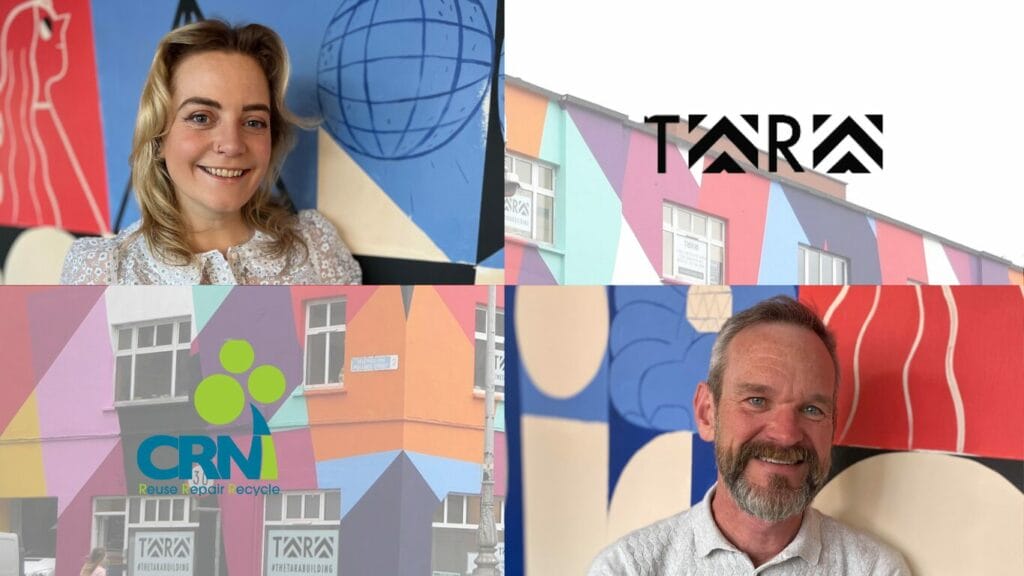
Reflections from our residency: The Tara Building supporting CRNI
You may know that the CRNI team has been based in various spaces over the years to facilitate our nationwide network. Our current home is the wonderful Tara Building, a beautiful, bright coworking space in Dublin city centre. We were... -

CRNI Member News Round Up: August #1
CRNI Member News Round Up #August 1- August 16 Welcome to our bi-weekly ‘CRNI Member News’ roundup, where we celebrate the incredible work happening across our network of community-based organisations dedicated to reuse, repair, and recycling activities all around Ireland. ... -

Embracing the Circular Economy in Ireland: The Role of Social Enterprises
On June 18 CRNI had the opportunity to present to the Oireachtas Joint Committee on Environment and Climate Action about the vital role social enterprises play in promoting the circular economy, especially in relation to consumer durables. We were joined... -
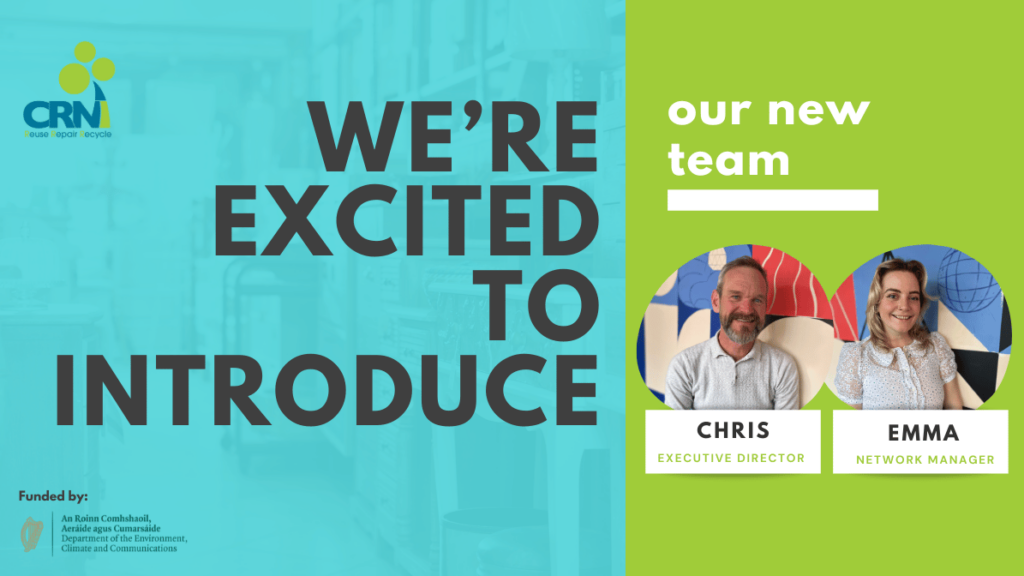
We’re excited to introduce our new CRNI team!
In March 2024, CRNI secured a funding grant from the Department of the Environment, Climate and Communications, that triggered a transformation of our organisational structure, enabling a more strategic and purposeful structural approach to the ever growing demand of CRNI’s work. Following a competitive... The two new roles at CRNI will work to deliver enhanced, consistent and meaningful support for members and the sector; collectively advocating for members and for the first time, a dedicated resource responsible for member networking & events! At... With these new appointments and the recent funding grant, CRNI is ready to push its mission with new energy. Chris and Emma bring valuable experience and skills that will advance innovative projects, improve advocacy, and develop our member supports and... -
We’re hiring! Executive Director & Network Manager
As a result of CRNI recently being successful in securing a funding grant from the Department of the Environment, Climate and Communications, the organisation is hiring for two new full-time roles to commence this new chapter for the organisation. The... -
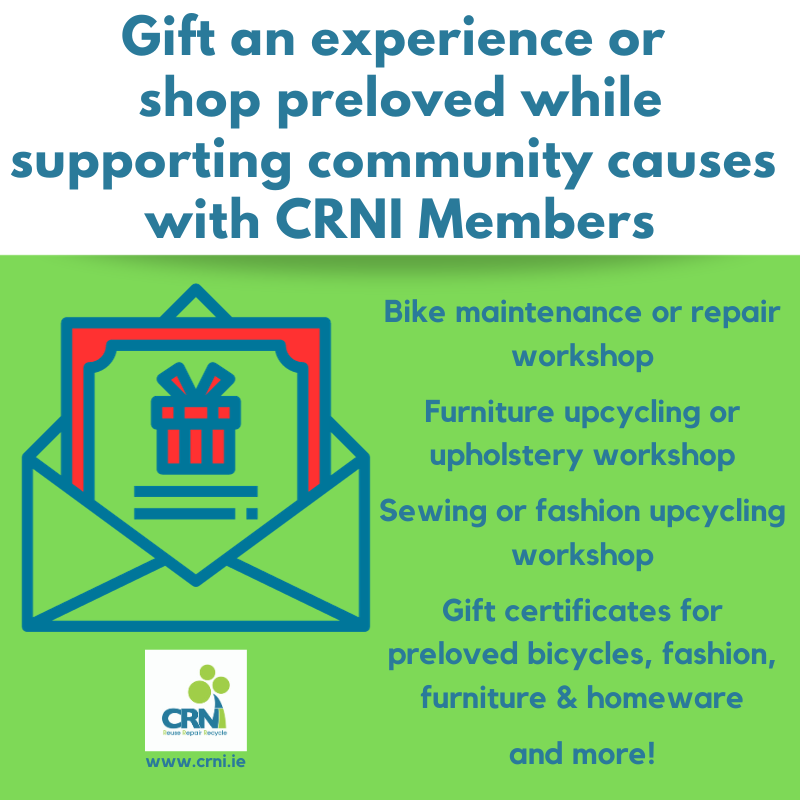
Gift an experience or shop preloved while supporting community causes with CRNI members
CRNI members offer the following experiences and preloved gifts & more at our 24/7 Virtual Green + Social Trade Fair here. Bike maintenance or repair workshop Furniture upcycling or upholstery workshop Sewing or fashion upcycling workshop Gift certificates for preloved... -
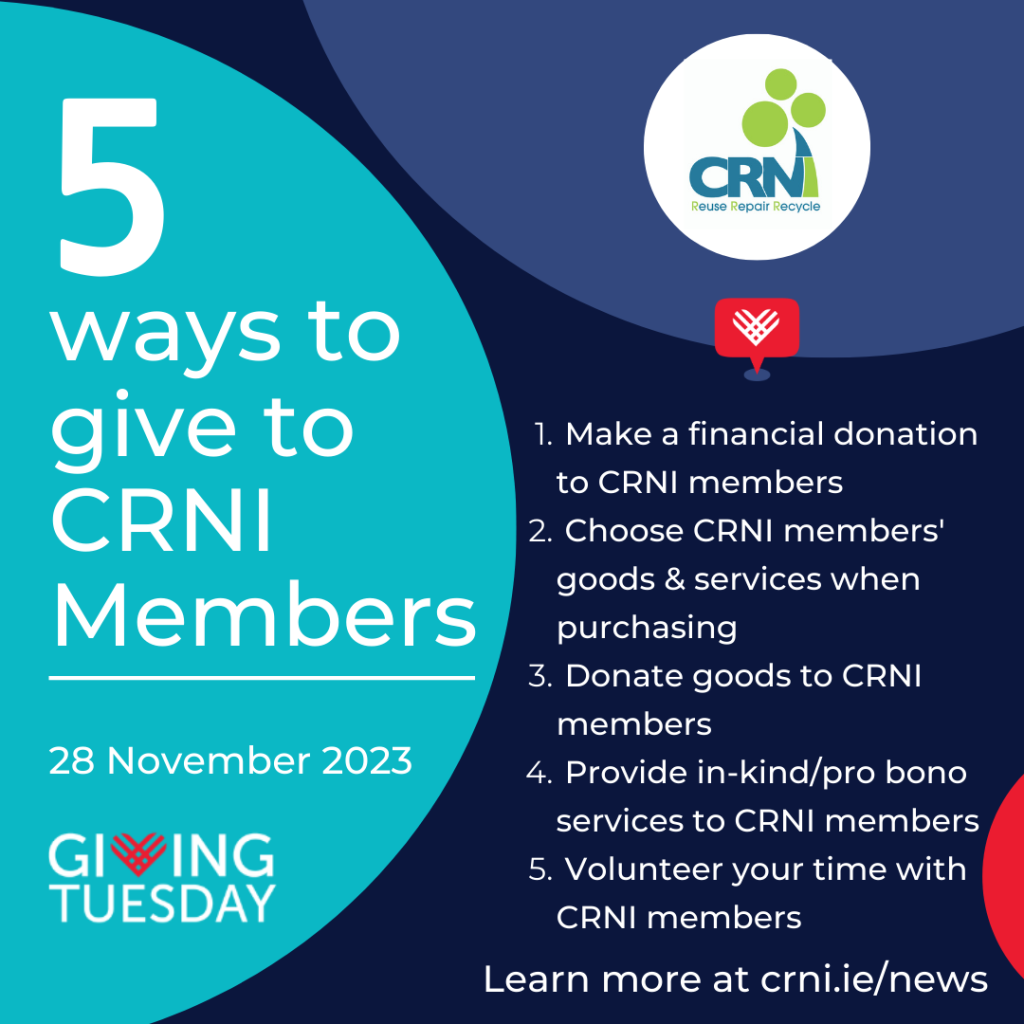
5 Ways to Give to CRNI Members this Giving Tuesday
It’s Giving Tuesday, a day to reimagine a world built upon shared humanity and generosity. Here are 5 ways to support our community reuse, repair, recycling, circular economy, social enterprise & charity members. Make a financial donation to CRNI members... -

It’s Second Hand September!
Second Hand September About Second Hand September This is Second Hand September’s fifth year in Ireland, and it promises to be more fabulous than ever! Taking part in Second Hand September is a powerful way of recycling and buying stylish... -

We’re hiring! Part-time Finance & Administration Officer
Looking to join an organisation that’s supporting the growth of the circular economy in Ireland? Play a part in growing community-led reuse, repair and recycling all across Ireland by bringing your skills and experience to CRNI. We’re looking for a... -
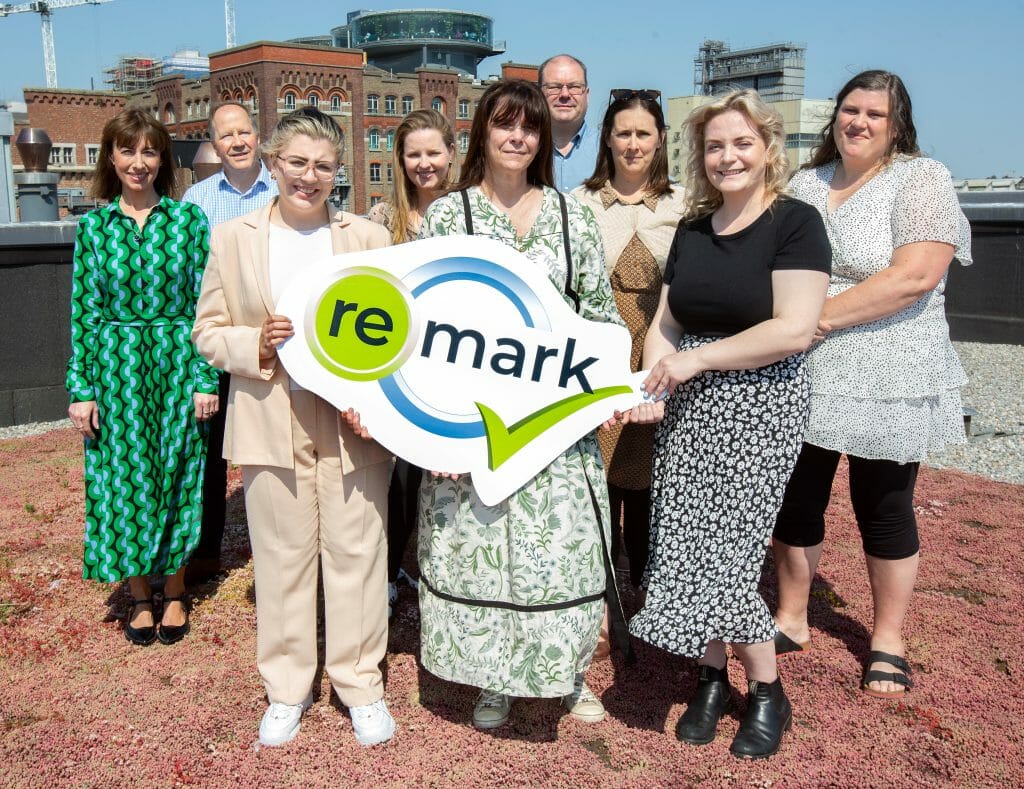
Seven network members accredited with Remark Quality Mark
Wednesday, 14th June 2023 – CRNI (Community Resources Network Ireland), the representative body for community based reuse, repair and recycling organisations in Ireland, today awarded the ReMark Quality Mark to seven organisations across the country for their outstanding commitment to sustainability and... -

CRNI welcomes new National Network Executive, Emma Kavanagh
CRNI is delighted to welcome our new National Network Executive, Emma Kavanagh. Emma is a passionate storyteller with a keen interest in communicating social impact in dynamic, accessible and meaningful ways. She has dedicated her career to the non-profit sector... -

We’re Hiring! Network Executive
We’re hiring a National Executive! Please see the role description here. Apply by Friday 2nd December at 5pm -
CRNI Newsletter No.4 2022
Read all the latest reuse, repair, recycling news in our latest newsletter here. -
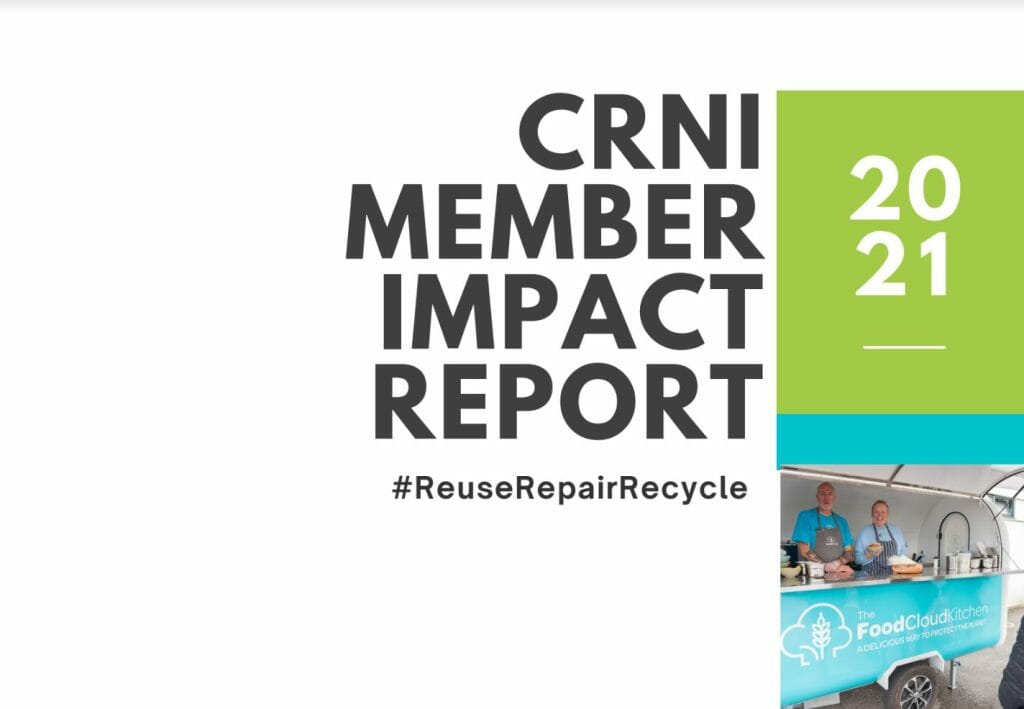
CRNI Member Impact Report 2021
We’ve launched our 2021 Member Impact Report! We’re thrilled that you want to learn more about our growing network of members who work in community based reuse, repair and recycling across Ireland. Their important work in building a more Circular... -
Introducing the ReMark Quality Mark
To celebrate Reuse Month and World Standards Day, we are delighted to introduce you to ReMark by CRNI. ReMark is a quality mark for the reuse sector in Ireland and Northern Ireland. It aims to strengthen consumer confidence in pre... -
Cut VAT for the Circular Economy
In December 2021, the European Council came to an Agreement on updated rules for VAT rates. According to the Agreement, if social enterprises active in reuse, repair and recycling can identify themselves as ‘organisations engaged in welfare or social security... -
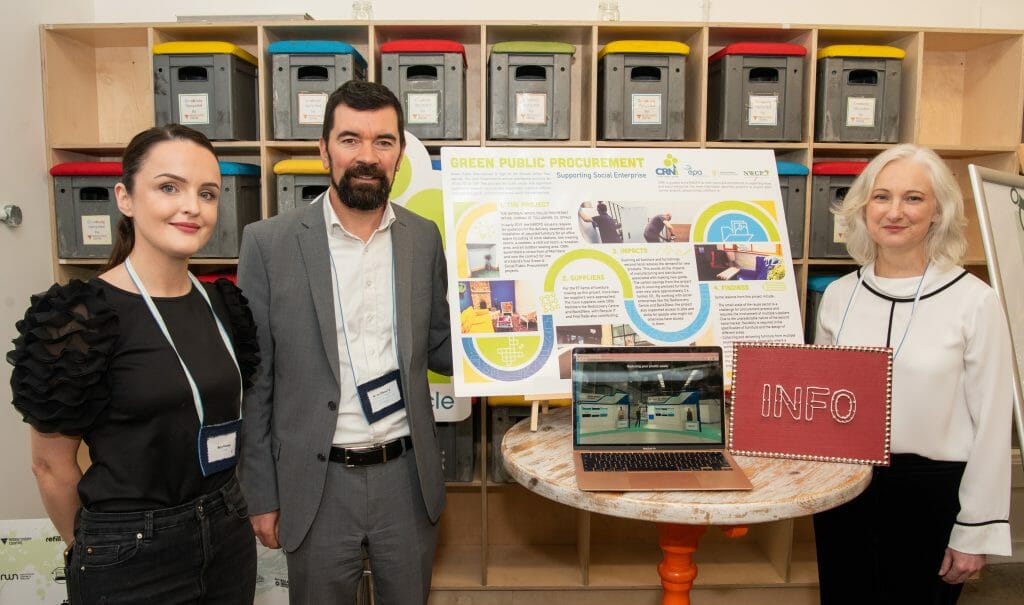
Innovative Virtual Trade Fair makes Green & Social procurement easier
A new Green & Social Virtual Trade Fair has been launched by Community Resources Network Ireland (CRNI), with support of the Regional Waste Management Plan Offices. This innovative virtual platform will be open 24/7 and give visitors the opportunity... -
Commission proposes EU-wide repair index for phones and tablets, marks end of ‘era of disposable devices’
In late August, the European Commission has published draft proposals for ecodesign and energy labelling regulations on smartphones and tablets. If agreed, they will establish a repair index and the first-ever EU-wide energy label for these devices. Read an... -
-

CRNI Member News August 2022
Kingdom Furniture Revamp had a visit from Minister Joe O’Brien and a wonderful endorsement in the KerryMan. Read it here. Creative Ireland Laois in collaboration with Recreate Ireland are seeking eight creative practitioners from Laois to participate in a new... -
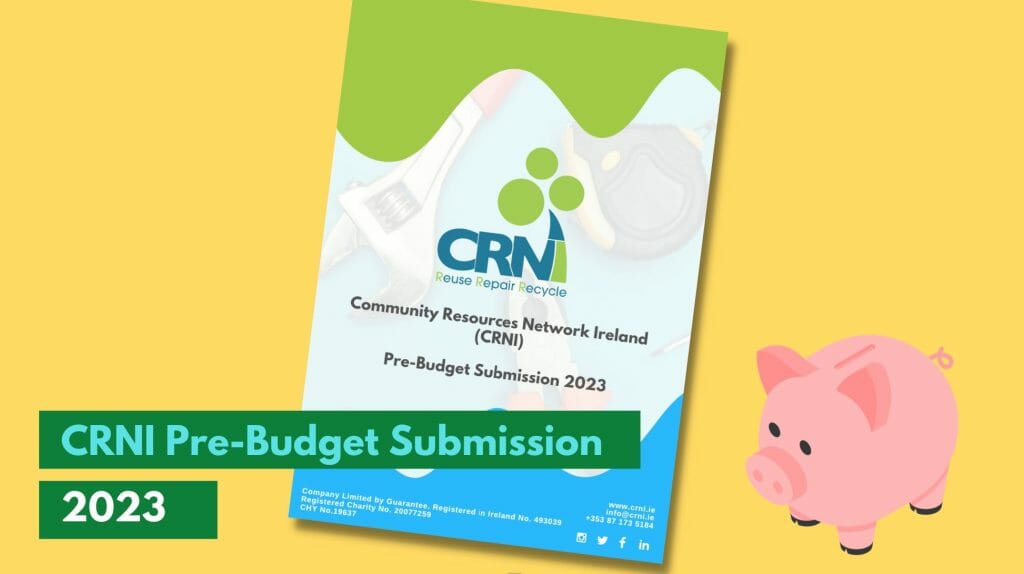
CRNI Pre-Budget Submission 2023
CRNI’s Pre-Budget Submission 2023 aims to encourage the implementation of a more circular economy in Ireland through: A) Supporting and bolstering CRNI members working in reuse, repair and recycling at community level across Ireland. B) Mainstreaming the circular economy in... -
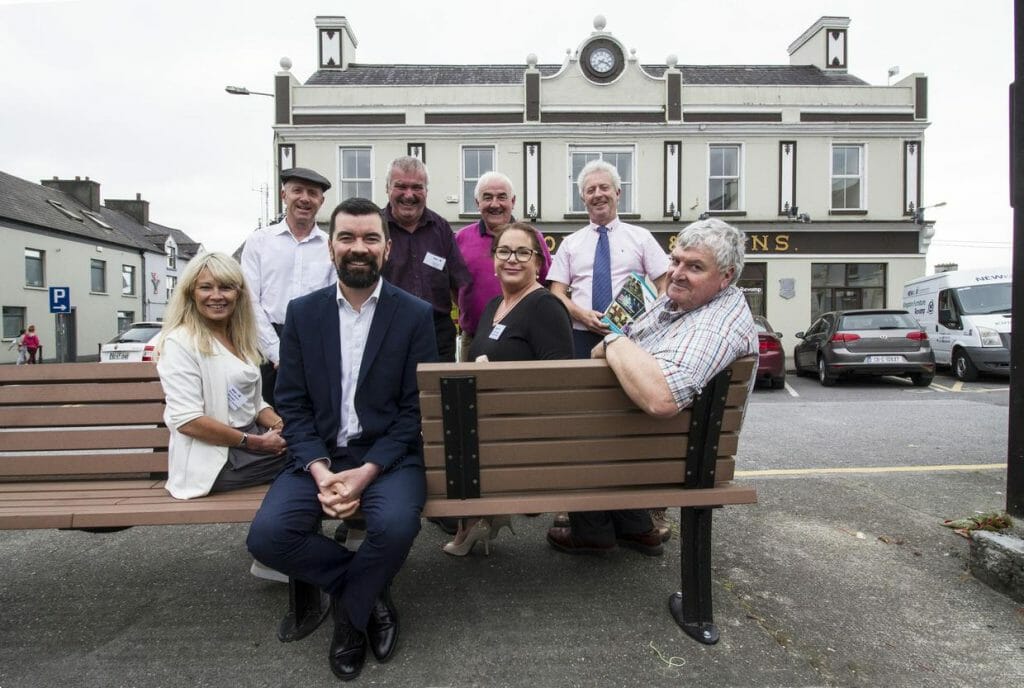
Minister: Kerry Revamp project should roll out nationally
North, East and West Kerry Development (NEWKD) welcomed Minister of State at the Department of Rural and Community Development Joe O’Brien,TD to their Revamp Furniture Shop on Castleisland’s Lower Main Street on Tuesday. The shop is operated under a Community... -
CRNI Newsletter No.3 2022
Read all the latest reuse, repair, recycling news in our latest newsletter here. -
Circular Economy Act Signed into Law!
The Circular Economy Act has been signed into law! This is just the beginning of a transition to an Ireland where everybody benefits from the environmental, social, and economic benefits of all reusable resources. What does the Act do, though?... -
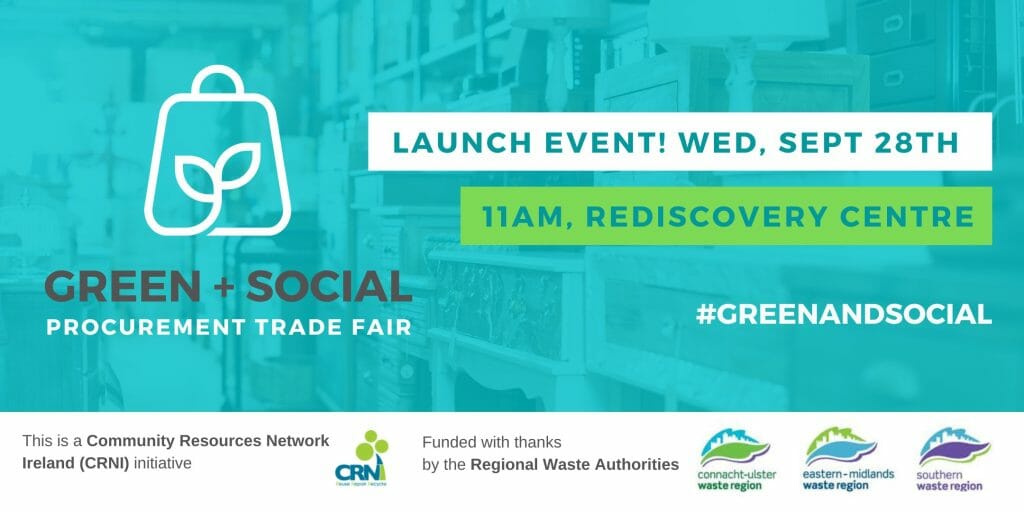
Join us for the launch of our Virtual Green + Social Procurement Trade Fair!
Join CRNI + our reuse, repair and recycling members for the launch of our Virtual Green + Social Procurement Trade fair on September 28th at The Rediscovery Centre, Dublin. This new virtual platform will be open 24/7 and give... -

The Paint Reuse Network is giving away UP TO 100L of reused paint!
Colour to Communities, a competition run by Paint Reuse Network at The Rediscovery Centre, is giving away UP TO 100L of reused paint for your painting project! Visit here to submit your proposal -
New CRNI Report: ‘Improving Mattress Recycling’
End of life mattresses are a complex and bulky product which have traditionally been managed within a linear economy model. We’re delighted to be able to to share findings from our mattress research carried out as part of CRNI’s 2021 partnership... -

We’re hiring! Part-time Administration Manager
Looking to join an organisation that’s supporting the growth of the circular economy in Ireland? We’re looking for a part-time Administration Manager (2 days a week) to join our team! Learn more about the role here and apply by sending... -
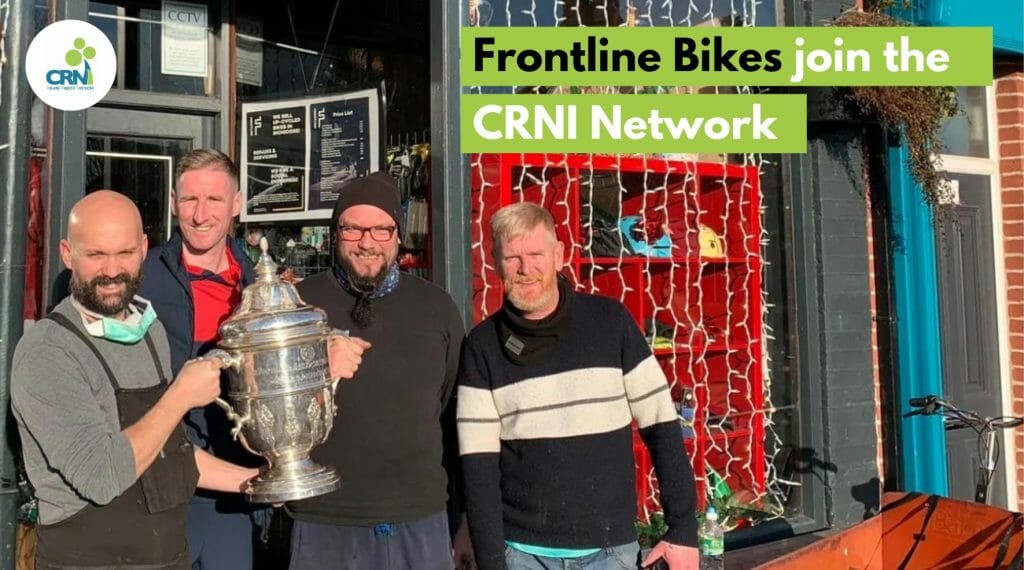
Frontline Bikes join the CRNI network!
We’re buzzing to have Frontline Make Change Bikes join our growing network of community based reuse, repair and recycling organisations. Frontline is a local bike shop in Inchicore, Dublin with a social a mission. All of their bikes are used, renovated and... -
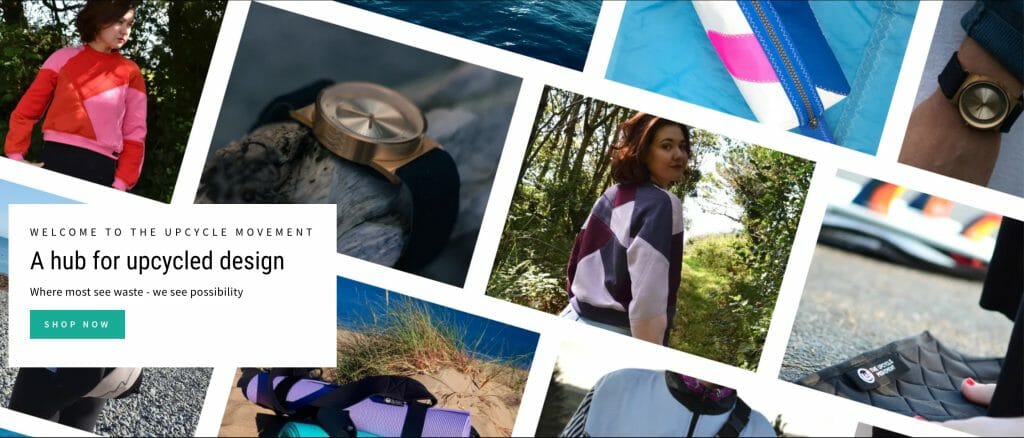
The Upcycle Movement chosen to participate in the first professional training programme to promote sustainability in textile industry
Twelve Irish textile companies (including CRNI Member The Upcycle Movement) have been chosen to participate in the first professional training programme to promote sustainability in their industry. The Creative Futures Academy at National College of Art & Design (NCAD) and... -
EPA launches ‘Green Enterprise’ funding programme worth €650,000
The Environmental Protection Agency have launched the 2022 round of funding for their Green Enterprise ‘Innovation for a Circular Economy’ programme. The EPA’s Green Enterprise: Innovation for a Circular Economy is an annual funding call to support innovators in Ireland... -
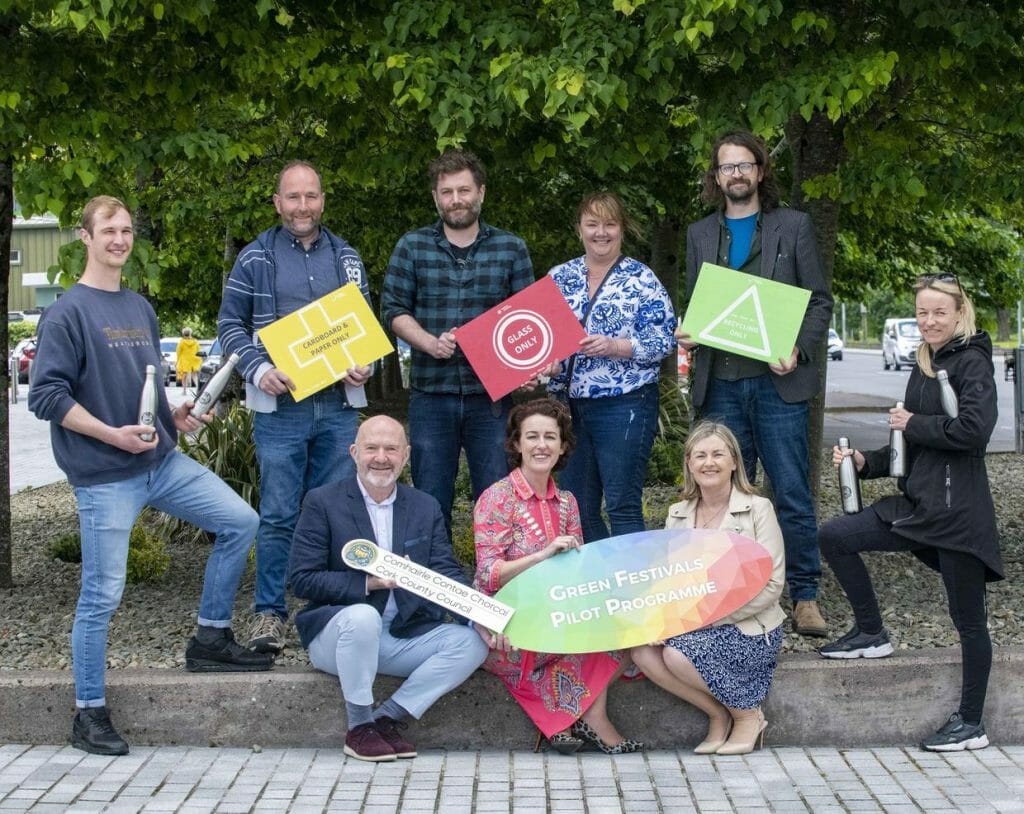
Native Events launch Green Festival pilot scheme in Cork
FESTIVALS from throughout the county are to participate in a new pilot scheme which has as its aim to make the events as sustainable and environmentally friendly as possible. Included in the pilot scheme are the Youghal Medieval Festival, the... -
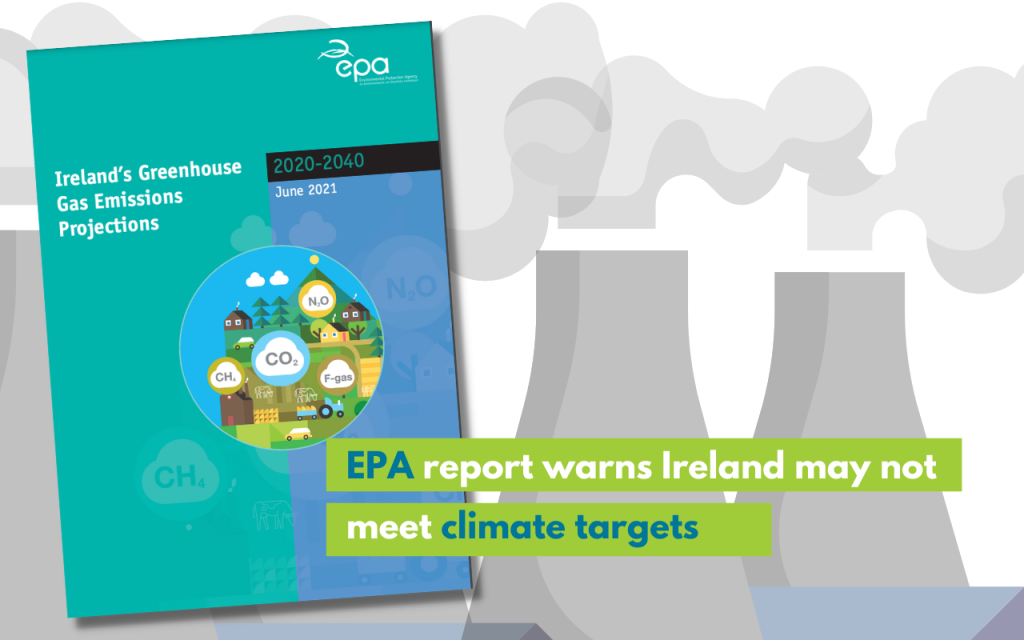
EPA report warns Ireland may not meet climate targets
In a report released today, the Environmental Protection Agency (EPA) Ireland have warned that Ireland is unlikely to meet climate targets. Read the report in full here >> https://bit.ly/3GFT98I According to the Irish Times: “In its latest projections on greenhouse gas emissions... -
CRNI Newsletter No.2 2022
Read all the latest reuse, repair, recycling news in our latest newsletter here. -
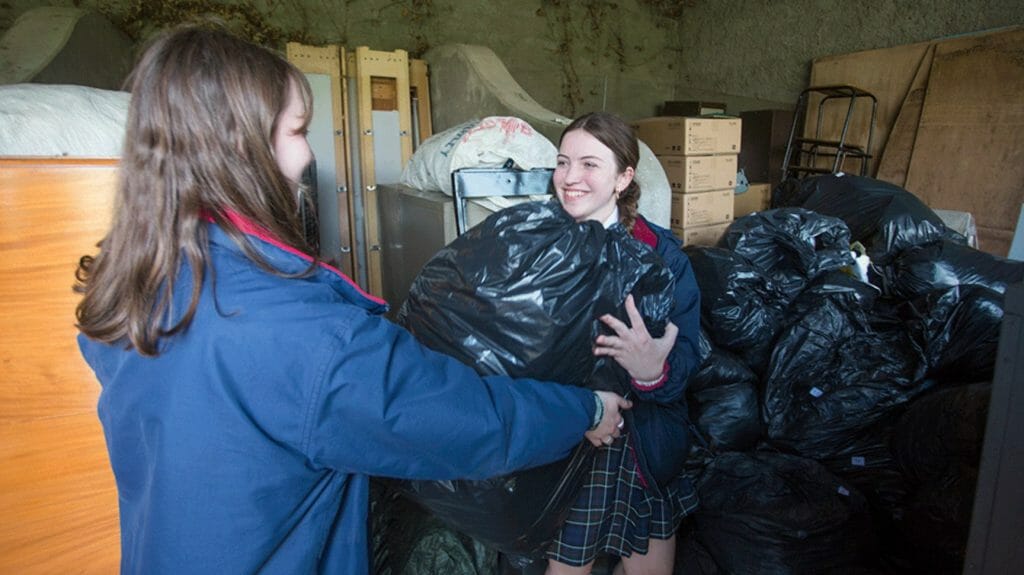
100 bags of clothing & home textiles collected for circular textiles project
St. Mary’s College students along with Community Resources Network Ireland (CRNI) greeted the many Arklow community members who donated preloved clothing and home textiles on Wednesday, 25 May. The 100 bags collected and weighed by the students on the day will benefit SVP... -
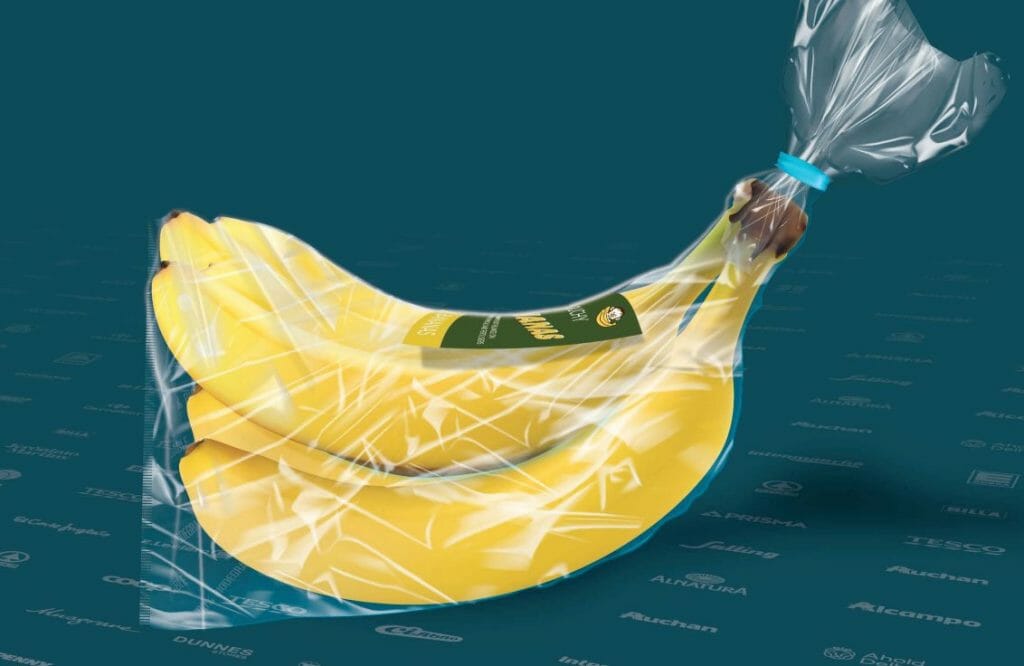
New report on supermarkets and the plastics crisis
RETAIL giants across Europe are promoting false solutions to the plastic pollution crisis and perpetuating double standards, a new report finds. The first-ever analysis of the role European supermarkets play in addressing plastic pollution, “Under wraps? What Europe’s supermarkets aren’t... -
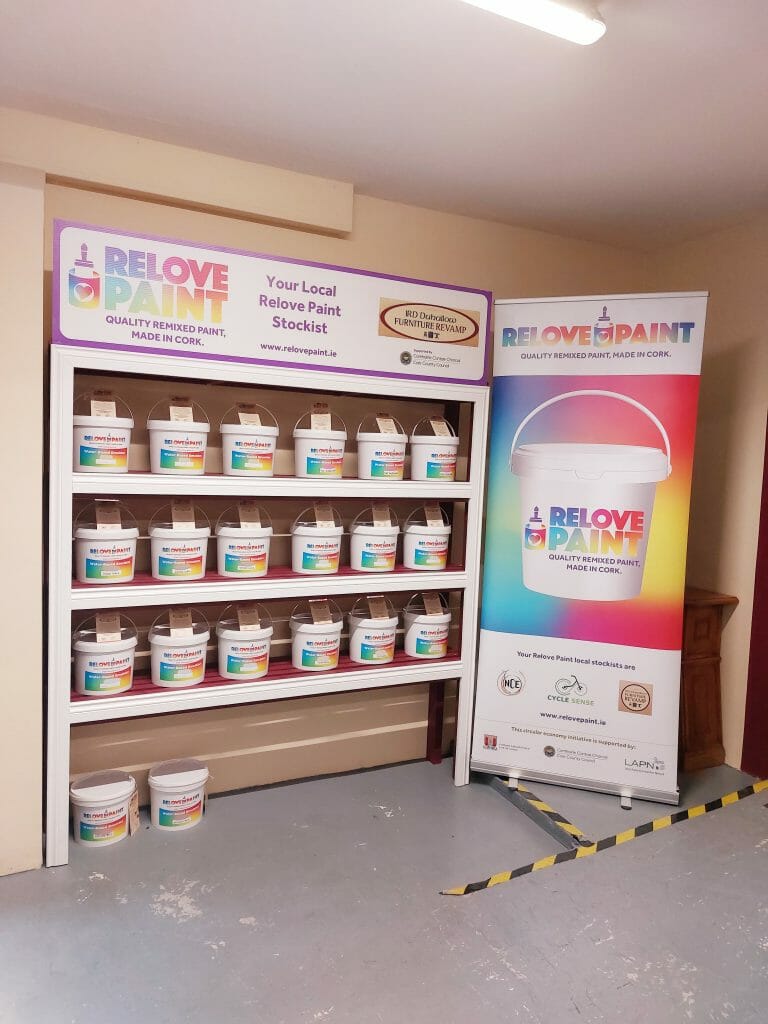
IRD Duhallow launch reused paint sales!
IRD Duhallow’s new paint recycling project in conjunction with Cork County Council is now up and running and for sale in their IRD Duhallow Furniture Revamp retail area, as Relove Paint! Relove paint is a quality, water based remixed emulsion... -

Letter to Minister Sean Fleming: Insurance reform to enable a more circular economy
Mr. Sean Fleming TD Minister of State at the Department of Finance with responsibility for Financial Services, Credit Unions and Insurance Silveracre Castletown Portlaoise Co Laois Mary Fleming National Executive Community Resources Network Ireland Basement 10 North Great George’s... -
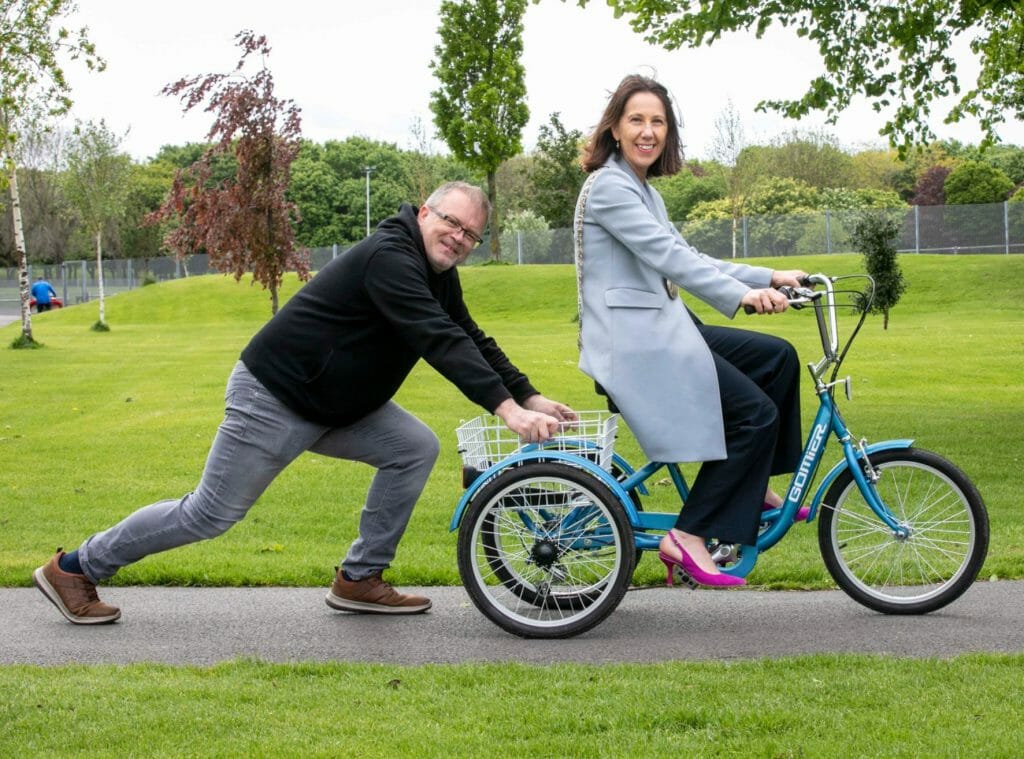
The Bike Hub launch pilot scheme in Dublin 12
Yesterday, The Lord Mayor of Dublin Dr. Alison Gilliland launched Dublin City Council’s ‘Bike Week 2022’ with the special announcement of a new pilot hub from CRNI Members The Bike Hub in Eamonn Ceannt Park, Crumlin. The collaboration with Cycling Without Age Ireland will... -
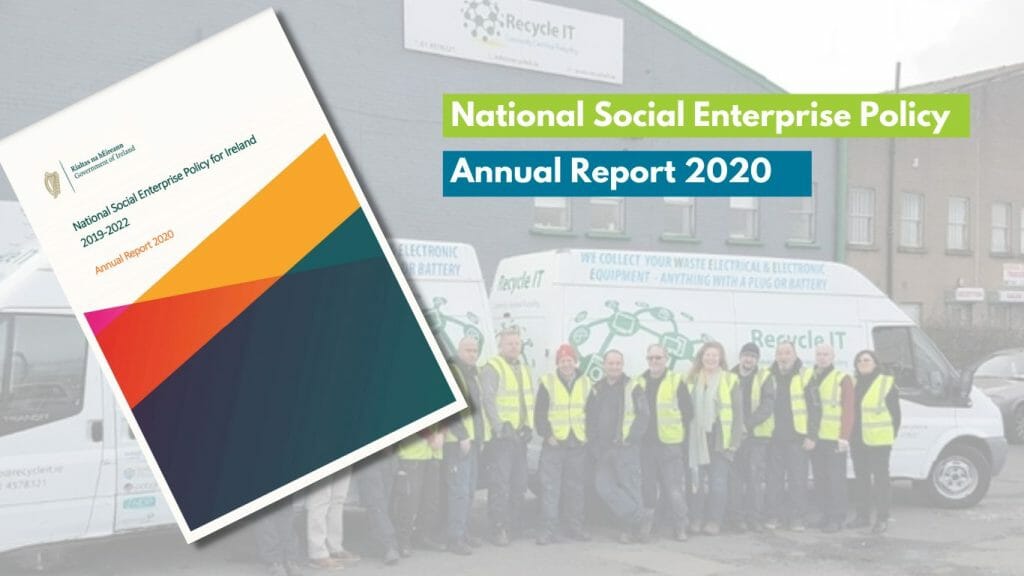
National Social Enterprise Policy Annual Report 2020
A report and review of Ireland’s first social enterprise policy has been launched by the department of Rural & Community Development. Read the ‘National Social Enterprise Policy 2019-2022’ Annual Report 20202 in full here. -
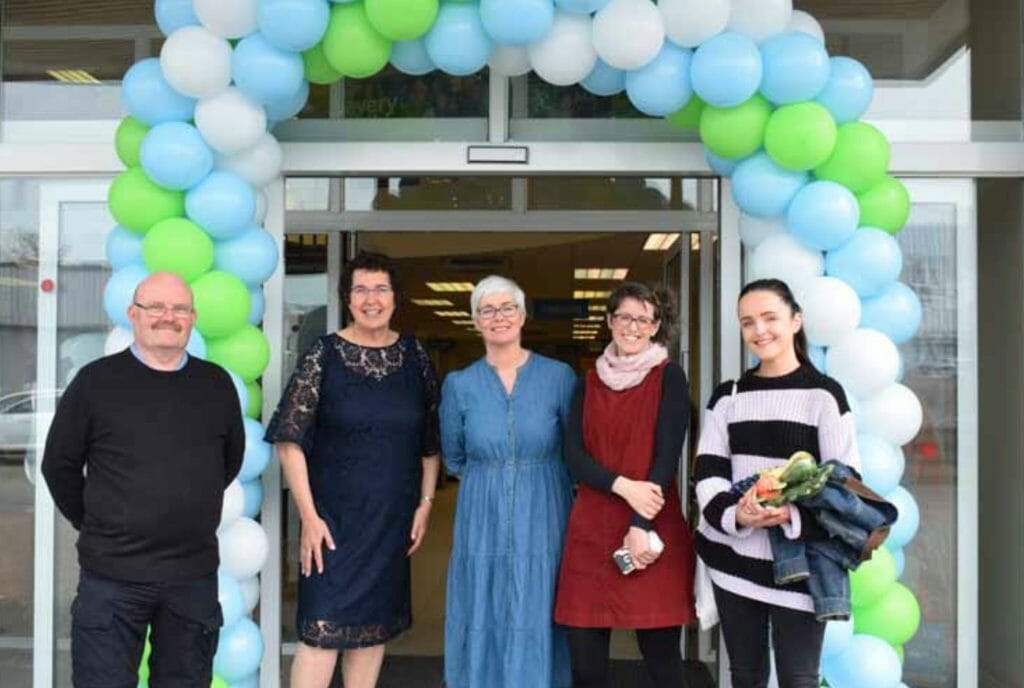
Habitat ReStore launches in Drogheda
In April, Habitat for Humanity officially launched its social enterprise ‘Habitat ReStore’ in Drogheda, bringing together staff, volunteers and local people to celebrate. Learn more by checking out the full article in Drogheda Life. -

CRNI welcome’s new member – Cork Urban Soil Project!
CRNI is delighted, excited, and many other positive adjectives to welcome the Cork Urban Soil Project (CUSP) aboard as a full member of our growing reuse, repair and recycling network. CUSP provide a circular economy waste system by turning urban... -

OECD launches ‘The Circular Economy in Ireland’ Report
Ireland is at a turning point for the transition to a circular economy. The 2022 Whole of Government Circular Economy Strategy provides the policy framework for the circular economy in the country, and the forthcoming Circular Economy Bill is expected... -

Environmental Protection Agency: Govt depts missing chances for ‘green’ purchasing
Contracts tendered by Government departments for works are falling woefully short of including so-called “green criteria”, with less than a fifth doing so, according to a report from the Environmental Protection Agency (EPA). The EPA said it was a “missed... -

EU produces Circular Economy Package
The EU Circular Economy Package was published last week. It includes the flagship Sustainable Products Initiative (SPI), a Strategy on Sustainable Textiles, the Empowering Consumers Initiative, and a revision of the Construction Products Regulation. ECOS have prepared some brilliant fact... -
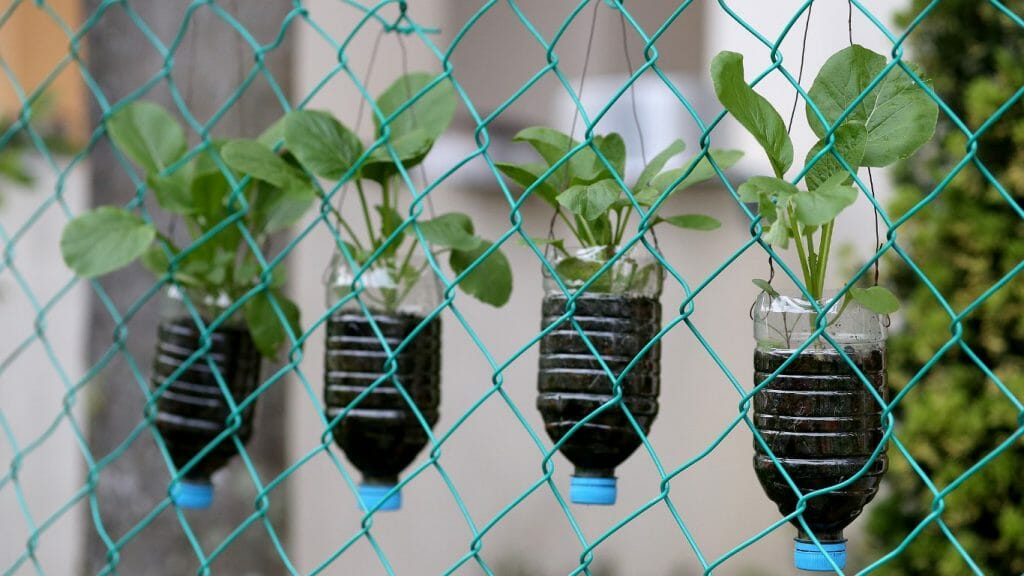
Circular Economy Bill introduced in Ireland
Last week, the government has introduced its Circular Economy Bill. The new bill introduced has some great provisions, including; Giving the Minister the authority to impose levies on single use items, such as cups, food containers and packaging Setting out the... -
CRNI Newsletter No.1 2022
Read all the latest reuse, repair, recycling news in our latest newsletter here. -
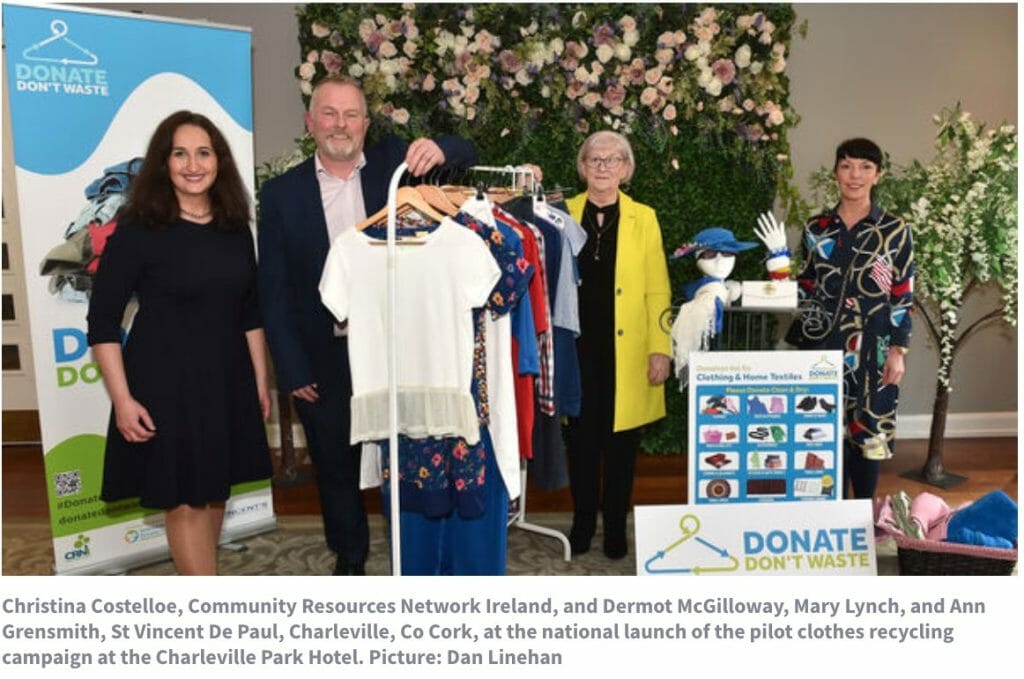
CRNI’s clothes recycling scheme launches in Cork town
In Ireland, about 68,000 tonnes of textiles are discarded every year by householders and commercial users. A push to recycle more clothing has been launched in the first of three towns selected for a pilot project, Developing a Circular Textiles... -
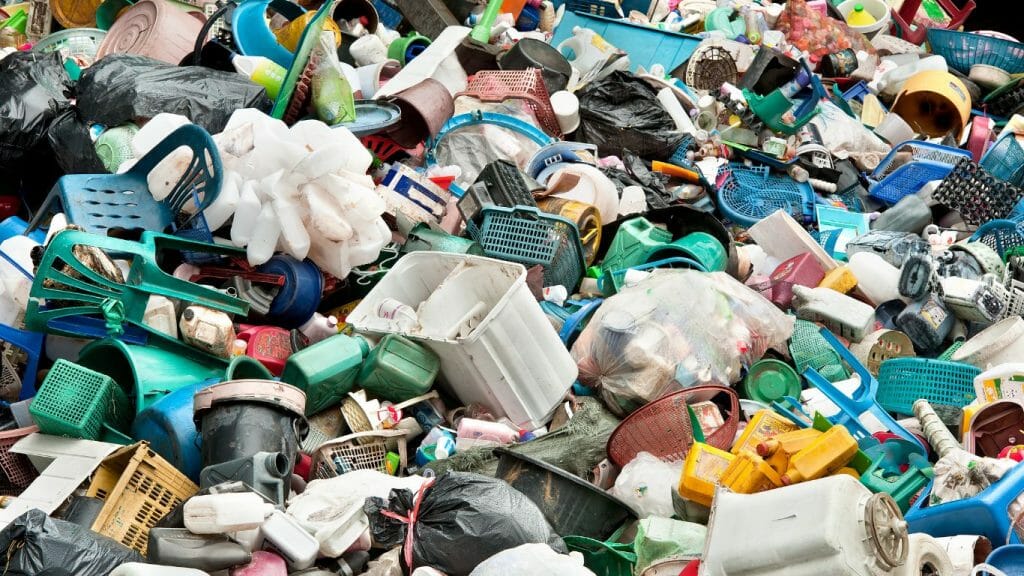
World leaders agree to draw up treaty on plastic waste
World leaders, environment ministers and other representatives from 173 countries have agreed to develop a legally binding treaty on plastics, in what many described a truly historic moment. The resolution, agreed at the UN environment assembly in Nairobi, Kenya, calls... -
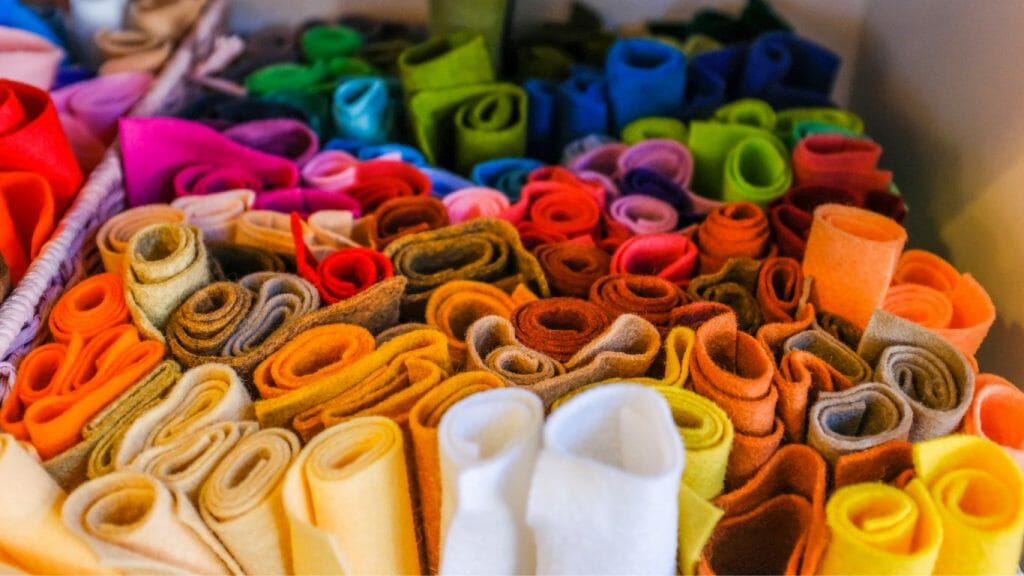
Circular business models and smarter design can reduce environment impacts from textiles
The EEA briefing ‘Textiles and the environment: The role of design in Europe’s circular economy’ provides updated estimates of textiles’ life-cycle impacts on the environment and climate. The briefing shows that, compared with other consumption categories, textiles caused in 2020 the third highest pressures on water... -

New ESRI Report: ‘Public understanding of climate change and support for mitigation’
In this study, a large, representative sample of the Irish population undertook a multiple-choice quiz about climate change. The 10-minute quiz was designed to engage participants and to measure their understanding, not of facts and figures, but of the scientific... -
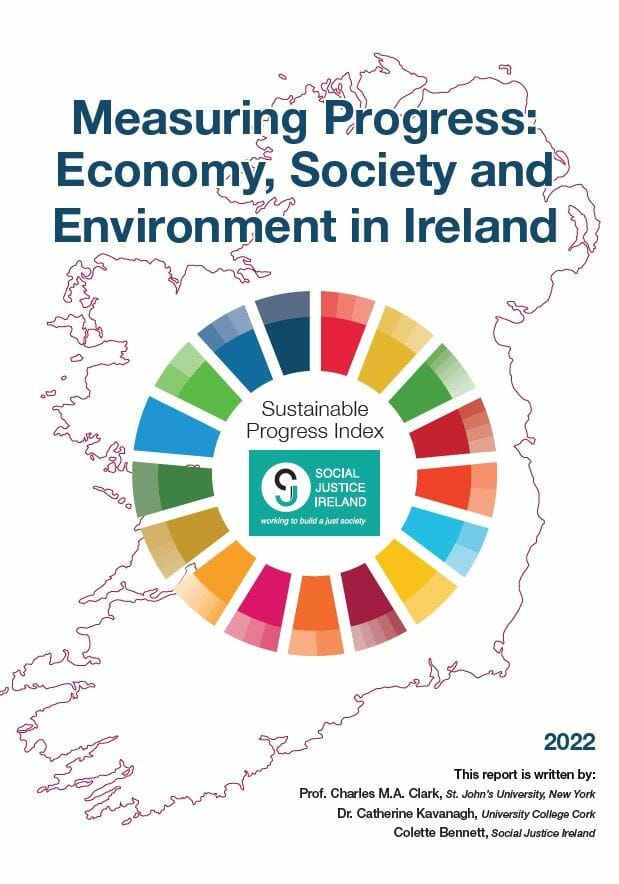
Launch of the Sustainable Progress Index 2022
Measuring Progress: The Sustainable Progress Index 2022 ranks 14 comparable EU countries based on their delivery of the UN’s Sustainable Development Goals (SDGs). Written by Prof. Charles M.A. Clark of St John’s University, NY; Dr. Catherine Kavanagh of UCC; and Colette... -

Why you should care about this Circular Economy Bill
If you are sick of our throw-away culture and want to see it change, then here is an action you can take to make a difference. THE STORY SO FAR Ireland is working out what our circular economy will... -

COP26 Resources Week 2
As COP26 continues, the information continues to flow and we found some additional resources to be helpful and we hope you do too. And, learn more about how reuse, repair and reycling organisations & social enterprises can help you take... -

COP26 resources
As COP26 gets underway in Glasgow, there is a lot of information to absorb so here are a few helpful resources, some involving CRNI Members! The Irish Independent asked what we can expect from the 12-day UN conference billed as... -
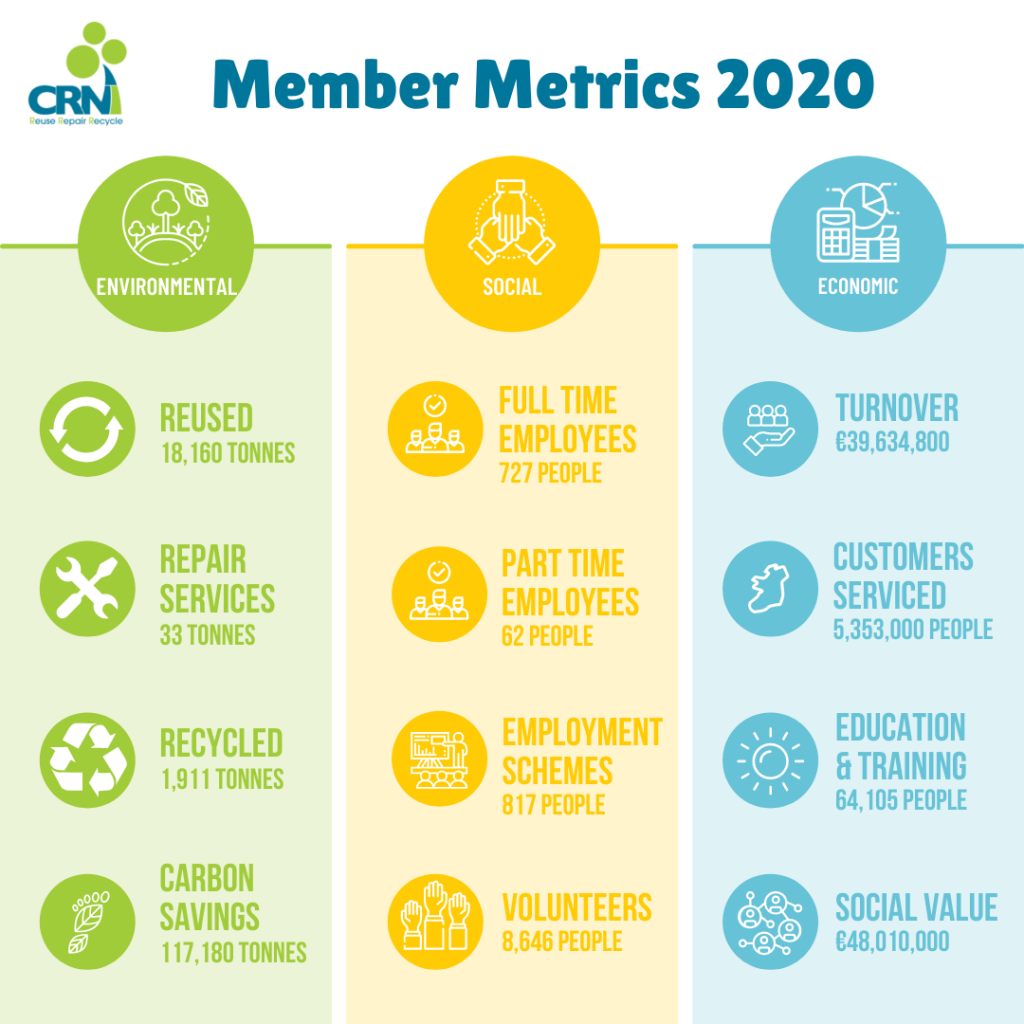
CRNI Members are our Reuse Month Heroes
Ireland’s Reuse Month, which demonstrates how value can be found in everyday items and brings awareness to the circular economy, begins today! Throughout October, CRNI will be sharing the environmental, social and economic impact CRNI Members, our Reuse Month Heroes,... -
CRNI Newsletter Fómhar 2021
Find out about the milestone for CRNI’s ReMark quality mark, reuse in GPP, member funding success, the network National Executive recruitment and more in our latest newsletter here. -

Recruitment – National Executive
CRNI is currently recruiting for a national network executive to manage the network. This is an exciting opportunity to help develop and raise the profile of reuse, repair and recycling in Ireland, support network members and implement reuse activities and... -
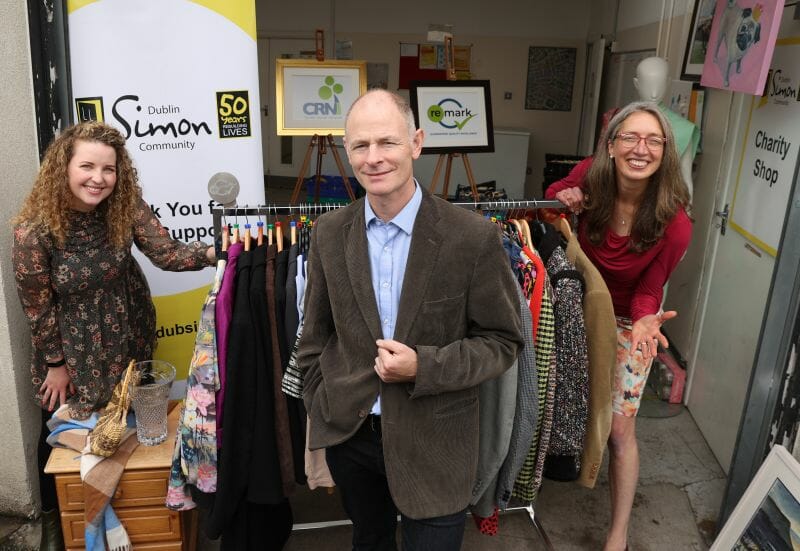
Milestone reached for CRNI as further development of its ReMark quality mark funded by Circular Economy Innovation Grant Scheme (CEIGS)
CRNI is delighted to be awarded Department of the Environment, Climate and Communications’ Circular Economy Innovation Grant Scheme (CEIGS) funding to prepare our quality mark #ReMark for national roll out, which we believe can be a game changer in Ireland’s... -

CRNI Members awarded Social Enterprise Development Fund support
CRNI is thrilled that several of our Members have been awarded support from the Social Enterprise Development Fund. The Rethink Ireland announcement includes Habitat for Humanity ReStore, Recycle IT and REVAMP 3Rstore, all of whom will receive cash grants and... -
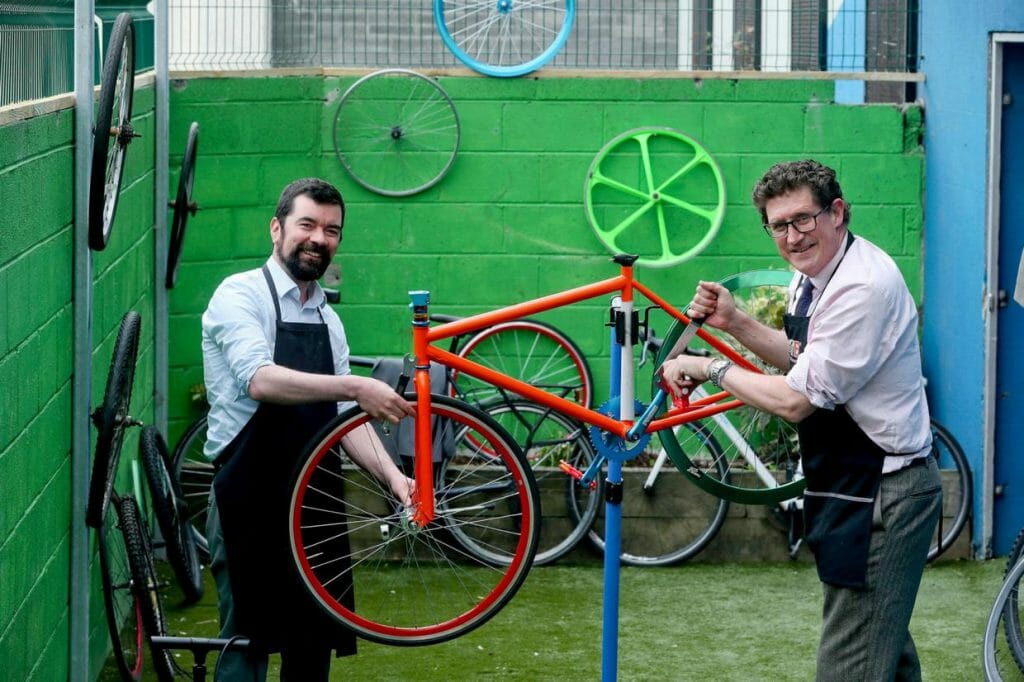
CRNI Members awarded funding under Pilot Bike and E-Bike Upcycling Initiative
CRNI is delighted that so many of our bicycle members — An Mheitheal Rothar, Cork Community Bikes, Deaf Enterprises, Rediscovery Centre and Renew Enterprises — were awarded funding under the Pilot Bike and E-Bike Upcycling Initiative. The pilot initiative was... -
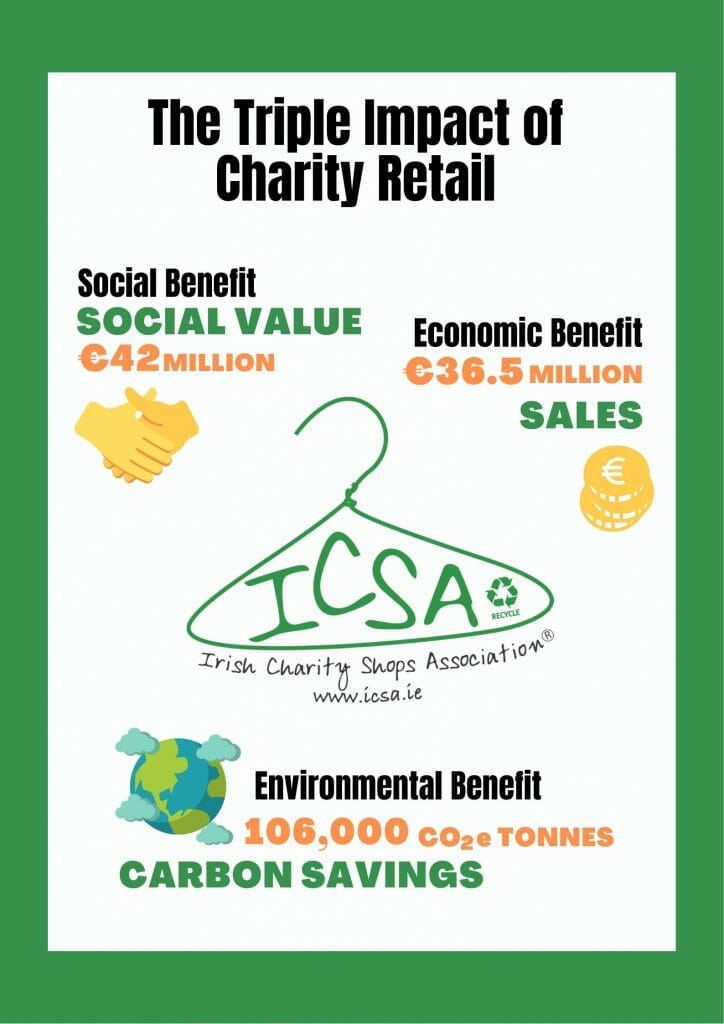
Charity shops have a triple bottom line impact: economic benefit, social benefit and environmental benefit
Press Release by Irish Charity Shops Association Every year the Irish Charity Shops Association conducts a Benchmarking Survey with its members to quantify how shops benefit the charity sector, and also their impact on the communities where they operate and... -
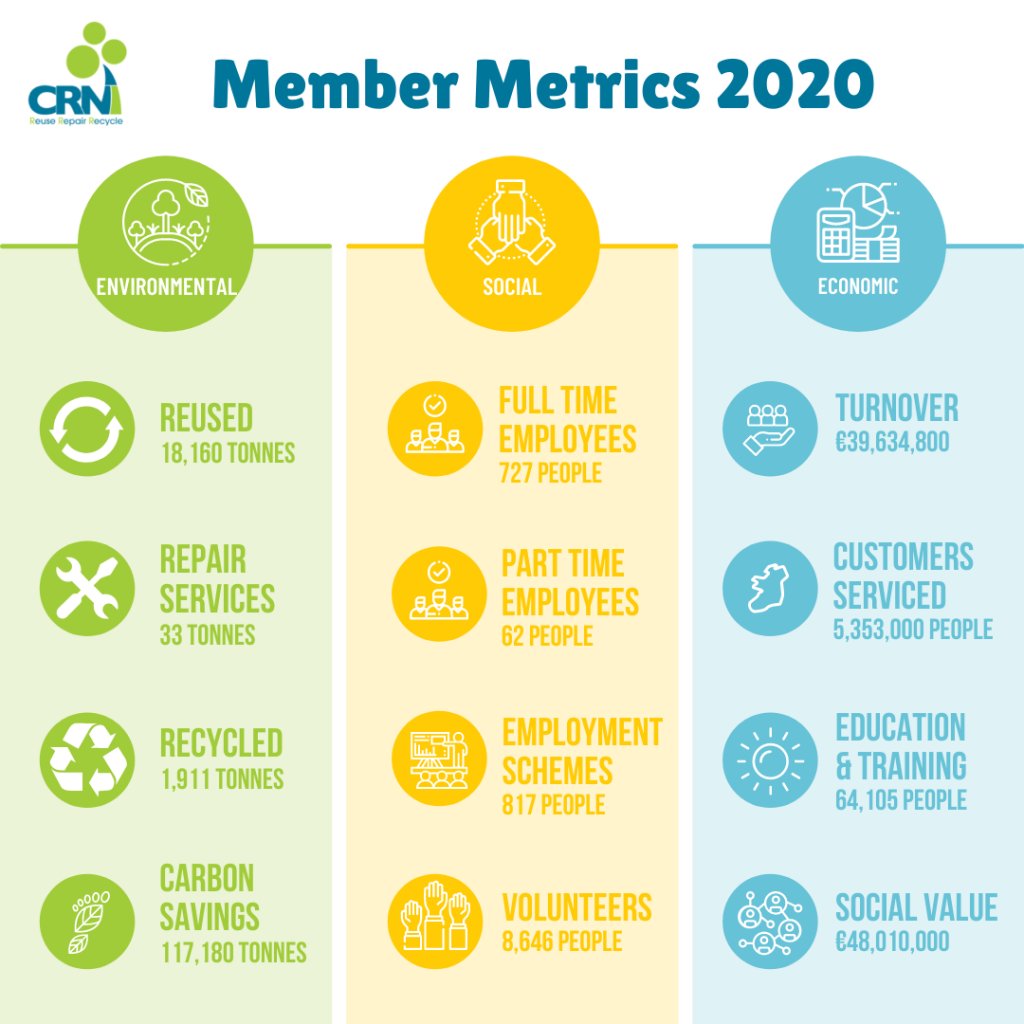
CRNI Newsletter Samhradh 2021
CRNI has issued a Samhradh newsletter featuring our Member Metrics 2020, highlights from the CRNI Jobs and Skills for a Circular Economy conference, Ireland’s potential to become a leader in reuse and repair if measures in the General Scheme of... -
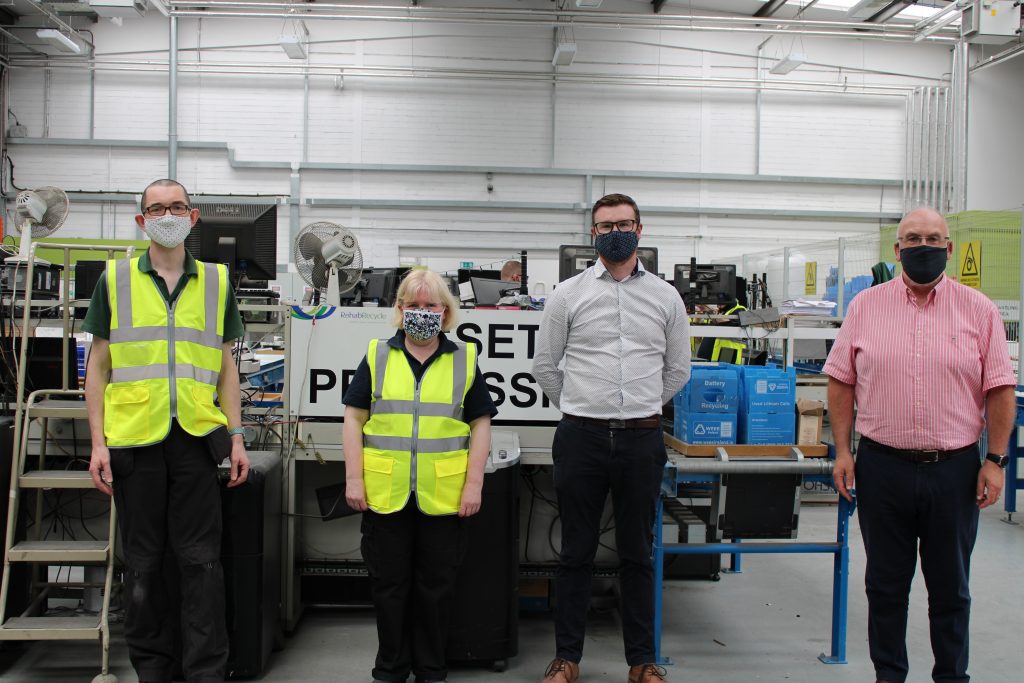
BoyleSports join forces with disability employer to create dynamic reuse initiative
Press Release from Rehab Reycle Bookmakers BoyleSports has joined forces with Rehab Recycle to prevent thousands of kilos of electronic material ending up unused in landfill sites, while supporting the employment of people with disabilities in Ireland. Rehab Recycle, part... -
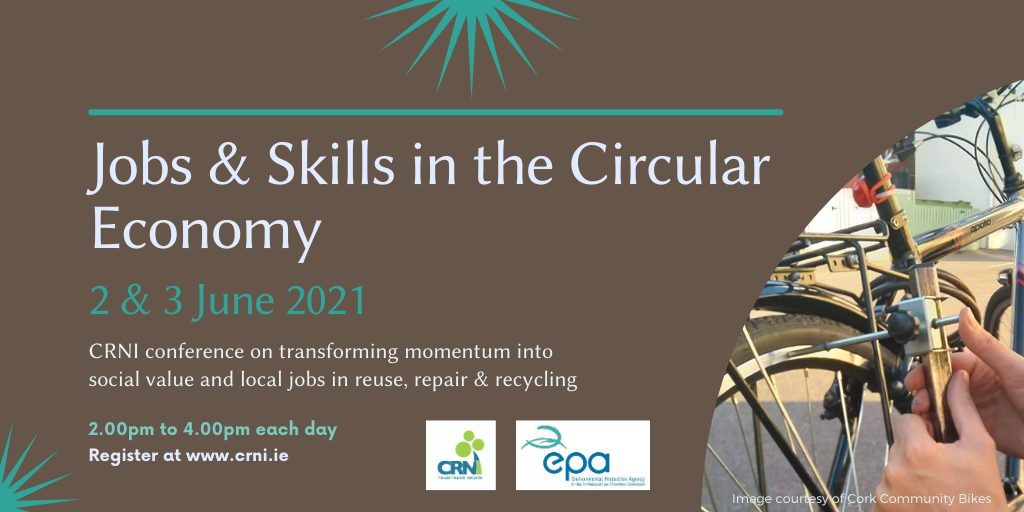
CRNI Biennial Conference on Transforming Momentum Into Social Value and Local Jobs in Reuse, Repair & Recycling
There has never been a better time to avail of European and national policy and funding programmes to invest in green and social jobs. But how is all of this momentum translating into reuse, repair and recycling training and job... -
CRNI Newsletter Bealtaine 2021
CRNI has issued a Bealtaine newsletter featuring updates on the CRNI biennial conference on Jobs and Skills for a Circular Economy on 2 & 3 June, a new Green Enterprise project on Circular Textiles, as well as events, member stories,... -
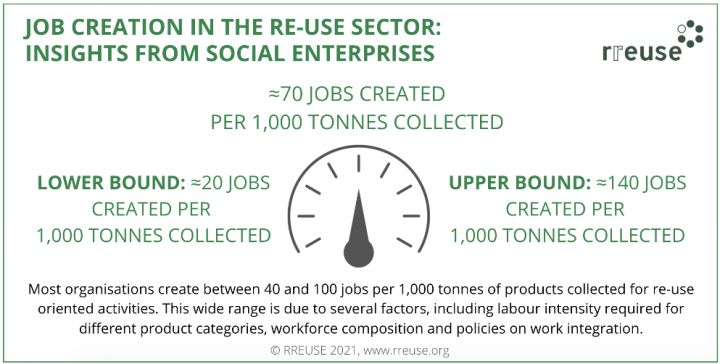
Job creation by social enterprises in the re-use sector
Press Release from RREUSE RREUSE’s latest briefing, Job creation in the re-use sector: Data insights from social enterprises, highlights the opportunities for job creation in the re-use sector. Based on first-hand experience and expertise provided by the wider RREUSE network, the data... -
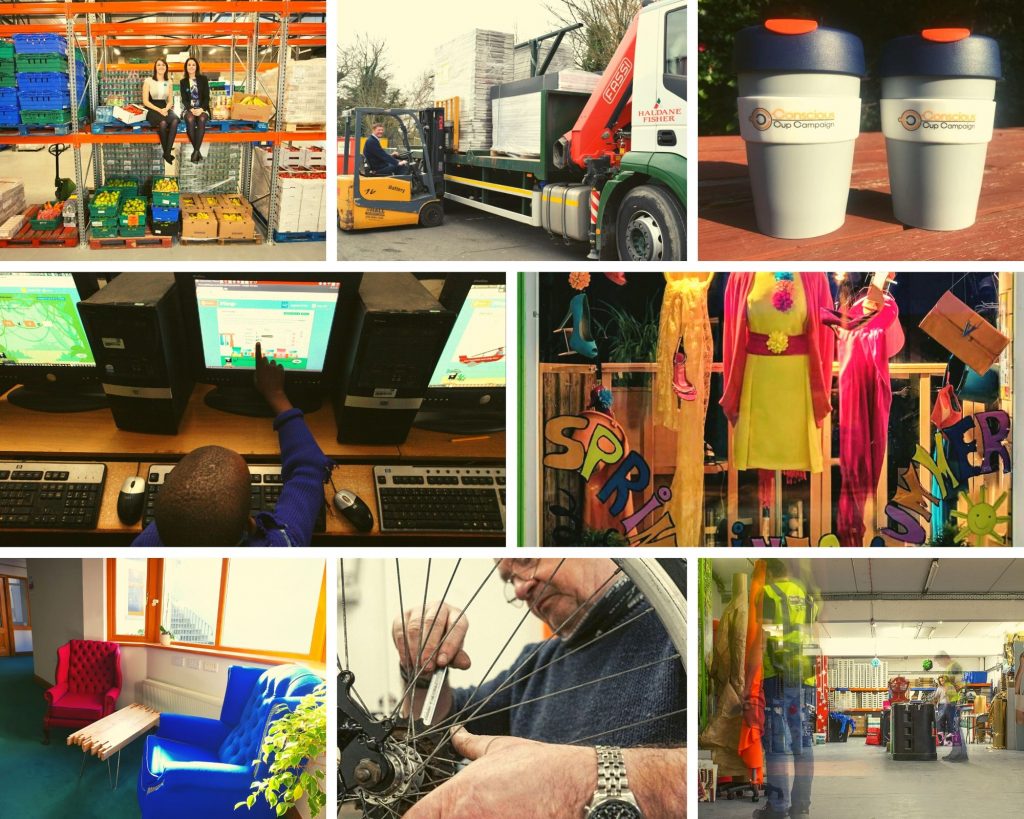
New government initiatives signal a time of growth for community reuse, repair and recycling
The government’s publication on 16th April of two new policy consultations alongside a circular economy innovation grant scheme signals a turning point for the community based prevention, reuse, repair and recycling sector. CRNI has been calling for more investment in... -

Five ways social enterprises embrace and innovate the rising bike culture
Article from RREUSE and CRNI For the first time, data for 2019 in Germany shows that electric bikes were sold in higher numbers than diesel cars. It is estimated that the overall bike industry employs around 281,000 people in Germany... -

CRNI welcomes Our Rural Future’s circular ambition
CRNI welcomes the holistic approach to the new Rural Development Plan, Our Rural Future, which ties together climate, social, circular economy and a wide range of other Government policies. Our members’ social reuse, repair and recycling enterprises support a wide... -
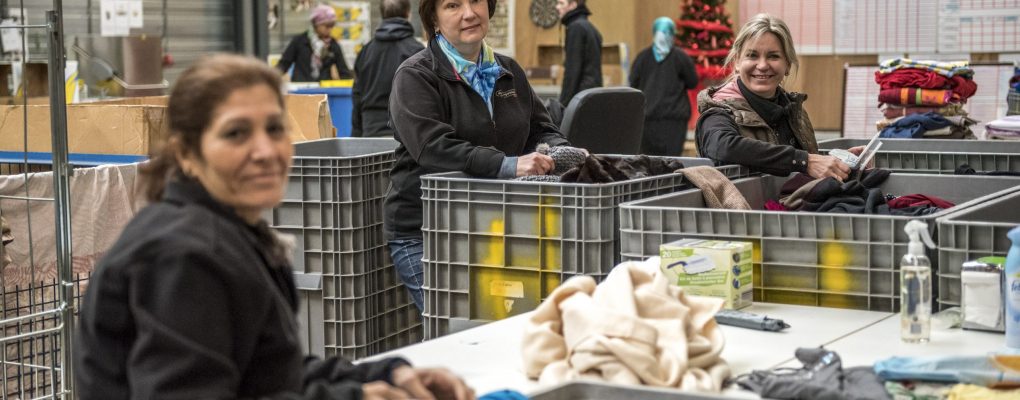
A fair and inclusive circular transition through the EU Social Economy Action Plan
RREUSE is calling for an ambitious Social Economy Action Plan which intrinsically links the social and circular economies. Social enterprises — operators in the social economy whose primary objective is to have a social, societal or environmental impact over profit... -

Charity retailer Thriftify expands on sales and growth
Article from thinkbusiness.ie With 93pc of Irish charity retailers signed up to the site, with a 99pc retention rate, Thriftify is now focusing on the UK and Europe. Irish online charity platform Thriftify has reported a 79pc increase in online... -
Urgent call to improve WEEE treatment, collection, logistics and preparation for re-use in Europe
A joint position co-signed by 12 environmental NGOs and representatives of waste treatment operators calls for setting new European legal requirements to improve collection, logistics and preparation for re-use of e-waste and electronic equipment (WEEE). A revision of the legal... -

Tech2Students #NoStudentLeftOffline Campaign
RTÉ and An Post are getting the word out about the Tech2Students & Camara Ireland #NoStudentLeftOffline campaign, which is helping to bridge the digital divide created by COVID-19 and getting laptops into the hands of students who need them most... -

Refill Ireland Cork Competition
Refill Ireland Cork Business Competition Become a Cork’s 1st Hydration Hub Refill Ireland are an award-winning Non-Profit keeping hydration zero waste locally for bespoke public & private events. We have a national TAP MAP helping the public find locations for... -
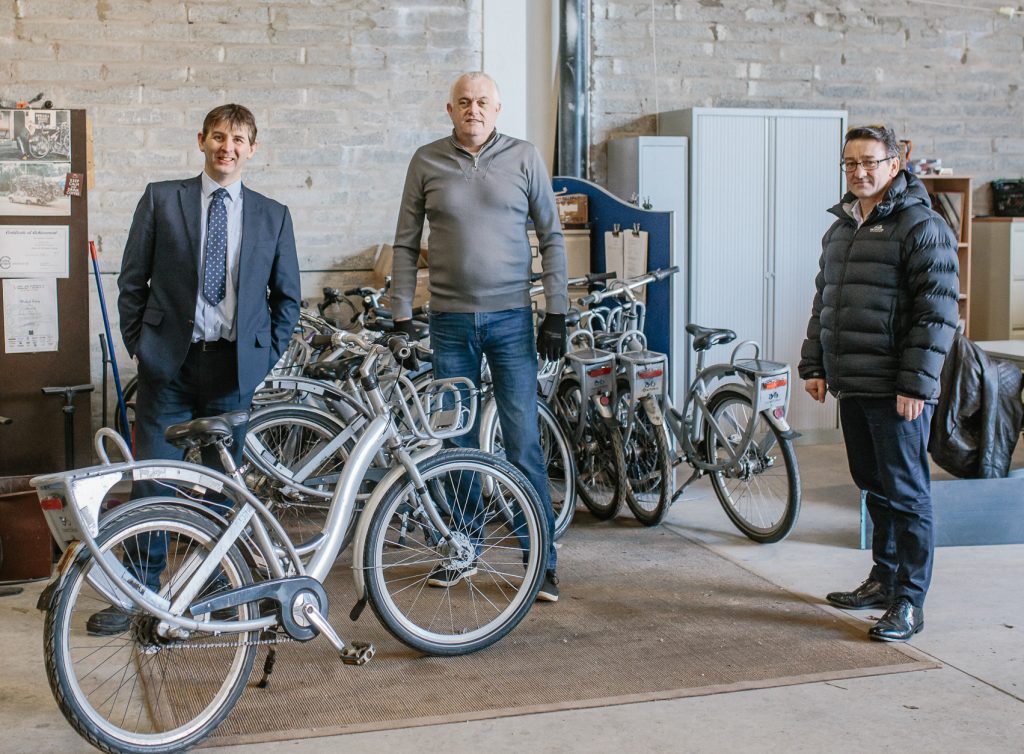
Preloved is in the air: Council-social enterprise partnership brings new life to retired Belfast bikes
PRESS RELEASE: 13 February 2021 Preloved is in the air: Council-social enterprise partnership brings new life to retired Belfast bikes Northern Ireland Resources Network (NIRN) and East Belfast Mission are working in tandem to find new homes for preloved bikes... -
CRNI 2020 Highlights
We are delighted to share our 2020 highlights of how we supported reuse, repair and recycling Members, helped mainstream the community resources sector, researched innovative approaches & informed public policy. CRNI is funded under the EPA’s National Waste Prevention Programme.... -
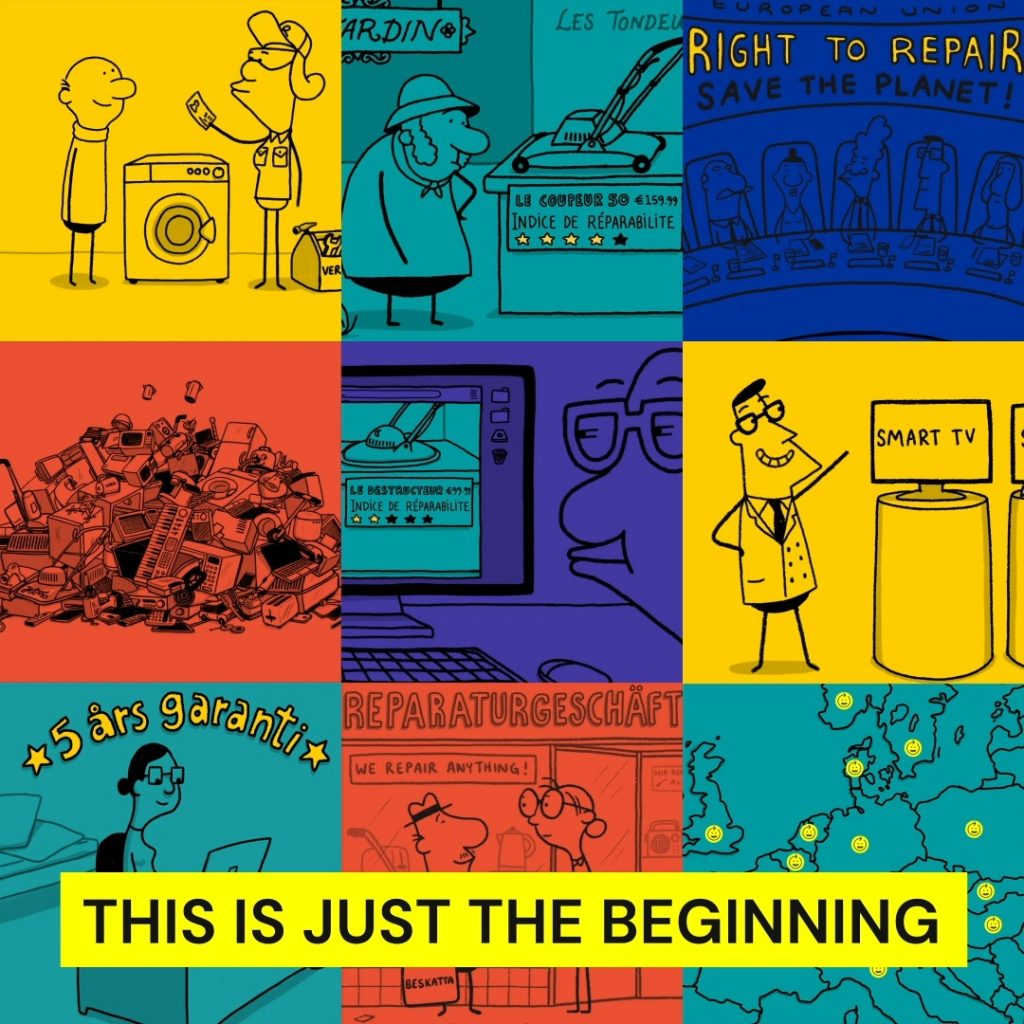
2020 – The year Right to Repair became essential
Press Release from Chloé Mikolajczak, Campaigner, Right to Repair Europe It’s been quite a year for the Right to Repair movement in Europe! From influencing votes on premature obsolescence to pushing for smartphones to be regulated, from expanding our coalition... -
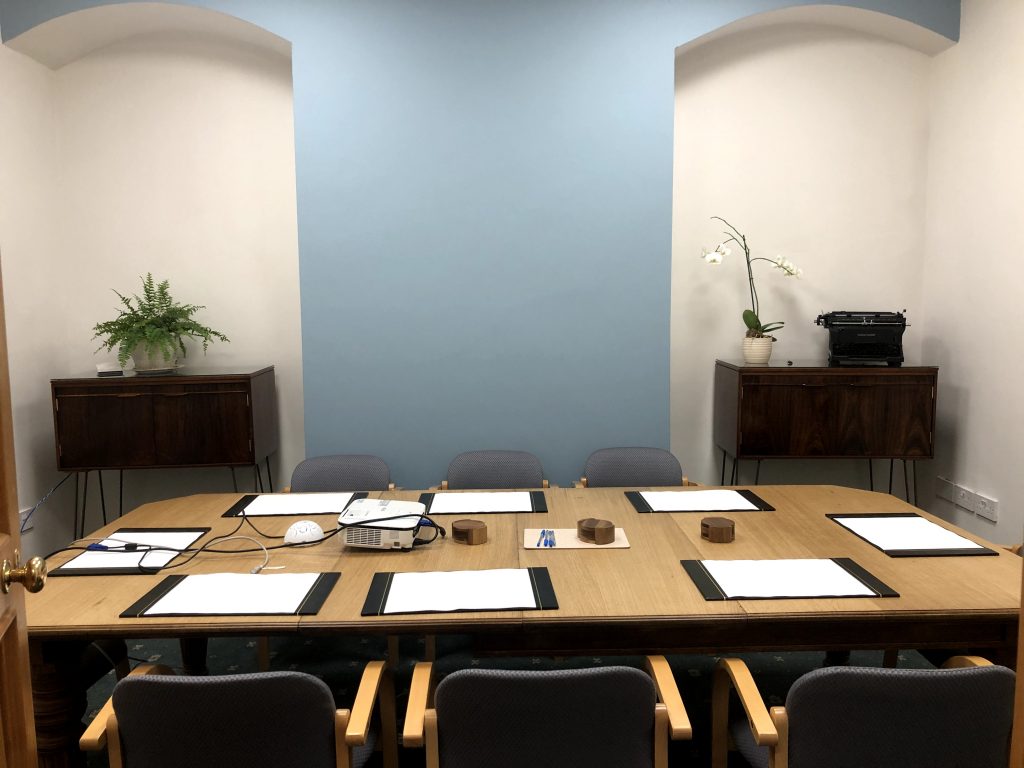
National Waste Collection Permit Office (NWCPO) at Offaly County Council wins ‘Best Green Procurement Project of the Year’ category at the National Procurement Awards 2020
Press Release from National Waste Collection Permit Office A PRESTIGIOUS national award has recognised a pioneering and innovative project that equipped the new offices of the National Waste Collection Permit Office (NWCPO) in Tullamore with up-cycled furniture. The NWCPO, a... -
CRNI Newsletter – Green Friday, Right to Repair, Good News Stories
CRNI’s latest newsletter here invites you to by sustainable this Christmas, provides updates on the latest EU Parliament decision on the right to repair, Good News Stories from our membership, as well as resources and tips on repair, reuse and... -

European Parliament stands by consumers and the environment in the fight against obsolescence
Press Release from Right to Repair Coalition, Europe The European Parliament secures a big win for the Right to Repair as MEPs come together across political divisions and stand by consumers and the environment in the fight against throw-away products. ... -
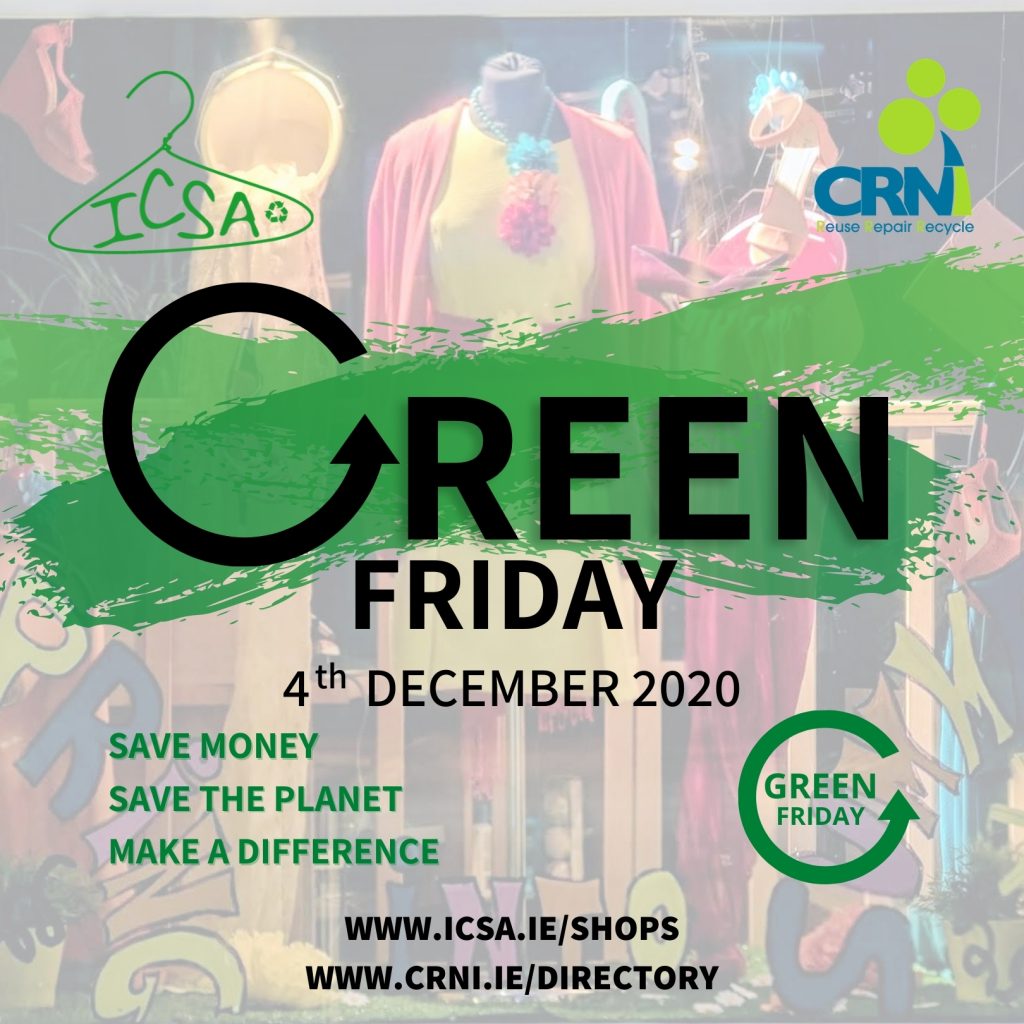
ICSA and CRNI launch Green Friday Campaign: Save money, save the planet, make a difference
Watch the campaign videos here (long) or here (short!). ICSA and CRNI launch Green Friday Campaign Save money, save the planet, make a difference This year consumers can make Green the new Black with the Green Friday campaign on 4... -
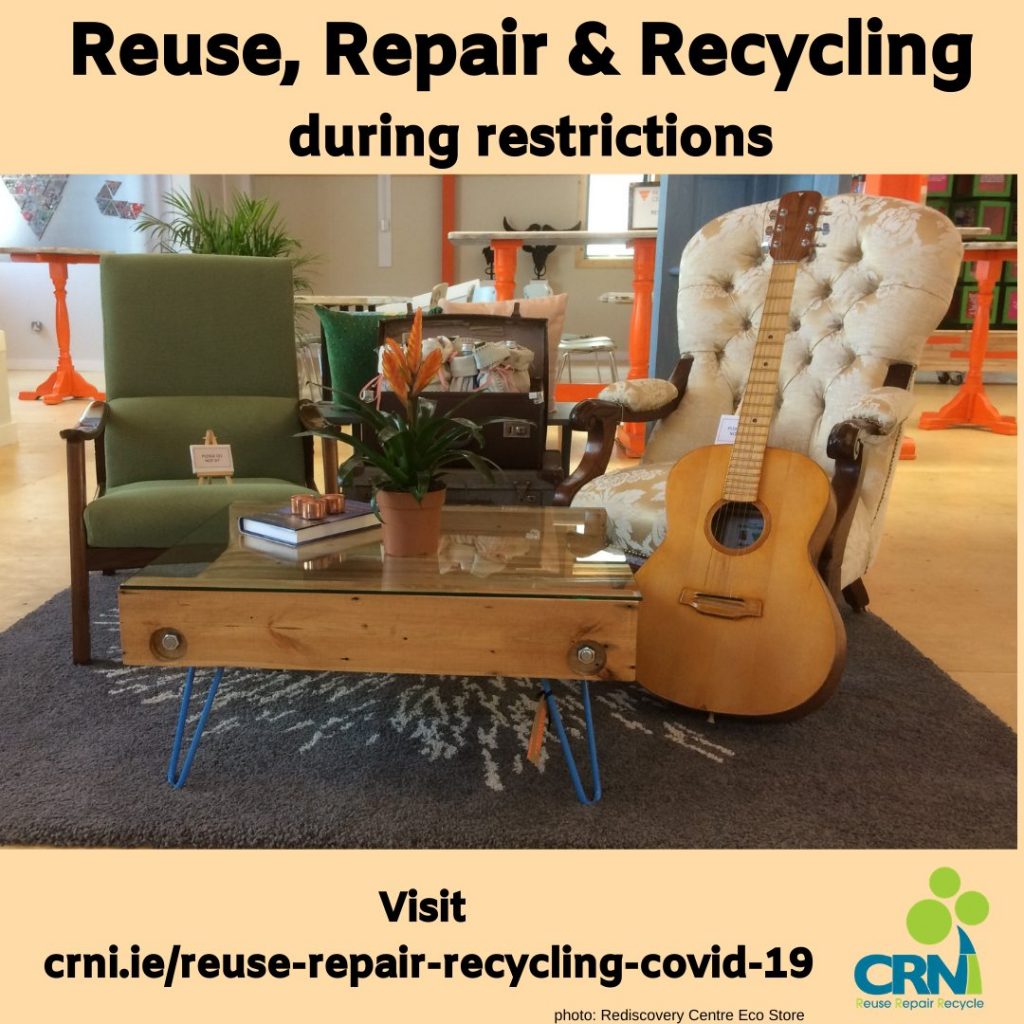
Where to reuse, repair & recycle during COVID-19 restrictions
CRNI encourages you to get creative, prioritise secondhand goods, learn, support and engage in reuse, repair and recycling during this challenging time. CRNI has developed an online resource page here that shows ways you can continue to work with CRNI... -
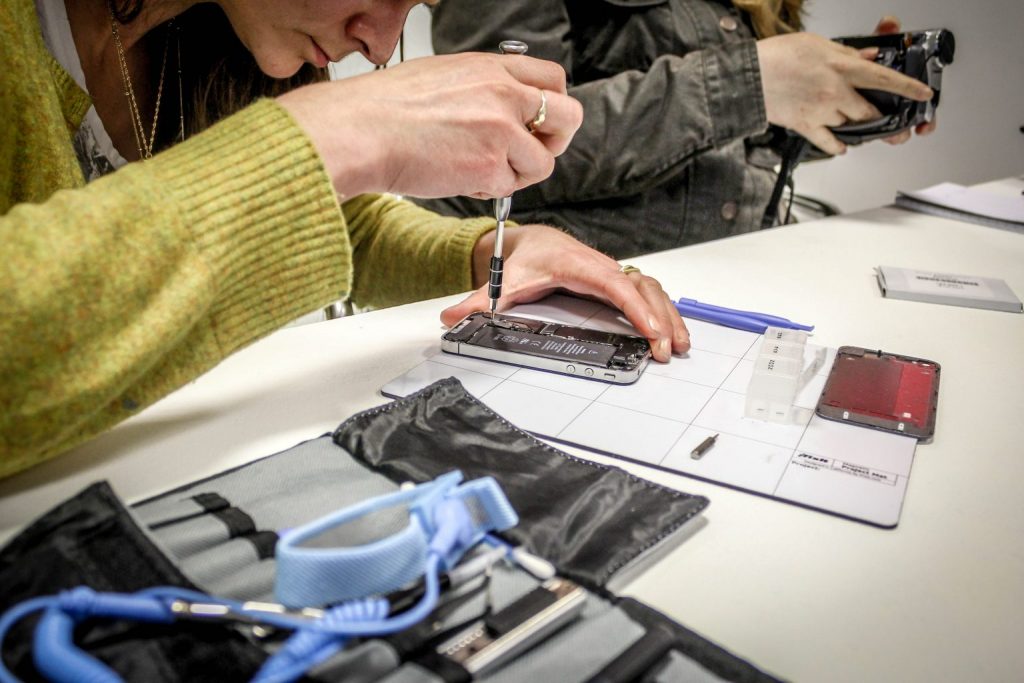
Fight against premature obsolescence at risk in EU Parliament vote
Press Release from Right to Repair Coalition On Monday 26 October, the European Parliament’s Internal Market and Consumer Protection (IMCO) Committee will vote on the draft own initiative report on how to make the EU internal market more sustainable. The report contains... -
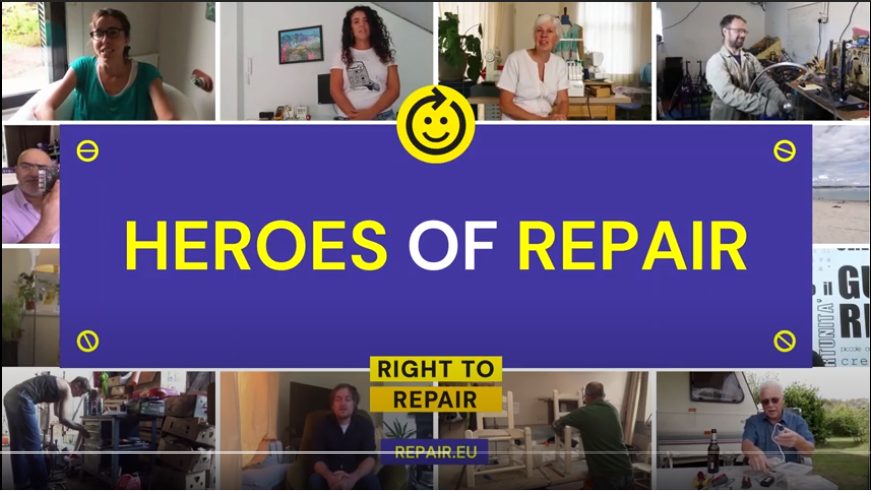
International Repair Day to feature local heroes
On the 17th of October, “repair heroes” from Galway and Cork were given the stage as part of International Repair Day. Coordinated by the Right to Repair movement and the European RREUSE network, the campaign saw repair experts from Duhallow... -
How and where to reuse almost everything – at home, at work and at play
CRNI is delighted to launch for National Reuse Month 2020 a series of short animated videos showing how you and your business can reuse almost everything at Home, at Work, and at Play. Reuse is about valuing our stuff, by... -
CRNI Q3 Newsletter
For all the latest news on CRNI Members, upcoming events and campaigns, publications like the EPA’s National Waste Prevention Programme (NWPP) report for 2019, reuse resources and best practices, see our Q3 Newsletter here! Email [email protected] to sign up for... -
Setting sights on targets key for Circular Economy leadership
Ireland has the potential to become a circular economy leader in Europe if targets for prevention, reuse, repair, resource efficiency, procurement of used goods and food waste outlined in the Government’s newly published Waste Action Plan are pursued. Great strides... -
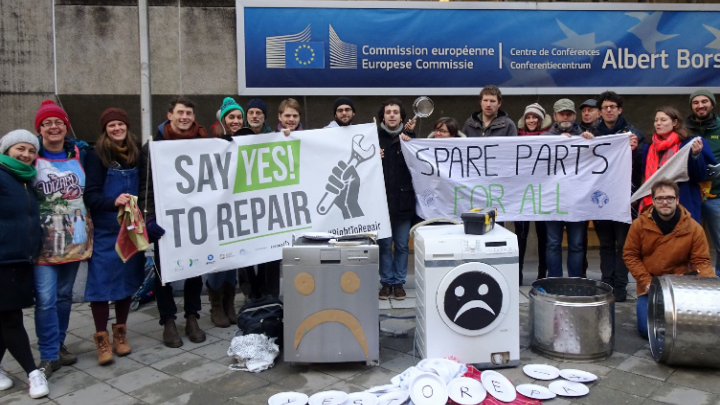
Flying the flag for Ireland on International Repair Day
This year on the 17th of October, repair heroes from Duhallow Revamp and An Mheitheal Rothar will be given the stage as part of International Repair Day. Coordinated by the Right to Repair movement and the European RREUSE network, the... -
RREUSE Activity Report 2019
RREUSE has published its Activity Report 2019 outlining the network’s contribution to a more circular and social economy in Europe. Read more about their network and the policy work, campaigns, events and projects undertaken in 2019 – including a feature... -
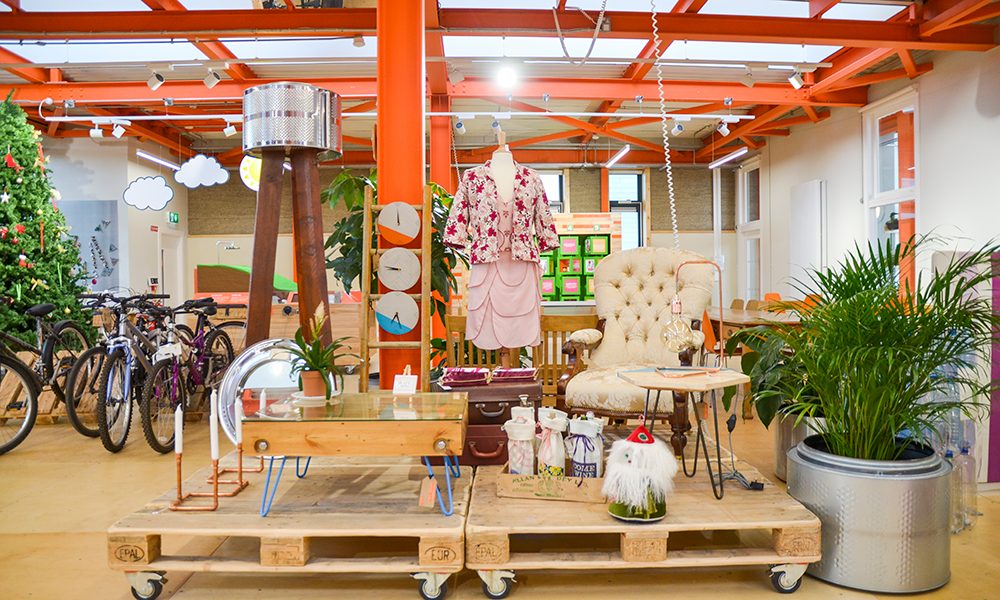
Rediscovery Centre and CRNI in CIWM’s Circular Pioneers
CRNI is delighted to have been selected in the CIWM list of Circular Economy pioneers. Published by CIWM, Circular Online is a daily news and insights resource for sustainability professionals working in resources and waste. A recent feature – ‘Circular pioneers | innovative start-ups... -

Northern Ireland Network Coordinator
CRNI is delighted to work with the Department of Agriculture, Environment and Rural Affairs (DAERA) to set up a pilot reuse and repair network for Northern Ireland. The pilot will see a dedicated staff member which we are hiring for... -
CRNI Spring Newsletter
For all the latest news on reopening the sector, Member news, CRNI and the Department of Agriculture, Environment and Rural Affairs (DAERA)’s pilot reuse and repair network for Northern Ireland, the EC’s Circular Economy Action Plan and European Recovery Plan,... -

Extra clarity needed on social and circular European recovery funds
Press Release from European RREUSE network: On 27 May, the European Commission revealed its revamped EU budget, a European Recovery Plan and its adjusted work programme, reaffirming the urgency for the post-coronavirus world to be “sustainable, even, inclusive and fair for all Member States”.... -
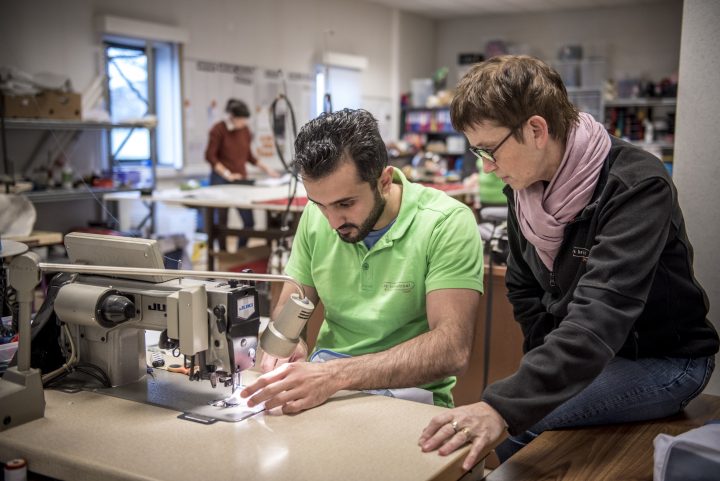
RREUSE urges immediate Government support for Social Enterprises: Breaking point for the Environment and Local Jobs
Press Release from European RREUSE network: Europe’s economy stands at a juncture with COVID-19 exposing the fragility of the linear economy. The Social and Circular economy is vital, and has been severely affected along with its essential community services including... -
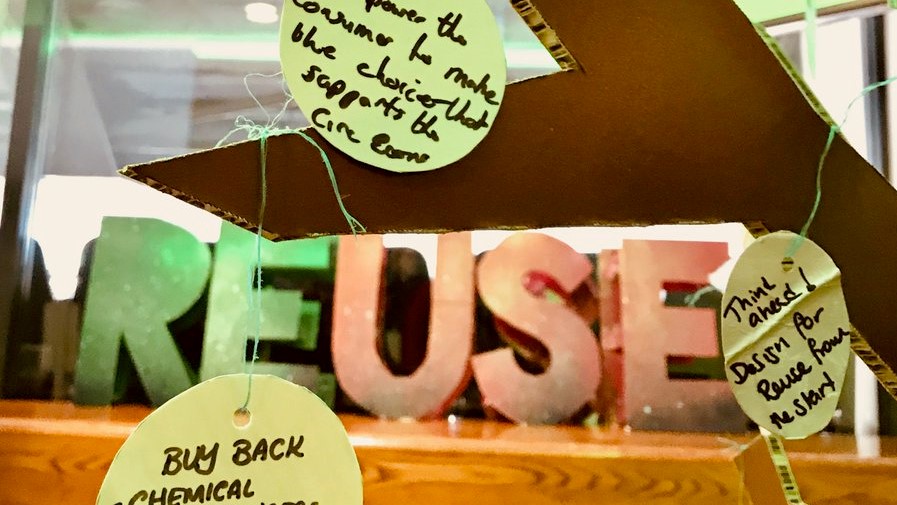
Circular Economy & Reuse
On 11th March, the EU Commission published its much-anticipated Circular Economy Action Plan (CEAP). Prevention, reuse and repair will be critical for the plan’s target to halve residual waste generation by 2030, and reach future prevention targets and Green Public... -
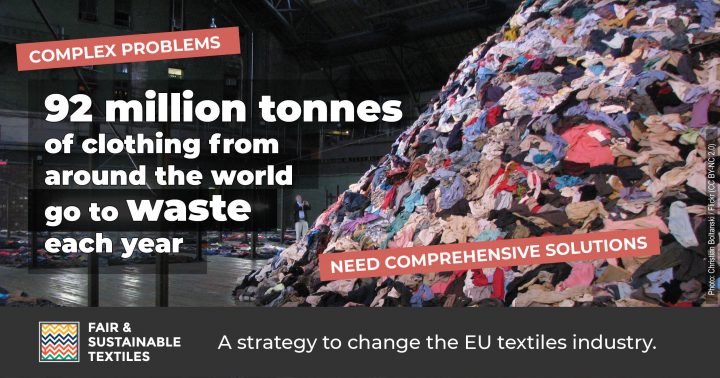
Coronavirus strengthens case for new EU textile laws – 65 civil society groups publish joint vision
Press release from European RREUSE network: RREUSE is one of the 60+ NGOs calling on the EU to take action to ensure the textiles industry promotes environmental protection as well as inclusive, safe and fair working conditions. As the European... -
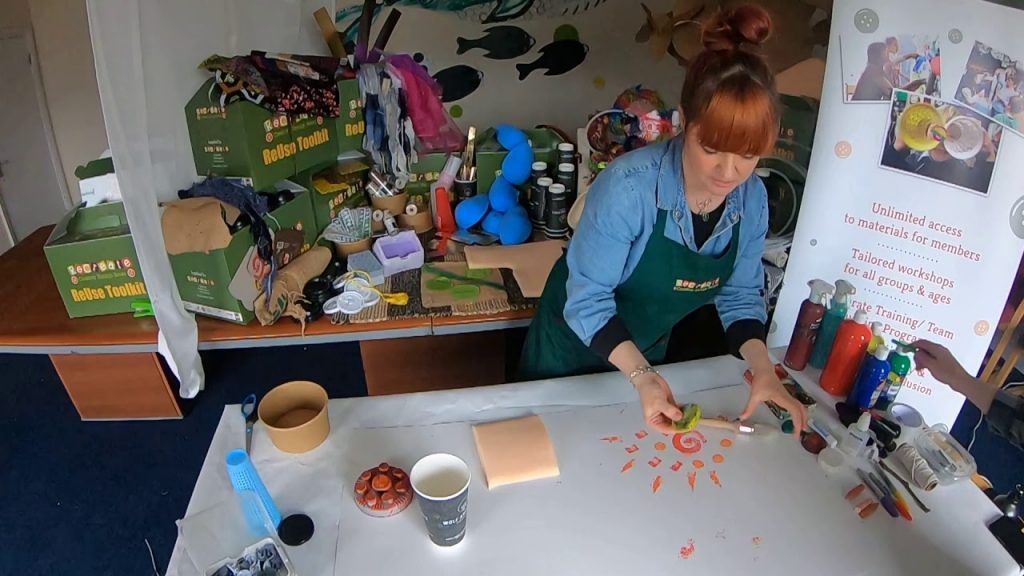
Reuse while staying Safe at Home: Tips for circular economy continuity during this time of uncertainty
CRNI and VOICE Press Release – 6 April 2020 All of us are coming to terms with the new reality of social distancing and getting to grips with how best to avoid contamination of ourselves and those around us. While... -

COVID-19 Update
CRNI will continue work towards our strategic objectives to support our Members and mainstream the community resources sector during this unprecedented time. The safety of our staff and community is of the utmost importance so our team is working remotely... -

How to support charities and charity shops in these challenging times, from ICSA Chair Mark Sweeney
We are facing uncertain and unprecedented times, not only as retailers but as a global population. First and foremost, the safety of our teams, staff and volunteers is the most important thing. Nearly all of our members have now suspended... -
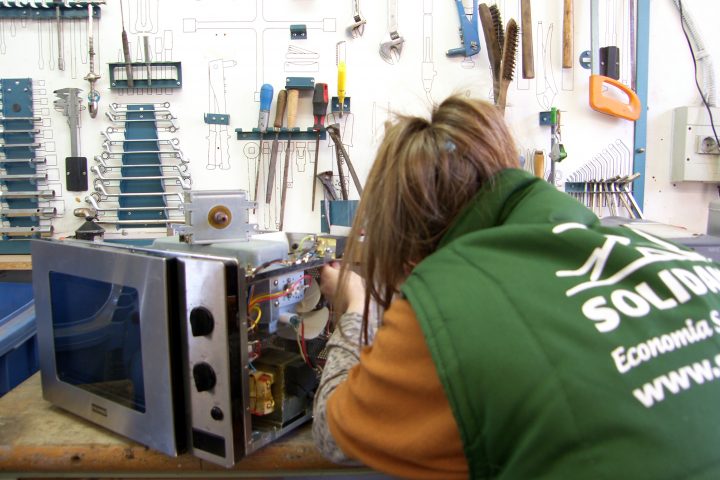
Circular Economy Action Plan: A socially inclusive vision with re-use and repair at heart
Press release from the European RREUSE network: Today, the EU Commission published its much-anticipated Circular Economy Action Plan (CEAP). Mathieu Rama, Senior Policy Officer at RREUSE, shared the following reaction: “A comprehensive upstream approach ensuring products are durable, repairable and re-useable... -
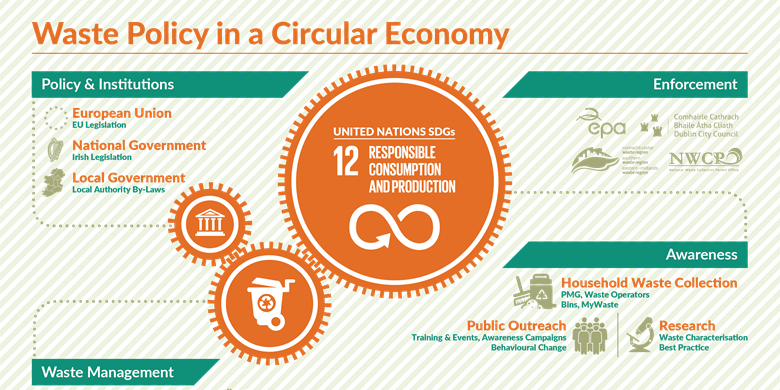
Go Circular with 81 Recommended Actions
CRNI has set out 81 recommended actions in its response to the DCCAE consultation that can help deliver a fairer and more circular economy addressing the urgency of climate change in Ireland. This includes ambitious and innovative ways to re-prioritise... -

Cloth Nappy Library in the news
Cloth nappy Ireland appeared last week on the Sean Moncreif show on Newstalk FM “Cloth Nappies are making a comeback?” Listen back to the clip here. -
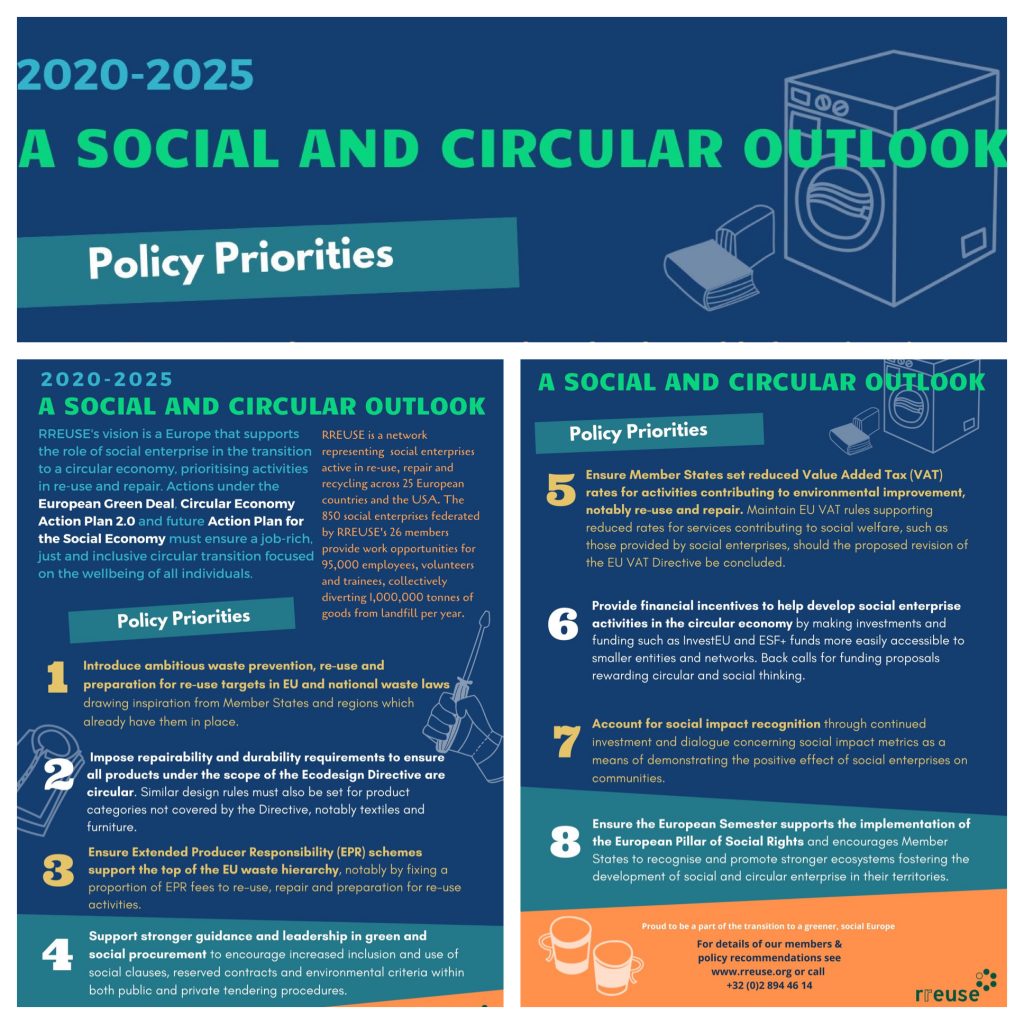
RREUSE Social and Circular Outlook 2020-2025
RREUSE’s vision is a Europe that supports the role of social enterprise in the transition to a circular economy, prioritising activities in re-use and repair. Actions under the European Green Deal, Circular Economy Action Plan 2.0 and future Action Plan... -
CRNI 2019 Annual Report Video
https://crni.ie/content/uploads/2020/01/CRNI-2019-Annual-Report-Video.mp4 2019 saw an exciting buildup of momentum and awareness both by citizens and government on climate and resource efficiency action. In response, CRNI increased media engagement and communications, appearing over 16 times in media and promoting members and the... -
ChangeX: building a tech platform for a better world
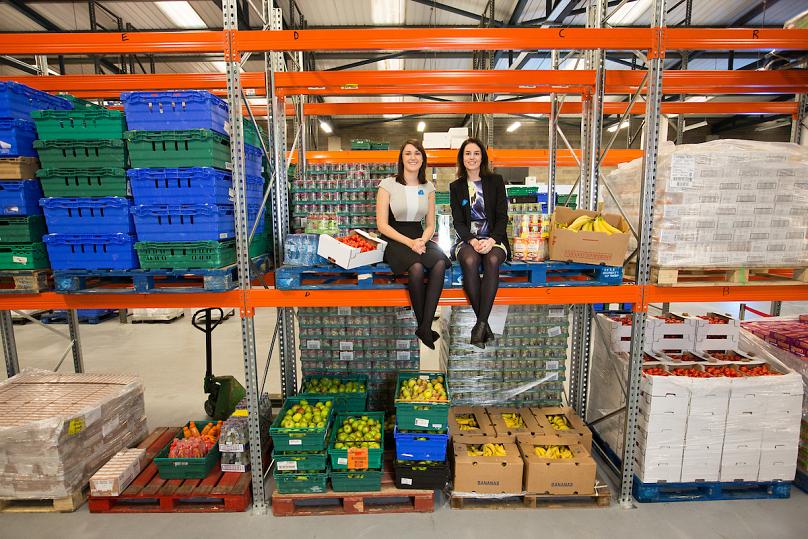
FoodCloud was featured in the Irish Times article on social enterpreneurship on 23/1/2020. To read the article in full see here -
-

CRNI Environmental Levies submission
CRNI’s response to the Public Consultation on the Proposed Introduction of New Environmental Levies broadly supports the proposed measures, which will contribute to supporting reuse and recycling through directly incentivising reusable cups, bags and containers, and also providing a disincentive... -
RREUSE Vision for a New Fashion Season: Social & Circular
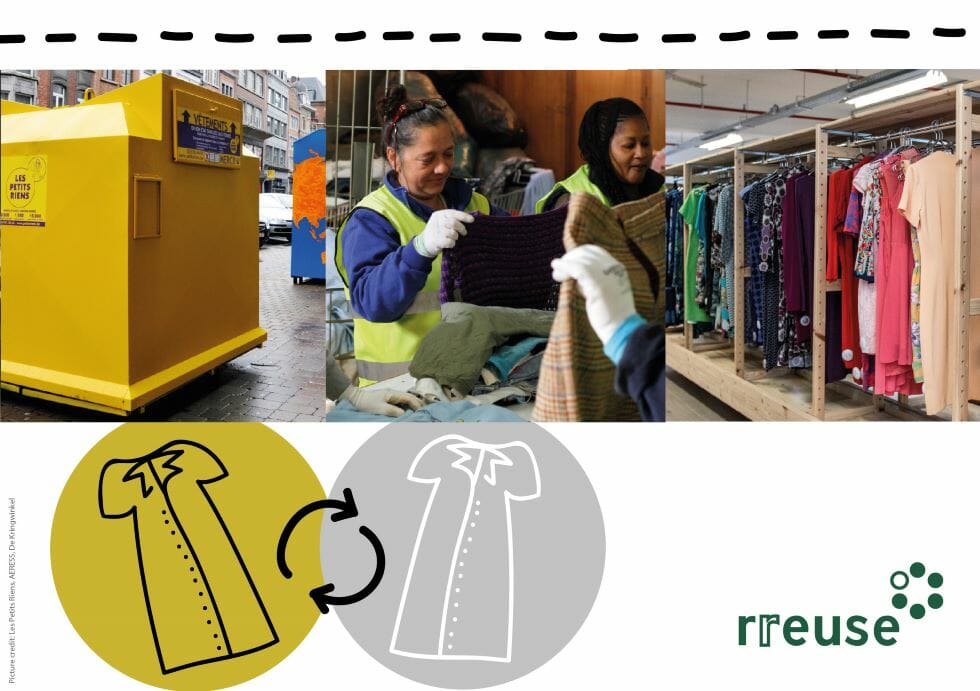
Guest News Contributor RREUSE Network Each EU citizen consumes a staggering 26 kg of textiles per year on average with the textile supply chain responsible for 15 % of primary raw material consumption of EU households[i]. The ‘fast fashion’ phenomenon... -

A Green and Inclusive Deal?
Guest News Contributor RREUSE Network The newly released “European Green Deal” contains a palpable sense of support for improved social inclusion in a green and just transition but lacks urgency and detail on exactly how the EU proposes to implement such change.... -
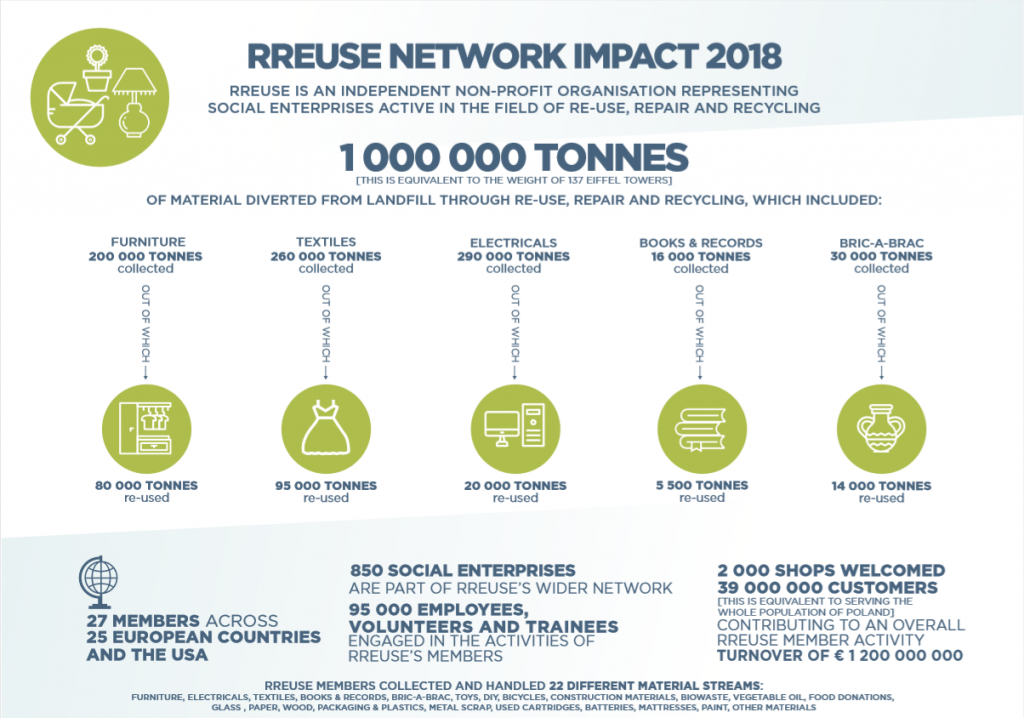
RREUSE Network members divert 1,000,000 tonnes goods and materials from landfill
RREUSE members annually divert around 1,000,000 million tonnes of materials from landfill through re-use, repair and recycling, generating a combined turnover of 1,200,000,000 EUR. These activities enable the 850 social enterprises federated by RREUSE’s wider network to fulfil their social... -
RTE interview on Repair and Climate action
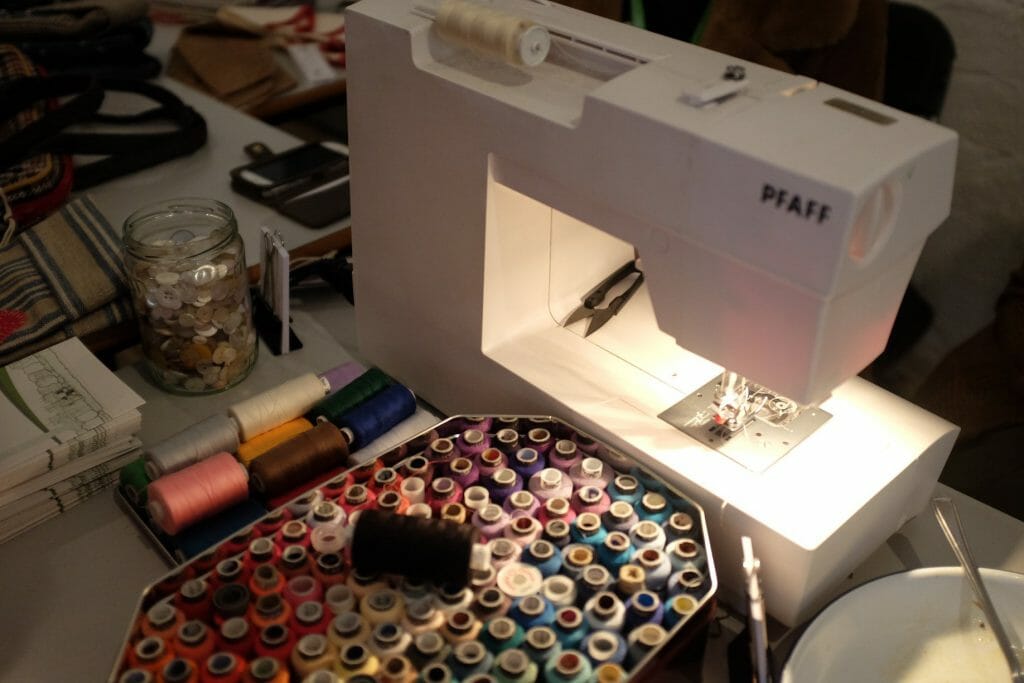
CRNI was delighted to speak to Miriam O’Callaghan today on RTE Radio 1 about pop up repair cafes, reviving the repair culture and the climate impact of reuse and repair as part of RTE’s focus on climate action this week. To... -
-
New environmental levies proposed to encourage more sustainable behaviour
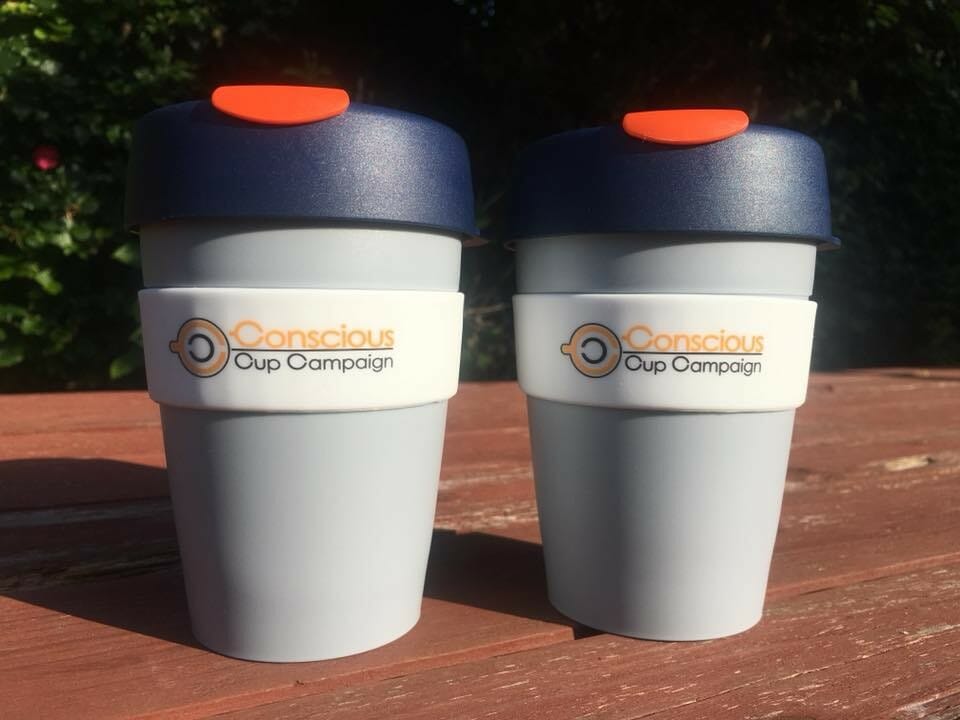
Content from https://www.dccae.gov.ie/ news page: The Minister for Communications, Climate Action and Environment Richard Bruton, T.D. today (Wednesday the 6th of November 2019) announced a number of proposed environmental levies to encourage more sustainable behaviour, which will now be put out... -
CRNI welcomes four new members
CRNI is delighted to welcome four new affiliate members to the network, including: Cloth Nappy Library Ireland: A nation-wide service whose primary aim is to provide information to parents about buying and using cloth nappies via the website, over the... -
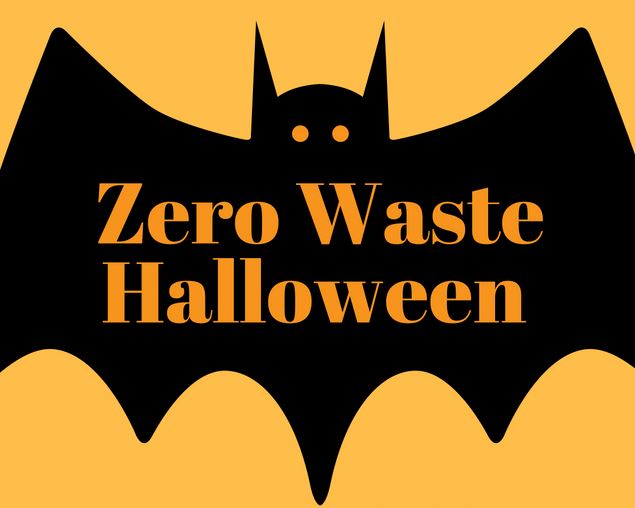
Going Green this Halloween
Guest News Contributor Recycle IT. Seasonal Festive Halloween is an annual event celebrated each year on October 31, and this year Halloween occurs on Thursday, October 31. It is the day before All Saints’ Day and is also sometimes called All Hallows’... -
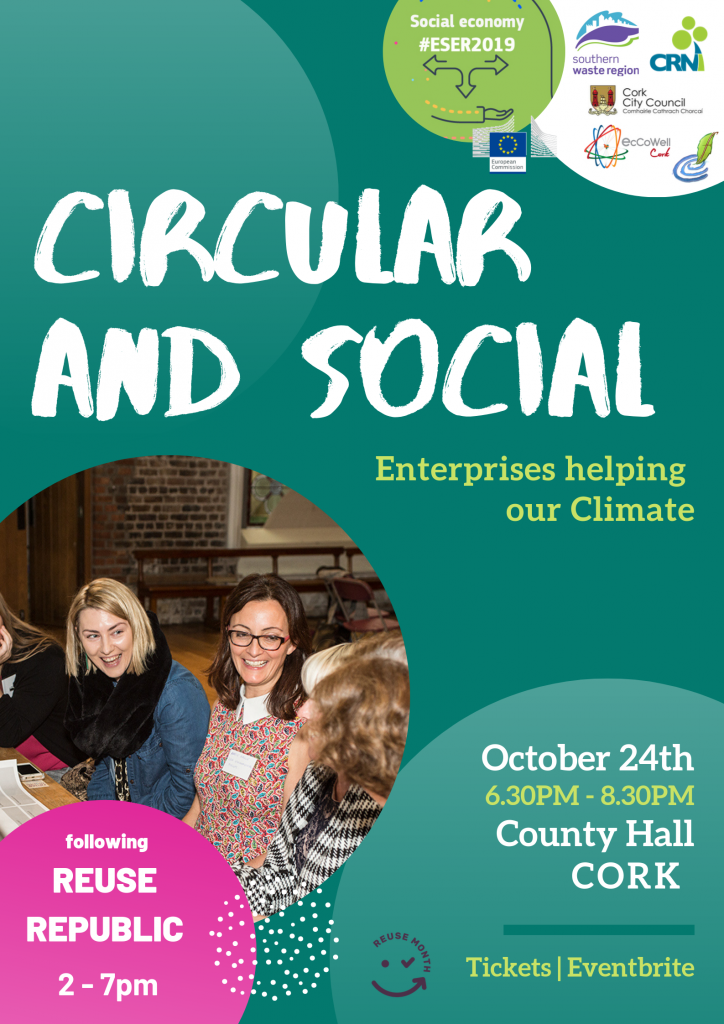
Circular and Social Enterprises Helping the Climate for National Reuse Month
Irish social enterprises working in reuse and recycling supported approximately 690 jobs and over 1600 trainees in Ireland last year, saving 220,000 tonnes of greenhouse gas emissions. This underpins many of the United Nations Sustainable Development Goals (SDGs) and will... -
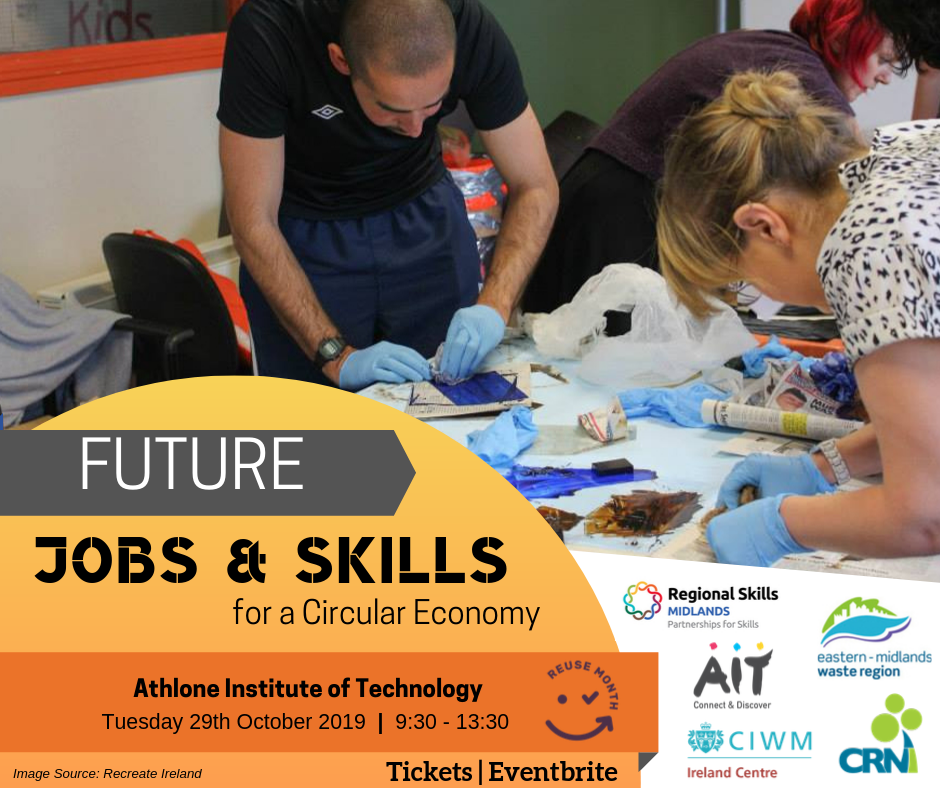
Ireland Lacks the Skills and Jobs Required to Transition to a Circular Economy
Irish professionals will need to re-tool and upskill to meet the demands of Ireland’s transition to a more carbon-efficient and Circular Economy. A circular economy will require a range of skills including trade and craft skills, such as upholstery, cabinet... -
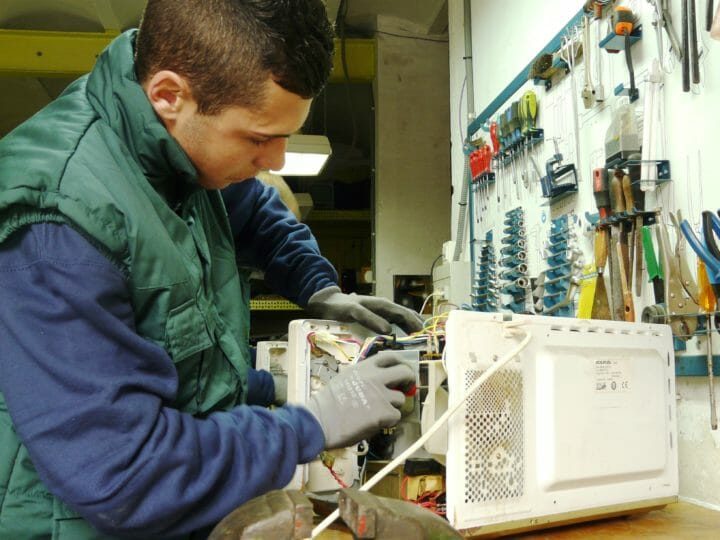
Right to Repair – Ecodesign Legislation
The European Commission’s Ecodesign regulations were published on 1 October 2019. These regulations will boost repair for products such as refrigerators, washing machines, dishwashers and televisions by requiring that they are longer lasting and more repairable, and that spare parts... -

Yulefest Kilkenny is putting sustainability at the forefront of the festivities this year.
SOURCE: Lovin.ie Together with social enterprise ReCreate Ireland and four-time Oscar-nominated Kilkenny-based animation company Cartoon Saloon, they’ll transform selected shopfronts in Kilkenny into magical storyboards all through the use of recycled material. ReCreate Ireland will curate the creation of shop... -
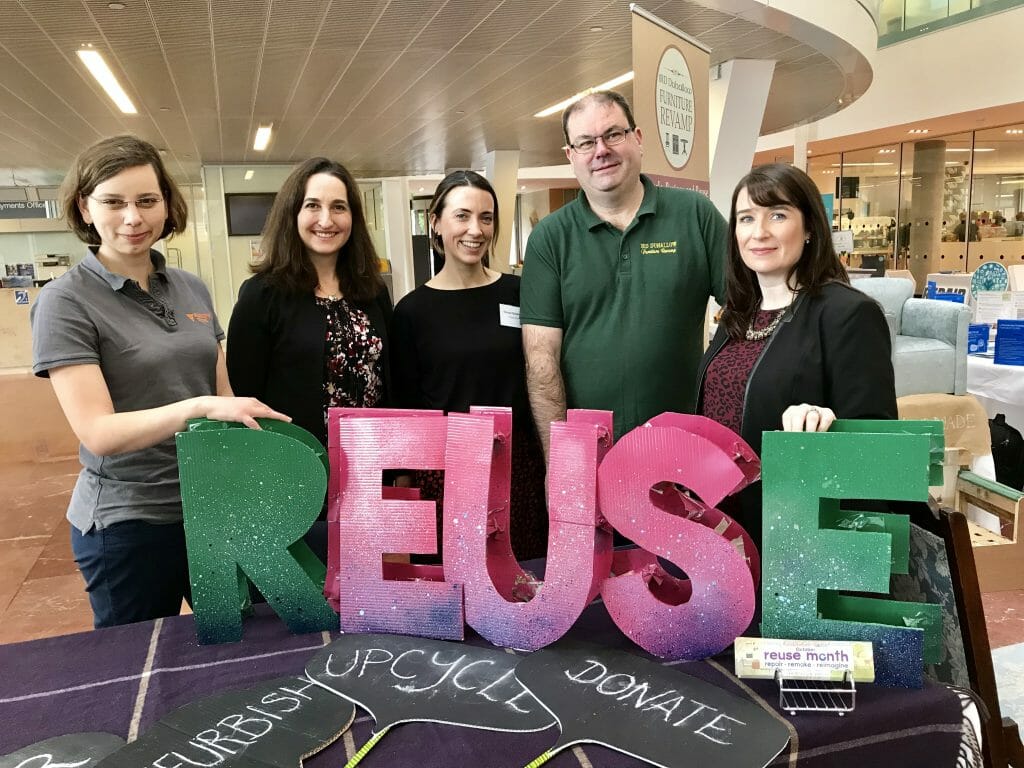
Retool for Climate Action this National Reuse Month
National Reuse Month is taking place 1 – 31 October and presents opportunities for everyone throughout the country to learn new repair and reuse skills to help the environment. Prevention, reuse and repair are all ways to extend the lifespan... -

Sustainable Fashion Takes Off
We are delighted to announce the first exciting event as part of our Reuse Month Event Series in October. Sustainable fashion takes off at Sligo Airport Terminal on Saturday 12th October with The Style Sessions – featuring a ‘best pre-loved... -

Embrace your inner Fashionista @ Charity Shops
Charity shops featured in the news today with RTE following a Sustainable Fashion Dublin charity shop crawl. Ireland throws away 225,000 tonnes of clothes each year. These two women want to help you embrace your inner fashionista in a sustainable... -
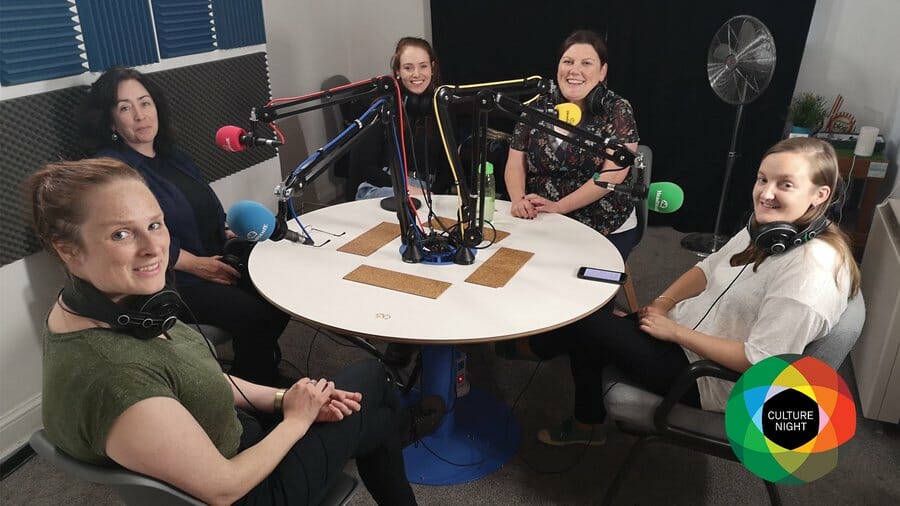
Podcast – ReCreate & Sustainability in the Arts
This podcast is part of a Culture Night podcast series exploring sustainability in the arts and featuring Clodagh O’Reilly from ReCreate. Also great to see Native events who run sustainable events featured here. Listen here: http://culturenight.ie/podcast -
Recycle IT is the Junior Chamber International Friendly Business Award Winner 2019
JCI National President, Keira Keogh and JCI Dublin President Patrycja Jurkowska hosted the Annual JCI Dublin Awards Ceremony in the Mansion House, Dublin on the evening of August 28th, 2019. Recycle IT, a not for profit, social enterprise operating in... -
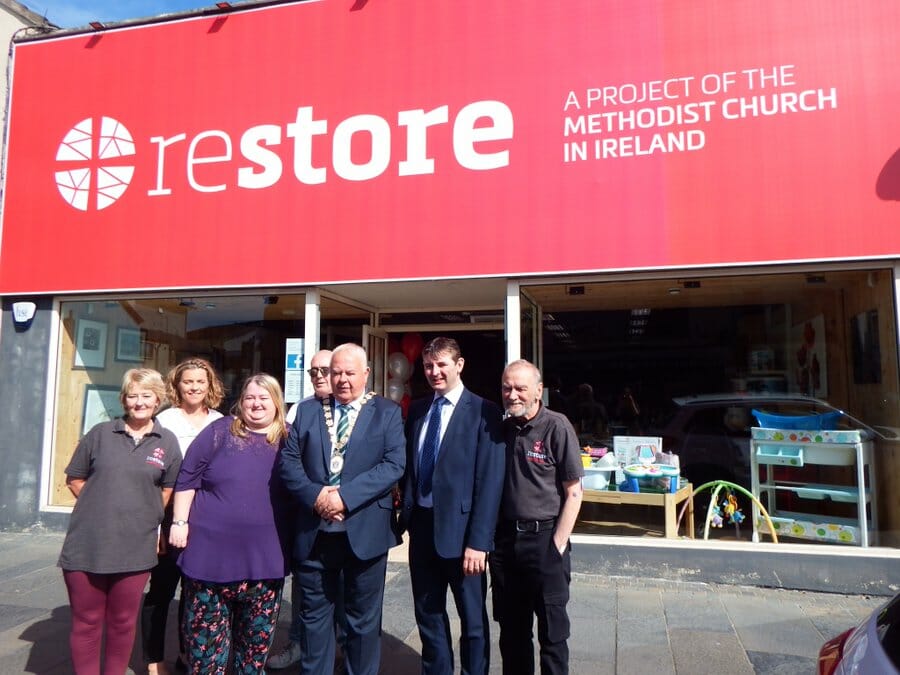
New store opens for East Beflast Mission
New outlets for second hand goods are always good news as they moves us one step closer to a more Circular Economy. We are therefore delighted to see CRNI member East Belfast Mission has opened a new Restore in Newtownards.... -
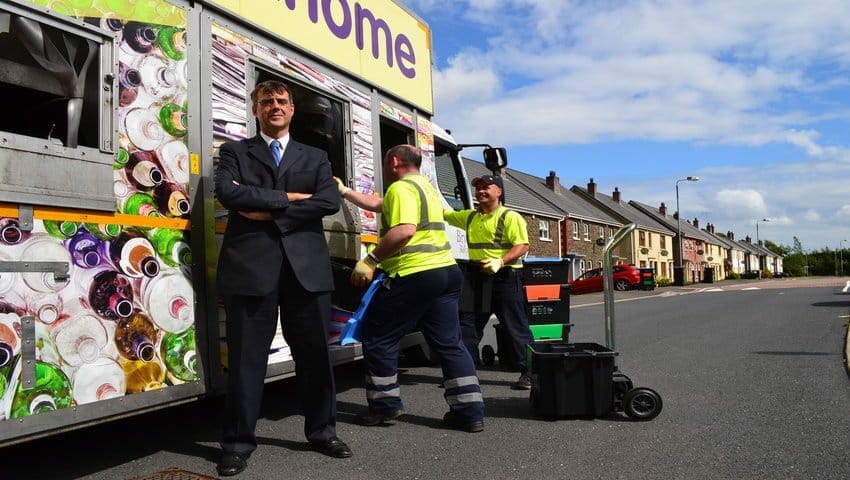
Bryson Urge Councils to Adopt Wheelie Boxes as DAERA Announces £23M Recycling Fund
Guest News Contributor Bryson Recycling Local social enterprise, Bryson Recycling are urging Councils in Northern Ireland to introduce a Wheelie Box service after the Department of Agriculture, Environment and Rural Affairs (DAERA) announced their Household Waste Recycling Collaborative Change Programme... -

3 ways to change the (fashion) world – #1 What can you do?
Guest news contributor, Linda Ward, Principal of Retail Renewal and Secretary of the Irish Charity Shops Association Climate change isn’t your fault. Perhaps not; but what can you do as an individual to reduce it and will it make any difference? You could... -
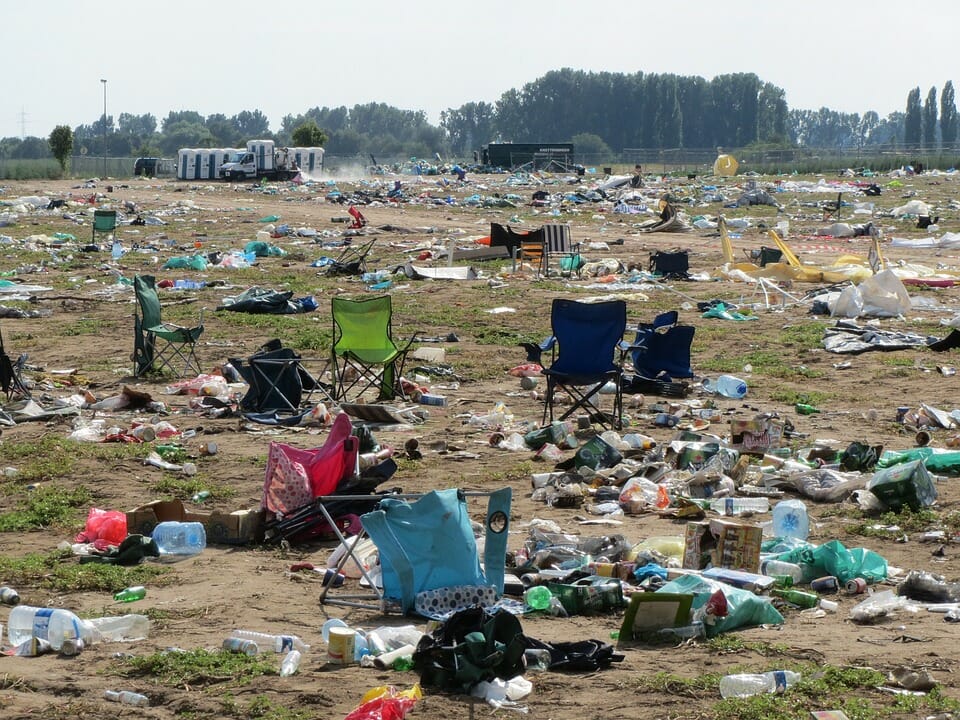
Reusapalooza!
Guest news contributor FreeTrade Ireland. More and more festivals are popping up each summer, and at each festival there are piles of rubbish generated, a lot of which is very reusable! Like tents! The amount of tents being left behind... -
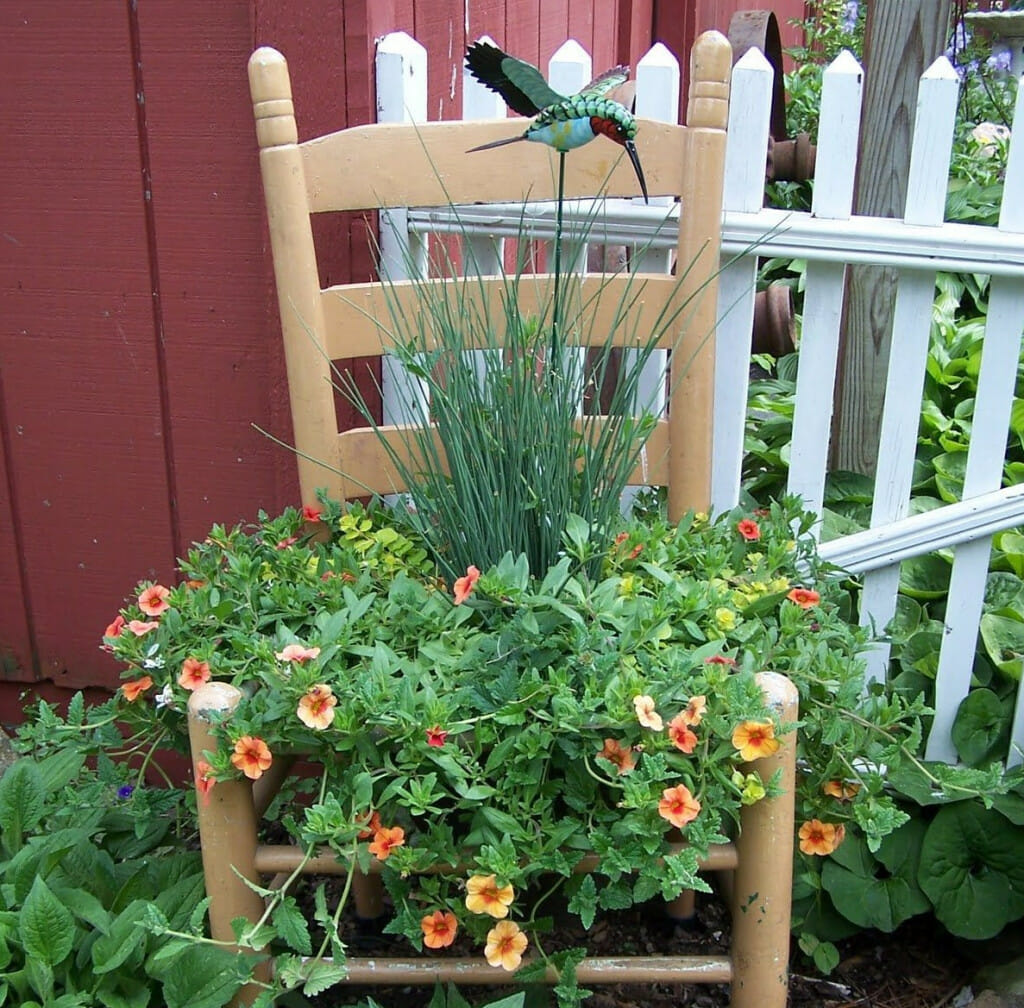
42 Summer Tips – Reduce, Reuse & Recycle
Guest news contributor, John McEntee, Business Manager, Recycle IT Summer Tips! – Mixed of old and new! For generations in Ireland and across Europe thrift was one of the main reasons for reuse. In the developing world, it’s still the case and... -
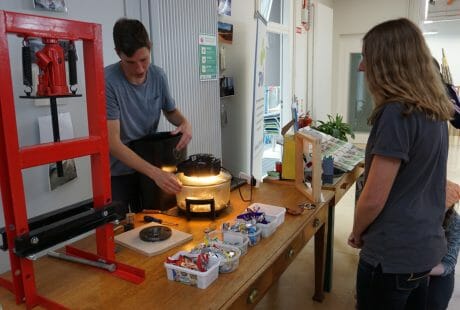
MA Product Design – Design for the Circular Economy – Research Scholarship
National College of Art and Design (NCAD) have announce a research scholarship focused on Design for the Circular Economy as part of its new MA Product Design programme. This €10,000 scholarship, which is funded by the Eastern Midlands Waste Region and... -
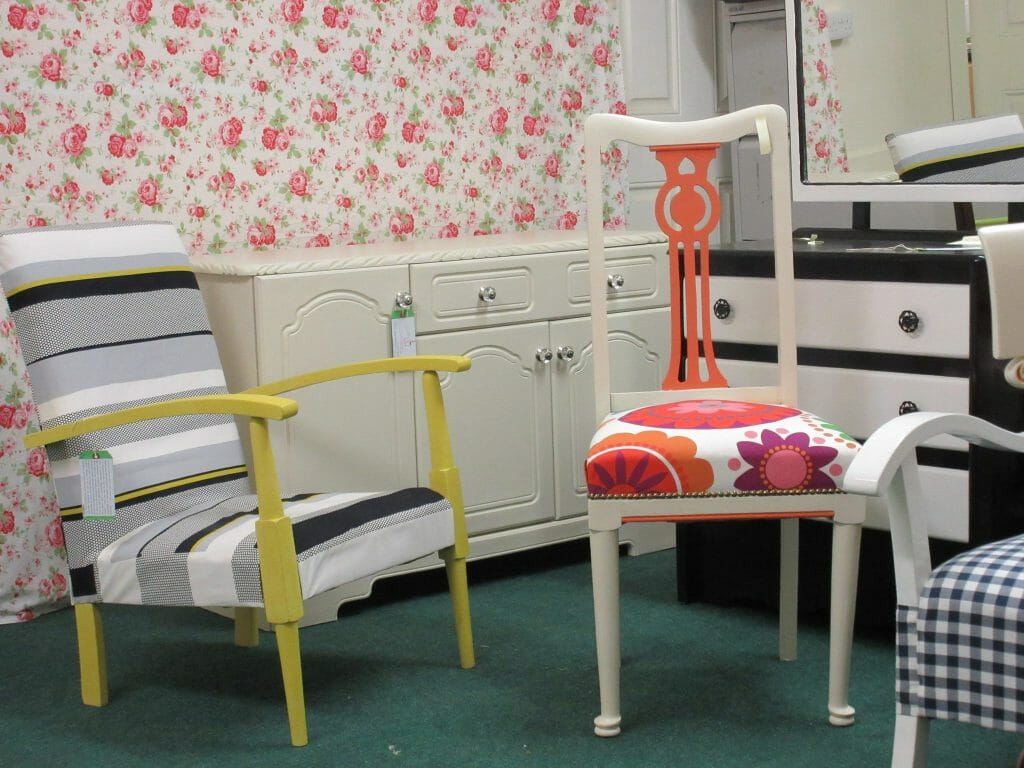
CRNI Summer Newsletter
For all the latest news on reuse in the Climate Action Plan, Ireland’s flagship green & social public procurement project, our members’ achievements, new member Deaf Enterprises, the first Circular Economy Academy, green festivals, as well as policy, publications and... -

Five things you need to know about the fashion industry
Guest news contributor, Linda Ward, Principal of Retail Renewal and Secretary of the Irish Charity Shops Association The latest talking point in the fashion media is sustainable fashion. It seems that everyone is interested in helping the environment having watched... -
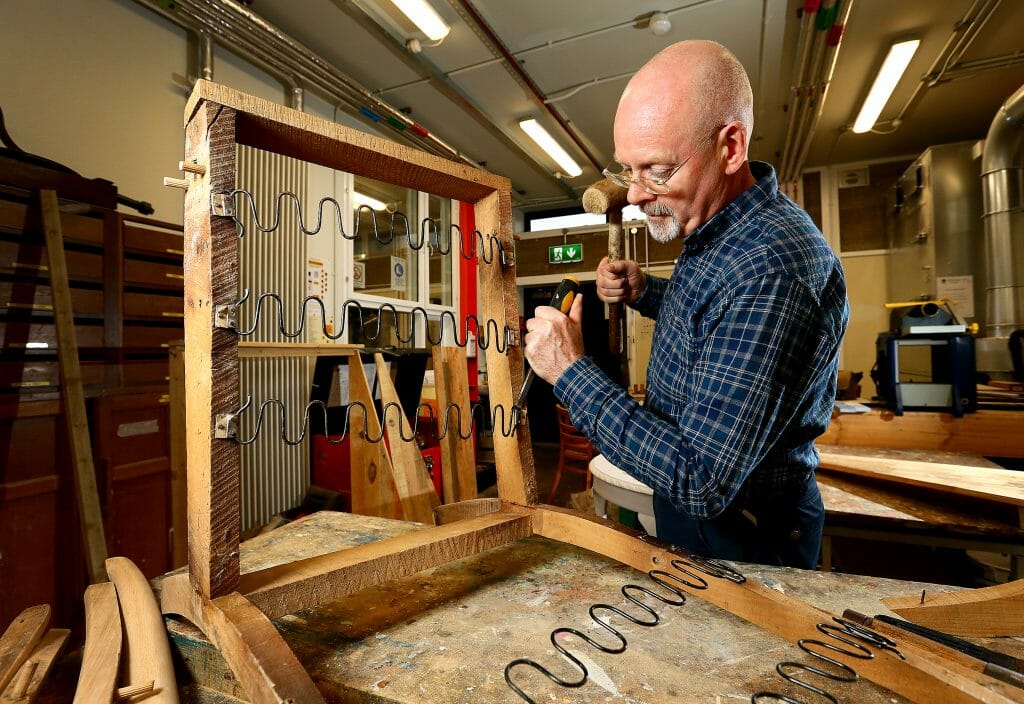
The Rediscovery Centre launches Ireland’s Circular Economy Academy
The Rediscovery Centre, the National Centre for the circular Economy, has launched Ireland’s first Circular Economy Academy. The Academy’s first phase is a nationwide support service to assist social enterprises to develop successful businesses using circular economy models. The circular... -
How to Take Climate Action through Repair, Reuse and Recycling: Tips for individuals, communities, businesses and the public sector
PRESS RELEASE 19 June 2019 Now that the Government’s Climate Action Plan has been released, many in Ireland are wondering what they can do to take climate action. One area often overlooked is reducing our consumption of goods. Recent studies... -
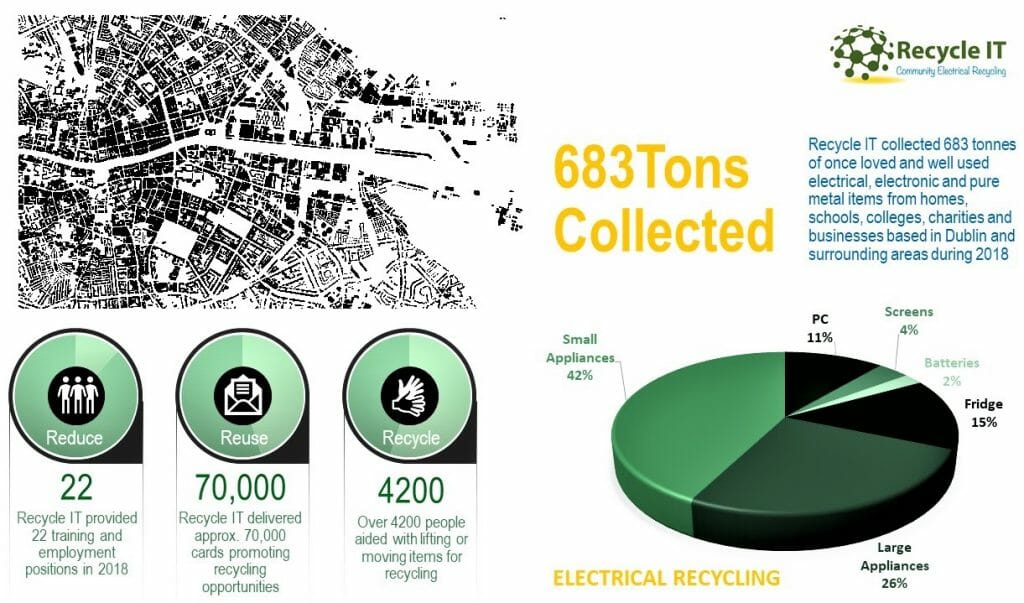
Over 320 truckloads recycled at RecycleIT
Tonnes of waste electrical appliances and office equipment recycled yearly in Dublin by Recycle IT In 2018 more items than ever before were recycled with Recycle IT. Over 683 tonnes of waste items were collected or dropped off for recycling... -
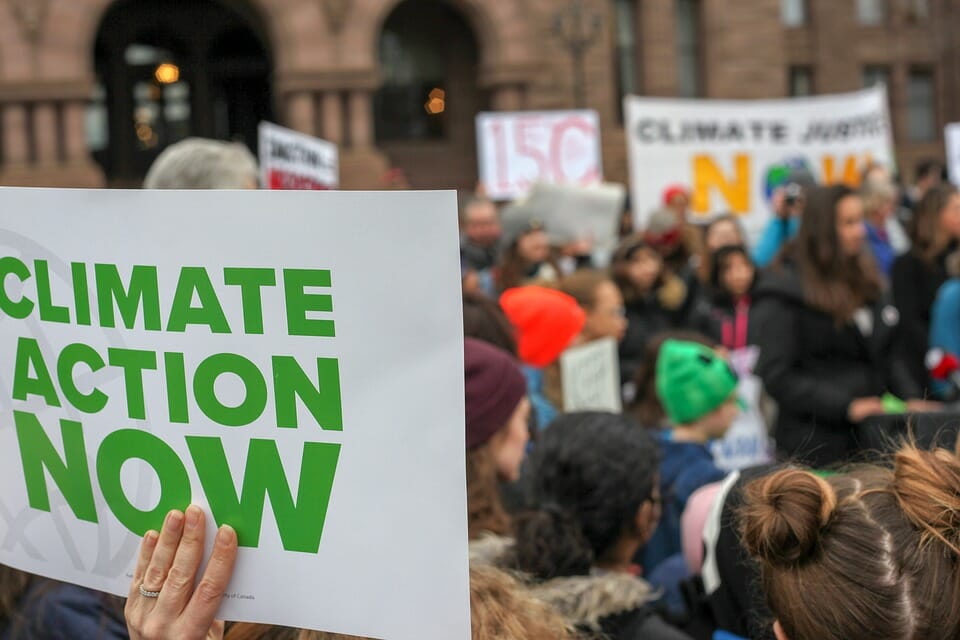
CRNI Urges Climate Action through Repair, Reuse and Recycling
The calls for urgent climate action were heard loud and clear during the election. As the Government draws up its All of Government Plan on Climate Disruption, now is the time for Ireland to act to reduce the climate impact... -

Camara on a mission to close the digital divide
Camara Education is embarking on its third, and largest, agreement with the Ethiopian Ministry of Education. Zambia and Kenya are among the other African countries where it has a presence. Camara, an Irish charity, is one such non-governmental organisation whose mission... -
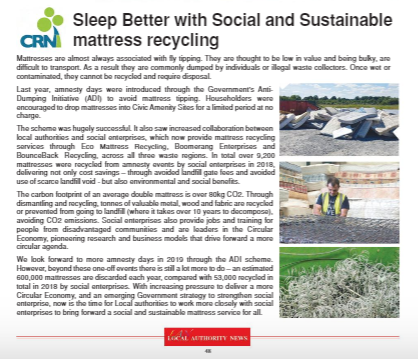
Sleep better with Social & Sustainable Mattress Recycling
CRNI is calling on Local Authorities to support social and sustainable mattress recycling this year, both during mattress amnesty days and ongoing contracts. More information on mattresses and the ADI scheme is included in the article on page 66 of... -
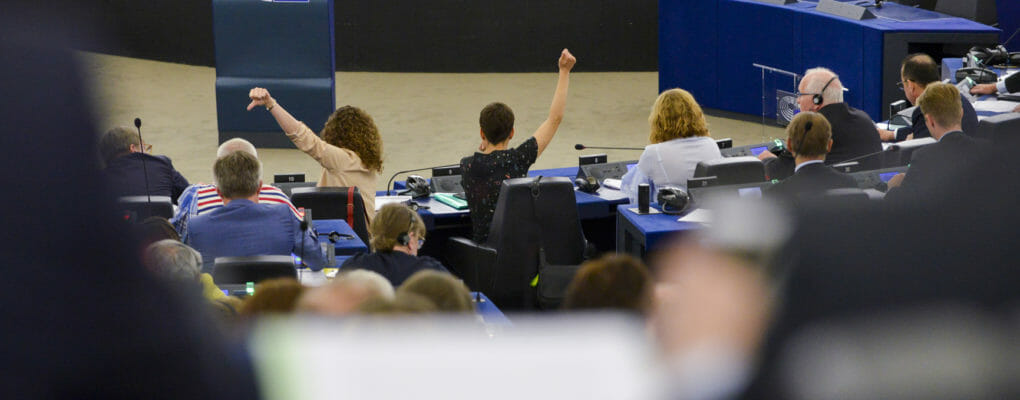
CRNI Spring Newsletter
For all the latest news on putting second hand first through the upcoming elections, Ireland’s newest quality mark, exciting growth news from our members, as well as policy, publications and best practice updates see our Spring Newsletter here! -

Dormant Accounts Funding
CRNI welcomes the news that our member Recycle IT, a community electrical recycling organisation based in Dublin, has been allocated approximately €40,000 to help fund a new electrical recycling collection vehicle. This funding was allocated through the Dormant Accounts Fund managed... -
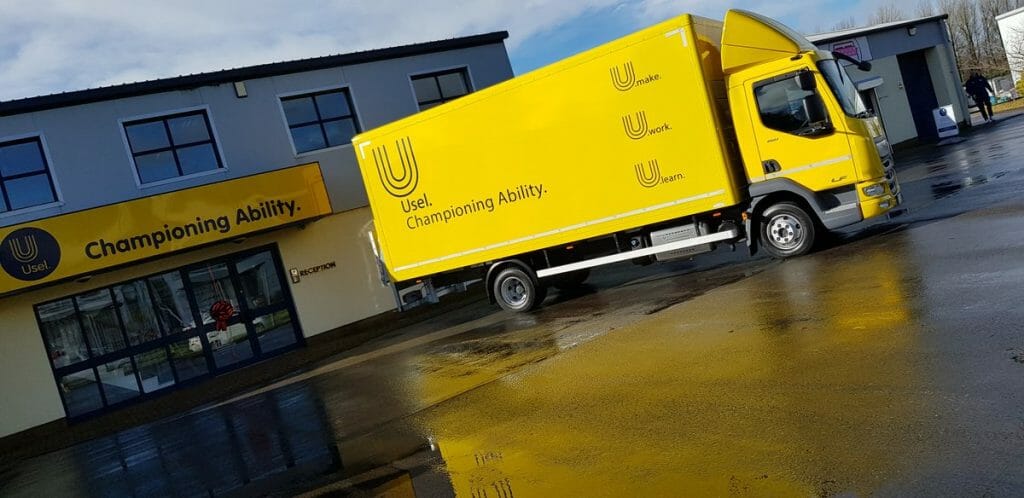
Usel’s new recycling centre to create 50 new jobs
Fifty new jobs are being created in a new recycling centre in Ballymena by a leading social enterprise that finds work for people with disabilities and long term health conditions. CRNI member Ulster Supported Employment Ltd (Usel) has opened new... -
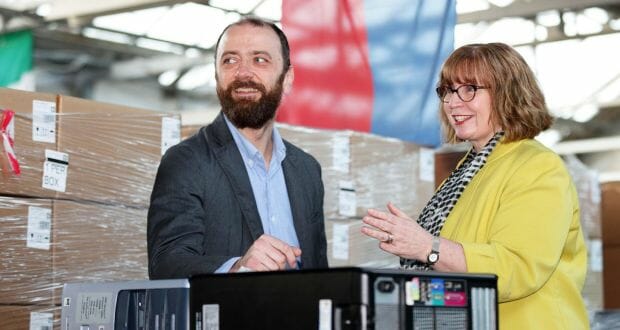
Camara Education partnership with AMI to help disadvantaged students
IT recycling firm AMI is joining forces with CRNI member and charity Camara Education to help refurbish second-hand computers for disadvantaged students in Ireland and Africa. Camara Education, which has long campaigned to put technology in the hands of schoolchildren... -
CRNI Annual Report
Last year saw CRNI increase its reach through a number of major events and campaigns, including our biennial conference, showcase of social enterprises with the EU’s DG GROW and Eastern Midlands Waste Region and coordination of reuse month on behalf... -
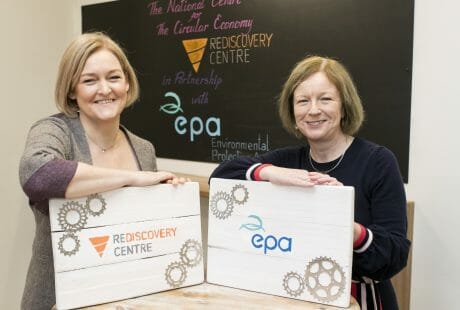
Three-year strategic partnership with EPA
The EPA and CRNI member the Rediscovery Centre, the National Centre for the Circular Economy, have launched a three strategic partnership. The partnership will support the development of a circular economy in Ireland. Dr. Sarah Miller, Chief Executive Officer of the... -
Repair, Reuse, Recycle: Four Ways to Go Green for 2019
CRNI was covered in the Independent Weekly Magazine on 5th January 2019. For the full article, click here. Under the heading “Greener Consumption” the article read: The circular economy is the latest buzzword in relation to sustainability and it means a... -

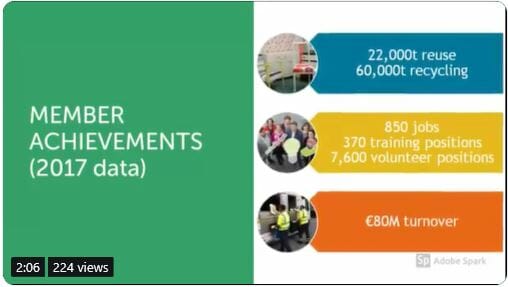
CRNI 2018 Member Achievements
https://crni.ie/content/uploads/2018/12/CRNI-2018-Member-Achievements.mp4 CRNI is delighted to share the 2018 achievements of our members! Usel Sustainable Ireland Award: Circular Economy / Leadership in Market Development for Recycled/Recovered Material Social Impact Award – Social Enterprise Northern Ireland Business in the Community Northern Ireland... -
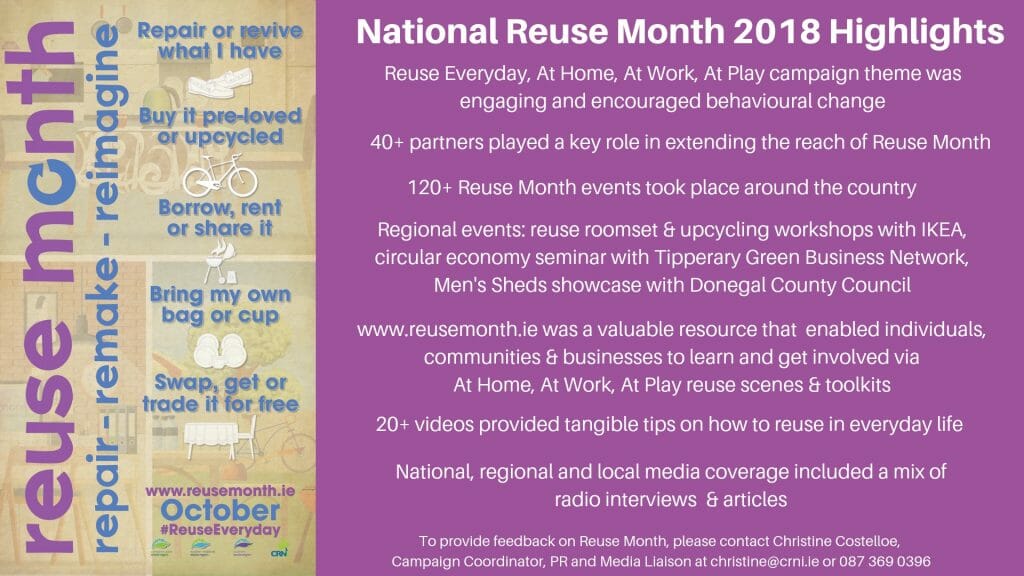
National Reuse Month Highlights
CRNI was pleased with the results of 2018 National Reuse Month, an initiative of the three Regional Waste Management offices, that CRNI was responsible for coordinating. The purpose of National Reuse Month 2018 was to engage with individual citizens and... -
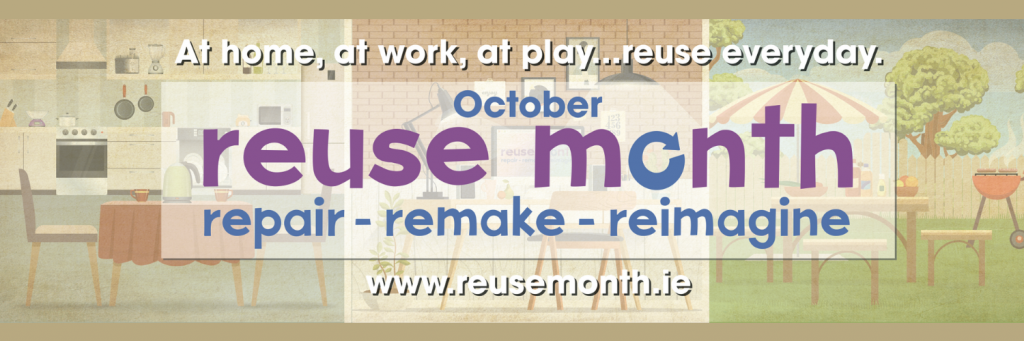
Reuse Month begins
It begins today…National Reuse Month! What can you do to #ReuseEveryday At Home, At Work, At Play? Check out http://reusemonth.ie for more details and to see Rosemary Mac Cabe show how easy it is to reuse in the Reuse Month 2018 video. -
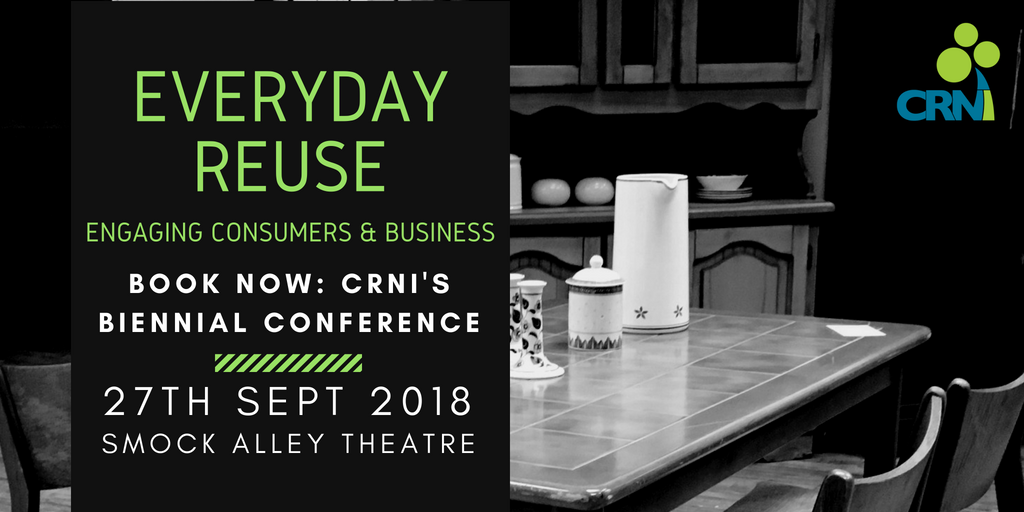
CRNI Conference Programme
Have you registered yet for our biennial conference on the 27th September at Smock Alley Theatre? With speakers from across retail, authorities and research institutes, including Eamon Ryan TD, the EPA, Oxfam, IKEA, Distilled SCH (Adverts & DoneDeal), Hubbub, Zero... -
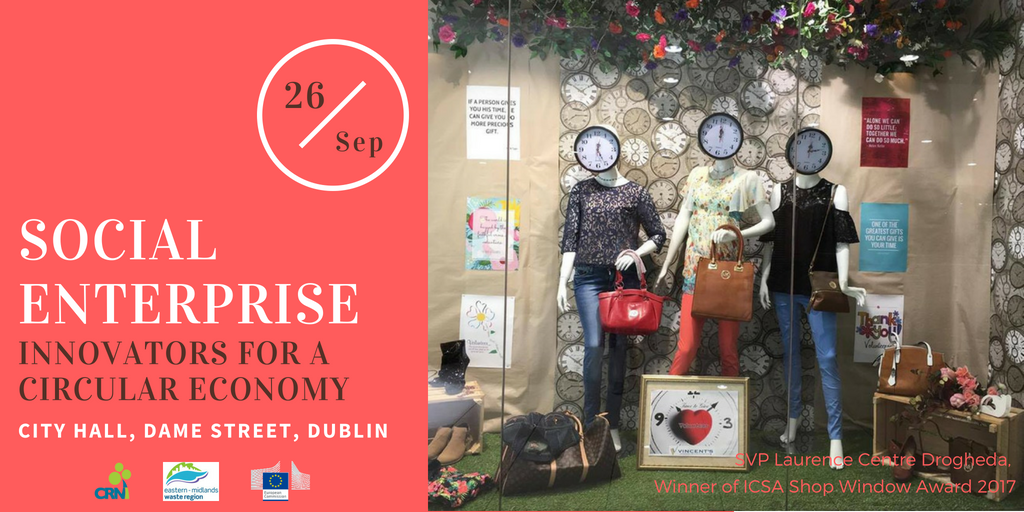
Social enterprise: innovators in the Circular Economy
CRNI and the Eastern Midlands Waste Region are delighted to invite you to attend Social Enterprise: Innovators for a Circular Economy, an evening reception highlighting the important role of social enterprise in driving the Circular Economy agenda. This event, part of an... -

Member Award Nominations
Congratulations to our members recently awarded or nominated for awards, including: ReCreate on their Social Enterprise Development Fund Accelerator Programme award. SMILE, nominated as Irish representatives to the European Business Awards for the Environment RecycleIT, shortlisted for the “Excellence in CSR by... -
Reuse Month 2018
On behalf of the Regional Waste Offices, CRNI is delighted to announce it is coordinating the delivery of the national reuse month campaign this year. The theme “Everyday Reuse” was inspired by our members’ feedback on the need to define and... -
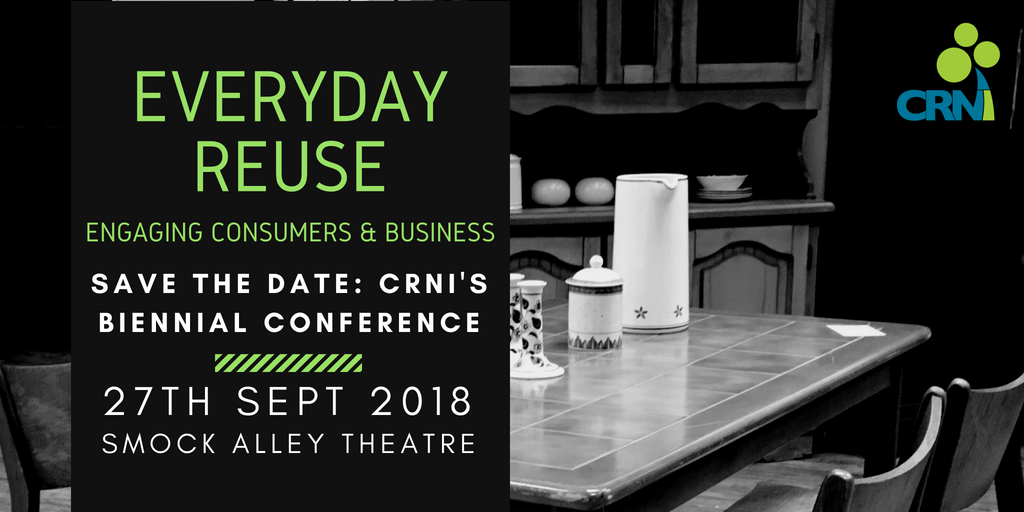
Book Now – CRNI Biennial Conference
We are delighted to announce our Biennial Conference will take place on the 27th September at the Smock Alley Theatre in Dublin. Reuse remains a marginal activity in Ireland, diverting less than 5% of all the waste we handle. With speakers... -
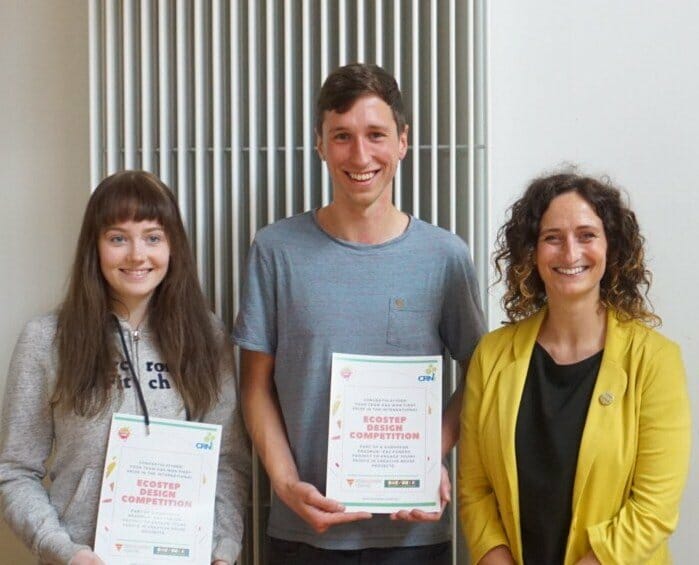
Irish Team wins International Design Competition
An Irish team of young upcyclers has won the international design competition held under the ECOStep youth project (see here). Competing against three other countries in Europe and Africa, the team put together an outdoor bench from old tyre tubes... -

Now hiring Communications Campaign Manager
CRNI is seeking a campaign coordinator, PR and Media liaison officer to help co-ordinate and promote a major nationwide campaign. This will involve engaging with key stakeholders, developing campaign themes, communication strategies and identifying and engaging with partners to organise... -
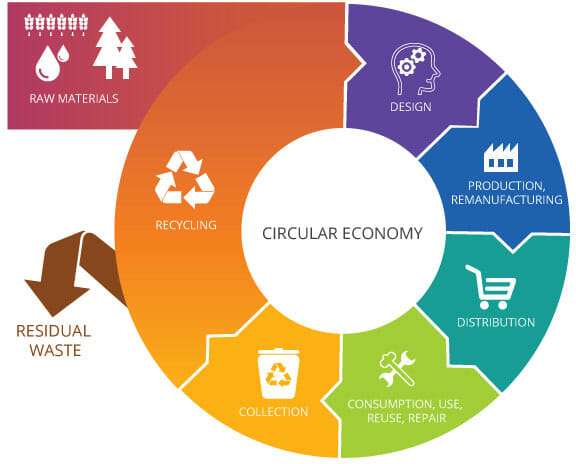
Reuse at the heart of Single Use Plastic Bans
With single use plastics continue to grab headlines, it would have been easy to miss new measures that were quietly introduced to support wider reuse and recycling, going to the very heart of the Circular Economy concept. The idea of... -
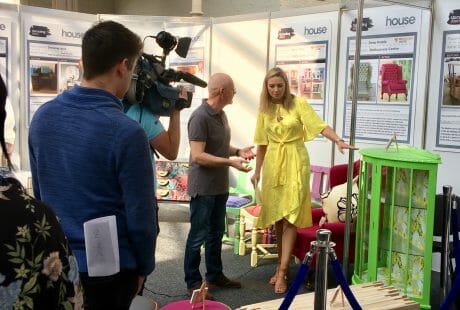
Rediscover Furniture & Paint in the news!
The Rediscovery Centre was featured on Ireland AM on Saturday the 26th of May. Gerard got to chat to the lovely Anna Daly about upcycling, the House exhibition and the Rediscovery Centre. If you missed it, you can catch the full... -

5-1-million-meals
FoodCloud has so far this year redistributed the equivalent of over 5.1 million meals to charities and community groups in Ireland and the UK using their technology platform and redistribution network. This means 13,492,713 kg of food has been saved... -
Now Hiring Project Manager
CRNI is recruiting for a project manager to undertake an EPA funded project to design a viable business model that will encourage State agencies to donate unwanted bulky items for reuse or community recycling. The contract duration will be 10... -
Spring Newsletter
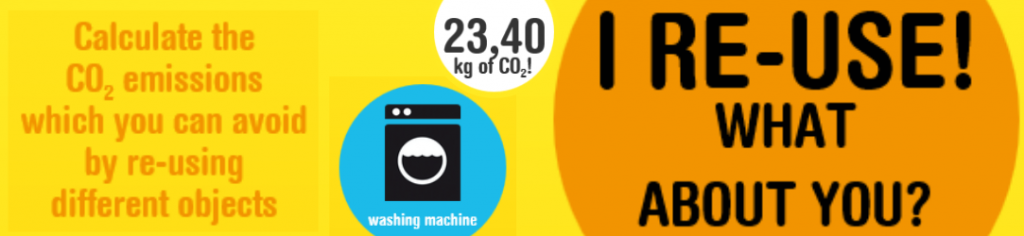
Our Spring Newsletter has just been issued, full of member updates, the latest policy and research on reuse, a fantastic new CO2 calculator for reuse, events, achievements and much more. Click here to enter. To subscribe to our quarterly newsletter... -
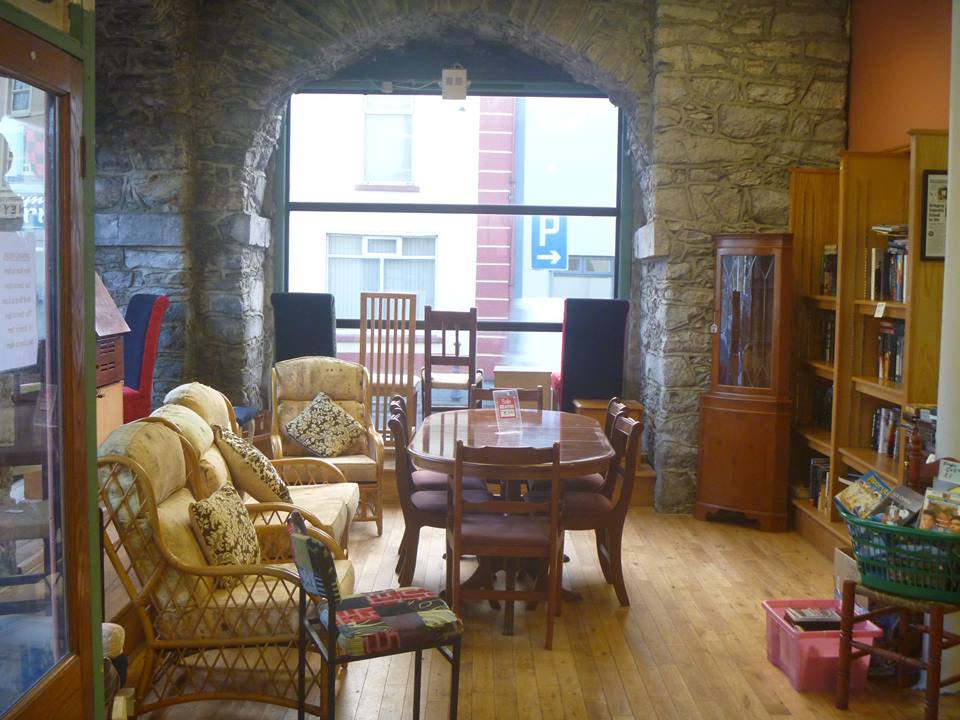
Kingdom Furniture Revamp – Sales Triple
In January, Kingdom Furniture Revamp opened their first main street retail store in an iconic market building dating back to 1747 in CastleIsland, Co Kerry. Eugene Glover, Manager of the project under NEWKD, says sales have tripled since the move... -

SMILE Offering New Service Combination
SMILE Resource Exchange is Ireland’s national industrial symbiosis programme providing a platform for organisations to identify synergies whereby an unwanted resource (waste) in one organisation can be utilised as a resource in another. The service has evolved over the past... -
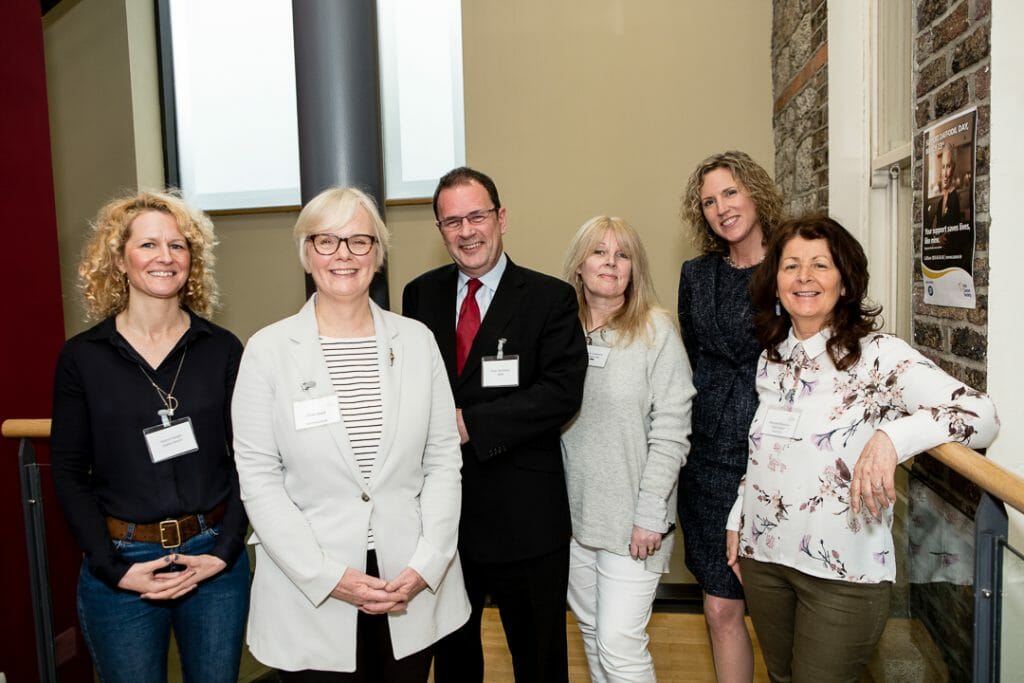
Re.Mark project shows high potential for reuse quality standard
Left to right: Sharon Keogh, Dublin Simon Community, Linda Ward, CRNI Board Member and ICSA Secretary, Ruairi McGinley, NCBI, Denise Cruickshank, Women’s Aid, Maureen O’Donnell, CRNI, and Mairead Mannion, Clarehaven Horizons. CRNI’s Re.Mark project was established in 2017 to address consumer concerns regarding... -
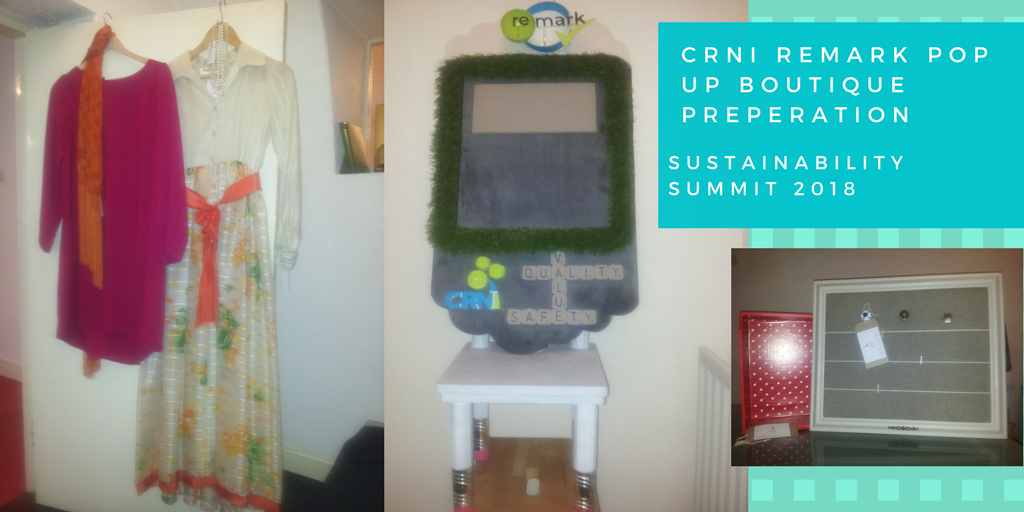
Sustainability Summit
Visit our Re.Mark Pop Up boutique at the Sustainability Summit 2018 at City West Hotel, Dublin. Our stand will be transformed into a Re.Mark Pop Up Boutique where will showcase the amazing quality Reuse products from Re.Mark pilot members from... -
Winter Newsletter
Our Winter newsletter is now out – visit here for updates on our #reimaginechristmas campaign, latest research, newest members and international news on reuse. -
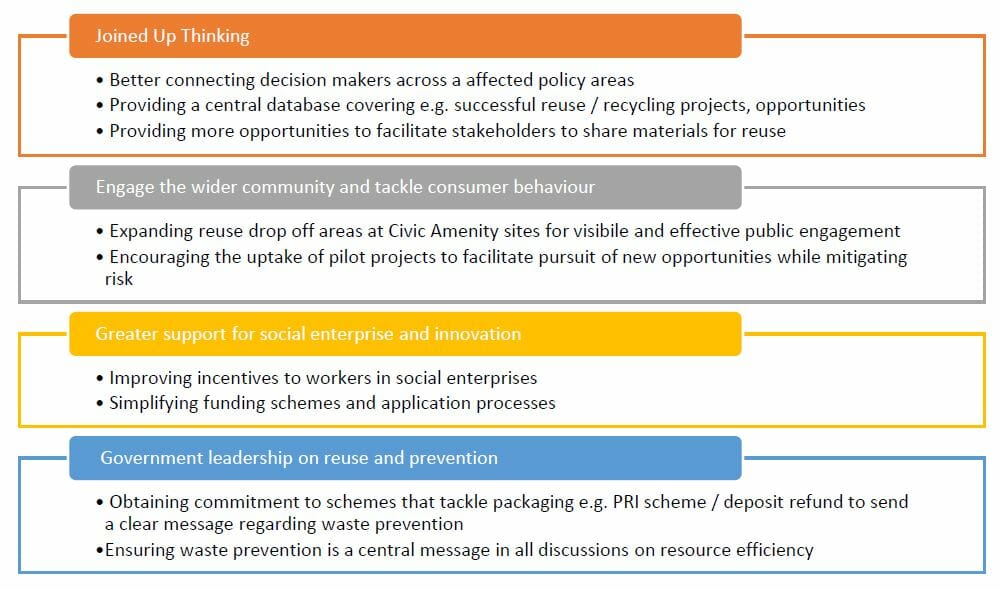
Community Reuse & Recycling Enterprise Development Seminar – Southern Region
As part of Reuse Month October, CRNI with the support from the Southern Region Waste Office hosted a seminar on development opportunities in community reuse & recycling for the Southern Region. The interactive event was held at the Silver Springs Hotel... -
Autumn Newsletter
We have just published our Autumn Newsletter – which is jam packed with the latest news on community reuse and recycling with a particular focus on the upcoming Reuse Month October. For this and other information please follow the link... -
Reuse Month October
Reuse month is here! As part of Reuse Month October, CRNI is linking up with member facilities across the country to encourage policy makers, members of the community and community groups to visit their local reuse centre for a storytelling... -
Environment Ireland Conference 2017
We attended the Environment Ireland® Conference 2017 this week, Ireland’s major environmental policy and management conference. Organised in association with the Environmental Protection Agency (EPA) and the Department of Communications, Climate Action and Environment, the conference is now in its... -
Summer Newsletter
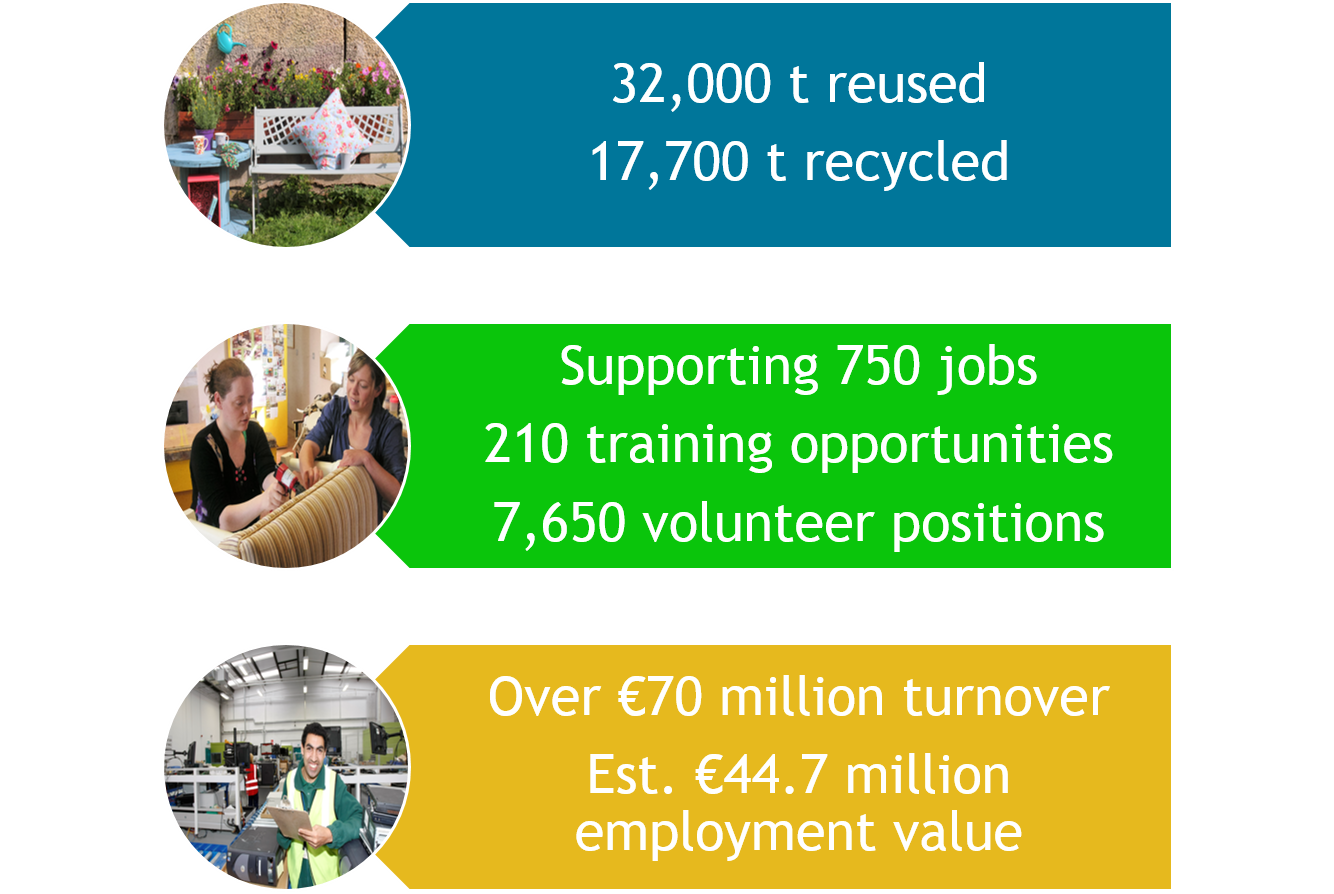
We have just published our summer newsletter with all the latest news on reuse from Ireland and across Europe. This includes data from our 2016 member survey, showing CRNI members reused an impressive 32,000 tonnes and recycled 17,700 tonnes. In doing so,... -
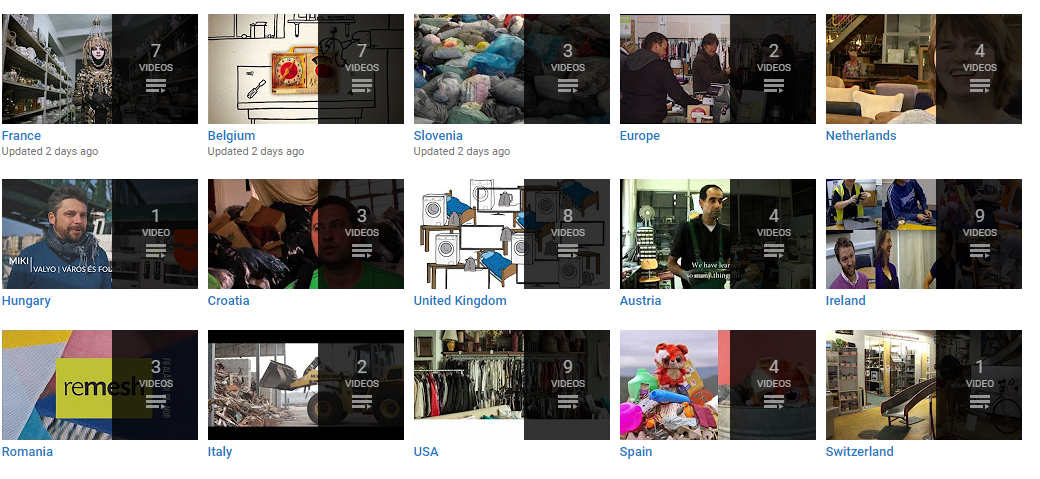
Reuse videos from around the EU
Reuse stories from around the EU are now available from a single Youtube channel thanks to the RREUSE Network – check them out here. -
Quality Mark project kicks off
CRNI is delighted to announce that its long-awaited Quality Mark project has commenced, with Project Manager Maureen O’Donnell at the helm. This project is a feasibility study, to examine the potential value of a reuse quality mark for Ireland/Northern Ireland,... -
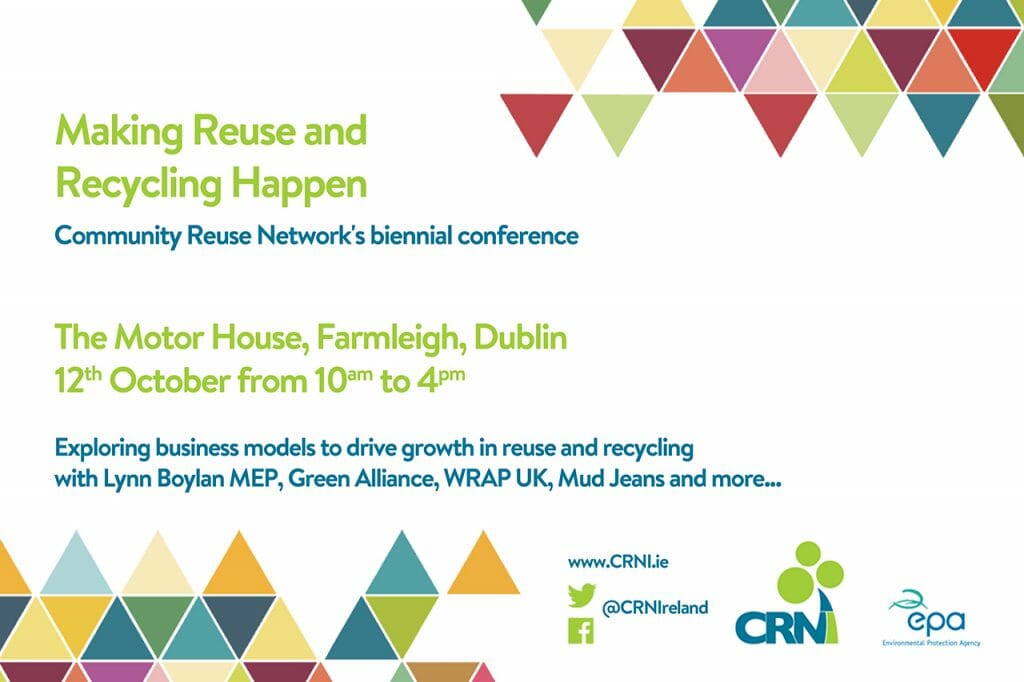
Update on the CRNI conference October 2016
The biennial CRNI conference took place in Farmleigh on 12th October, with excellent attendance from our members, many of our stakeholders and a number of people from academia, NGOs and businesses alike. The theme “Making Reuse & Recycling Happen” translated... -
Reuse Month October Calendar
Please see here for a compiled list of events for reuse month across the country. -
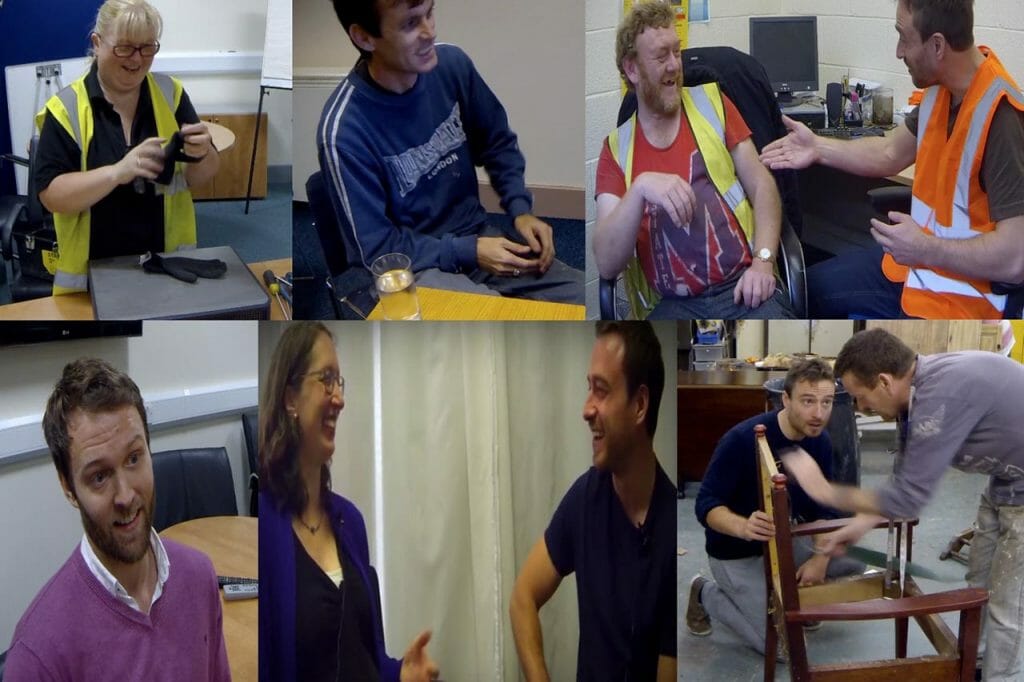
CRNI Video Inclusive Communities at Work
We are delighted to share this special new video, compiled for our 2016 conference by The Journeyer. The video explores the stories of three people working with our members the impact that this work has had on their lives, and... -
CRNI Conference Programme now booking
We are excited to announce the programme for our upcoming conference titled Making Reuse and Recycling Happen on the 12th October. To book tickets for this event, please visit the Eventbrite page here. CRNI Conference Programme – Final -
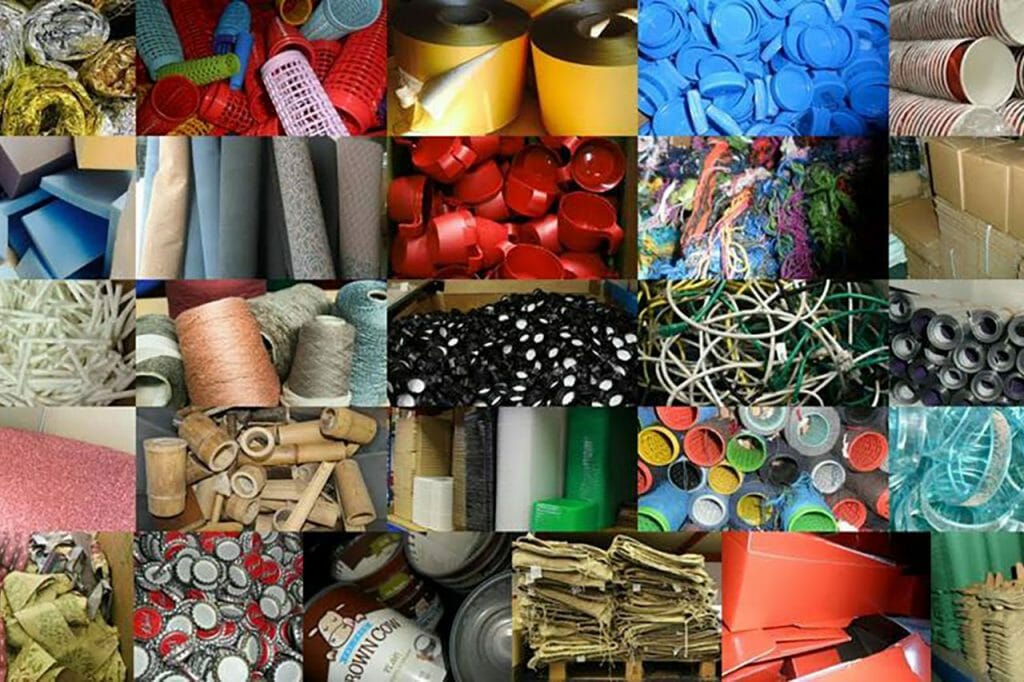
CRNI publishes case studies for reuse
As part of Reuse Month October, CRNI has prepared two case studies illustrating how businesses can engage in reuse. These demonstrate the different types of materials that businesses can reuse or procure, and how this can save money, reduce waste,...
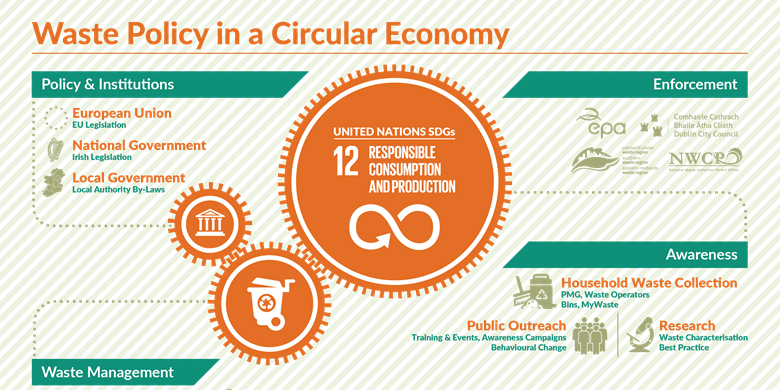
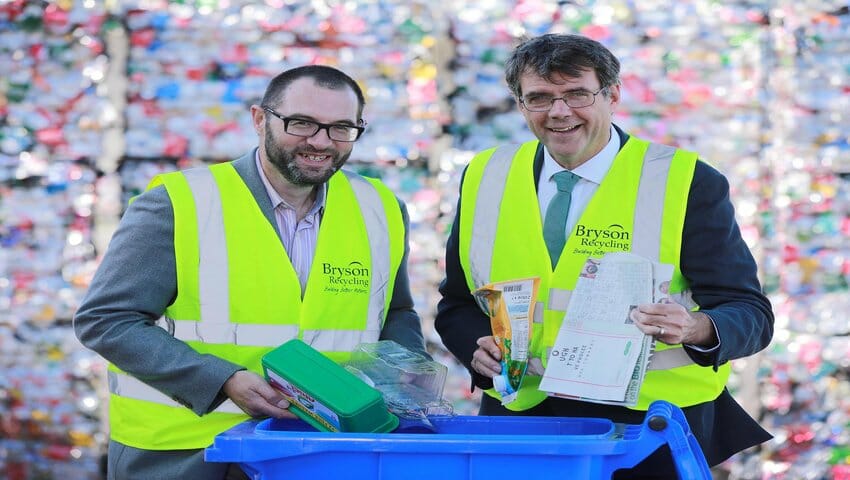
Sign up to our quarterly newsletter for more information on reuse and recycling and be part of Ireland’s only reuse and recycling network. For information about our privacy practices, see here.


CRNI is the all island representative body for community based reuse, recycling and waste prevention organisations. We are funded by the EPA under the National Waste Prevention Programme and through membership contributions. CRNI is a proud member of the European RREUSE network.
Company Limited by Guarantee. Registered in Ireland No. 493039
Registered Charity No. 20077259
CHY No.19637
Latest Posts
- Repair in Practice: Shared Challenges & Shared Solutions. An Online Peer Learning Series May 27, 2026
- Upcoming Events Reuse & Repair Week 2026 May 19, 2026
- CRNI welcomes the publication of the National Policy Statement and Roadmap on Circular Textiles April 2, 2026
- Community Resources Network Ireland (CRNI) is delighted to announce the appointment of Dr Clodagh O’Reilly as its new Chairperson March 26, 2026
Useful links
Contact Us
Community Resources Network CLG
Registered office:
The Tara Building11-15 Tara Street
Dublin 2
D02 RY83
Phone: +353 87 173 5184
Email: [email protected]
© Community Resources Network Ireland. All Rights Reserved.